Countries with nomad visas

Updated:
 Sarah KuhlemannCommunity manager
This guide compares digital nomad visas and remote-work routes in 40 countries: income requirements, fees, length and what each one demands from your health insurance. Every figure is checked against official government sources and the linked country guides.
All figures verified November 2026. Requirements change, so this page is rechecked regularly and links to the full country guide where one exists. Genki can't guarantee that a policy meets a specific visa's insurance requirements, so always confirm with the consulate or immigration office. Genki Native is a separate sign-up, available up to age 55 and subject to health questions.
Jump to a country
🇪🇺 Europe: Bulgaria · Croatia · Cyprus · Estonia · Georgia · Greece · Hungary · Italy · Malta · Montenegro · Portugal · Romania · Slovenia · Spain
🌏 Asia: India · Indonesia · Japan · Malaysia · Philippines · South Korea · Sri Lanka · Taiwan · Thailand · UAE
🌎 America: Argentina · Barbados · Belize · Brazil · Chile · Colombia · Costa Rica · Ecuador · Guatemala · Mexico · Panama · Peru · Uruguay
🌍 Africa: Mauritius · Namibia · South Africa
🧭 Which visa fits you?
- Lowest income requirements: Colombia, Ecuador and Brazil all sit around €1,300 to €1,400 per month, and Brazil accepts US$18,000 in savings instead of income. For nomads under 30, Taiwan asks just US$20,000 per year.
- No income threshold: Georgia, Argentina and Uruguay ask for no income figure at all, and Thailand's DTV asks for 500,000 THB in funds instead of a salary.
- Longest runway: Indonesia (up to 6 years with extensions), Thailand (5 years), Spain (up to 5 on the permit track), Ecuador (2 years renewable to 4), South Korea (3 years).
- Open to every nationality: Ecuador, with Brazil and Costa Rica close behind.
- Fastest to permanent residency or citizenship: Ecuador allows a permanent residency application after just 21 months. And the big 2026 shift: Portugal raised citizenship from 5 to 10 years, so the famous "5 years to an EU passport" is over. For Latin American citizens, Spain is now the fastest EU passport at 2 years of residency.
- Lowest fees: Spain and Croatia stay under €100 in Europe, and Ecuador's $320 buys a full 2-year visa. Mauritius is free.
- Highest bars, biggest prizes: South Korea (about US$74,000 per year baseline), Japan (¥10,000,000 per year) and, surprisingly, Romania at about €5,400 per month, while most guides still quote €3,700 from years-old wage data. Belize is the outlier in the other direction: US$75,000 a year for a permit that lasts 6 months and can't be extended.
- Watch the net income trap: Cyprus, Estonia, Greece and Hungary all measure income after tax. Their thresholds are effectively 25 to 40% higher than they appear when compared with gross-income countries.
- Bringing family: Malaysia is the standout, even parents can join. Portugal includes family from the start. Hungary's White Card allows no family reunification at all.
- Zero or low tax: the UAE has no income tax, Croatia and Costa Rica exempt nomads outright, Romania charges nothing under 183 days, and Malta caps at a flat 10% after an exempt first year. South Korea just permanently relaunched its visa program with reduced income bars for under-35s settling outside Seoul; Taiwan extended its visa to 2 years; and the Philippines' visa is signed into law but not yet accepting applications.
One thing this page can’t settle for you: almost every country here has its own rules for when you become a tax resident, and the famous 183-day rule is less universal than the internet claims. The guide to how digital nomad taxes actually work covers the system, and the 183-day rule explained covers the myth.
🇪🇺 Europe
| Country | Length | Income per month | Fee | Open to |
|---|---|---|---|---|
| Bulgaria | 1 year, renewable to 2 | ~$2,950 (~€2,583) | ~$425 (~€370) | Non-EU citizens |
| Croatia | Up to 18 months | ~$4,150 (€3,622.50) | ~$100 (~€88) | Non-EU citizens |
| Cyprus | 1 year, renewable to 3 | ~$4,000 (€3,500 net) | ~$160 (€140) | Non-EU citizens (annual cap: 500 officially, 1,000 reported) |
| Estonia | 1 year | ~$5,150 (€4,500 net) | ~$140 (€120) | Non-EU citizens |
| Georgia | 365 days visa free | None | None | 95+ visa-free nationalities |
| Greece | 1 year visa + 2 year permit, renewable | ~$4,000 (€3,500 net) | ~$260 (€225) + ~$1,150 permit | Non-EU citizens |
| Hungary | 1 year, renewable to 2 | ~$3,450 (€3,000 net) | ~$70-125 (€60-110) | Non-EU citizens (no family reunification) |
| Italy | 1 year, renewable annually | ~$2,700 (€28,000/year) | ~$135 (€116) | Non-EU citizens, highly qualified |
| Malta | 1 year, renewable to 4 | ~$4,000 (€42,000/year) | ~$445 (€400) | Non-EU citizens |
| Montenegro | Up to 2 years, extendable once by up to 2 | Not published (proof of means) | Administrative fees, confirm with the Ministry of Interior | Remote workers for foreign employers or own foreign company |
| Portugal | 2 year permit, renewable (or 1 year temporary stay) | ~$4,250 (€3,680) | ~$330–400 (~€280–340 total) | Non-EU citizens |
| Romania | 12 months, renewable to 36 | ~€5,600–5,800/month (3x avg salary) | ~$275 (~€240 total) | Non-EU citizens |
| Slovenia | 1 year, not extendable | ~$3,800 (~€3,400) | Administrative fees, vary | Non-EU citizens |
| Spain | 3 year permit (or 1 year visa first), renewable to 5 | ~$3,275 (€2,849, 200% min. wage) | €73.26 (UGE); consular fee varies | Non-EU citizens |
🇧🇬 Bulgaria
- Length: 1 year, renewable once for up to 2 years in total. New in December 2025, one of Europe's freshest programs. It is a residence-only permit. There is no path to permanent settlement through this permit.
- Who can apply: Non-EU citizens who are employees of a company registered outside the EU, owners of (or 25%+ shareholders in) a foreign company, or freelancers serving foreign clients for at least 1 year. Working for Bulgarian clients is not allowed.
- Income requirement: At least €31,000 per year (about €2,583 per month), defined as 50x the Bulgarian minimum wage. [Official information: Migration Directorate of the Ministry of Interior, which handles the residence permit step and publishes the official fee tariffs. A dedicated English digital nomad page does not exist yet, the program is that new.]
- Fee: €100 for the Type D visa at the consulate (the official MFA rate), then about €260 for the 1-year residence permit plus a small ID card fee once in Bulgaria. Budget roughly €370 in government fees, and the permit fee again at renewal.
- Health insurance: Required for the entire stay, valid in Bulgaria and across the EU.
- Income tax: Bulgaria's flat 10% income tax is among Europe's lowest. Staying 183+ days per year generally makes you a Bulgarian tax resident.
 Bulgaria digital nomad visa 2026: requirements and how to applyBulgaria opened its digital nomad visa at the end of 2025, and it arrived with an unusually strong hand: the lowest income tax in the EU at a flat 10%, the euro, full Schengen membership, and in Bansko one of Europe's most established nomad communities. For a non-EU remote worker who clears the income bar, it is one of the more compelling long-stay routes in Europe right now.
🇭🇷 Croatia
- Length: Up to 18 months in total (extended from 12 months in a March 2025 law change), issued as one 18-month permit or 12 months plus one extension. It cannot be renewed beyond that: you leave Croatia for at least 6 months before applying again, and there is no path to permanent residency by design.
- Who can apply: Non-EU citizens working remotely for foreign employers, foreign clients, or their own company registered outside Croatia. Any work for Croatian companies is grounds for rejection or revocation. Spouses and children can join through family reunification.
- Income requirement: €3,622.50 per month in 2026, set at 2.5x Croatia's average net salary and re-indexed every spring (it was €3,295 until March 2026, so ignore older figures). Alternatively, savings of €43,470 for 12 months or €65,205 for 18 months. Proof: 6 months of bank statements or payslips. [Official page: MUP temporary stay of digital nomads, applications run through the online portal at digitalnomadscroatia.mup.hr]
- Fee: About €88 in government fees per MUP's official fee tables (€46.45 stay application, €31.85 biometric residence card, €9.29 administrative fee), plus a Category D visa fee if your nationality requires a visa to enter.
- Health insurance: Private health insurance covering the entire duration of your stay.
- Income tax: Croatia's standout feature: permit holders are fully exempt from Croatian income tax on foreign remote income, even beyond 183 days. The exemption is written into the law, one of the cleanest tax deals in Europe.
🇨🇾 Cyprus
- Length: 1 year, renewable for 2 more years, up to 3 years in total.
- Who can apply: Non-EU citizens working remotely for foreign employers or clients (EU citizens use the Yellow Slip instead). No work for Cypriot companies. Spouses and children can join but may not work. The program has an annual cap: the Migration Department's own scheme page still showed 500 permits at its last update, while Cyprus Mail and local law firms report it was doubled to 1,000 in October 2025. There is no public count of places left, so apply early in the year.
- Income requirement: €3,500 per month net, after taxes and social contributions. That net wording matters: most countries measure gross, so Cyprus's bar is effectively higher than it looks. Add 20% for a spouse and 15% per child. Proof: 6 months of bank statements or payslips. [Official page: Cyprus Digital Nomad Visa Scheme, Deputy Ministry of Migration]
- Fee: €140 in total for first-time applicants: €70 for the residence permit plus a one-time €70 registration in the Aliens' Registry. Renewals cost €70.
- Health insurance: Private insurance covering inpatient and outpatient care, including repatriation of remains. Nomad visa holders have no access to GeSY, Cyprus's public health system, so private cover is your only healthcare route for the full stay.
- Income tax: The visa alone does not make you a tax resident. That happens at 183 days, or voluntarily via Cyprus's 60-day rule. For those who opt in, the non-dom regime is famously generous: 0% on dividends and interest for 17 years, and a 50% exemption on employment income above €55,000.
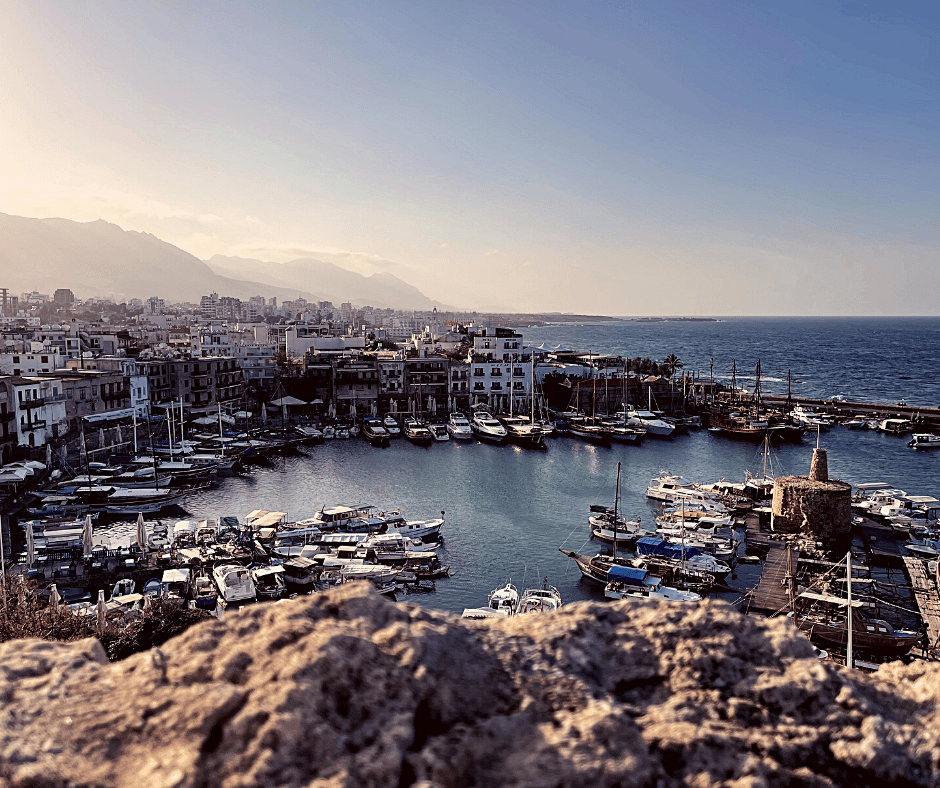 Cyprus for nomadsCyprus is in the EU but not yet in Schengen, with a capped nomad visa and four very different bases. Larnaca, Paphos, Limassol and Nicosia compared, with realistic 2026 short-stay costs and the honest catches.
🇪🇪 Estonia
- Length: Up to 12 months (a long-stay D visa allowing 365 days within 12 consecutive months). Not renewable: afterward you leave and can reapply later. The visa includes Schengen travel rights.
- Who can apply: Non-EU citizens working remotely for a foreign employer, through their own foreign company, or for clients mostly based abroad. Note that e-Residency is a separate thing entirely: it lets you run an Estonian company online but does not grant you the right to live in Estonia. The nomad visa does.
- Income requirement: €4,500 net per month, demonstrated over the 6 months before applying: the highest bar in Europe, and the official Estonian page confirms it is measured net, not gross.
- Fee: €120 state fee (the long-stay D visa rate, older sources still quote €80-100).
- Health insurance: Required for the entire stay, valid in the Schengen area (the standard Schengen minimum of €30,000 applies).
- Income tax: Staying 183+ days in any 12-month window makes you an Estonian tax resident under Estonia's flat income tax, and the tax authority applies the rule strictly.
The e-Residency program pairs naturally with the visa for anyone who wants to run an EU company while living in Tallinn:
 Estonia e-Residency: what it is, what it isn't, and who it's forEstonia's e-Residency lets you run an EU company online, but it includes no visa, residency, tax residency or healthcare. What it costs in 2026, how the tax works, and the health insurance e-residents need.
🇬🇪 Georgia
- Length: 365 days visa-free, no application, no visa, no fee. Citizens of 95+ countries (the EU, US, UK, Canada and Australia among them) simply fly in and stay a full year. Leaving and re-entering starts a fresh 365 days, though building a life on the border deserves a plan B.
- Who can apply: Nobody applies, that is the whole point, just check the visa free list before booking. One 2026 development worth knowing: Georgia introduced a work permit system in March 2026, then rolled it back for remote workers in April. The current rule: working remotely for clients outside Georgia requires no permit, while working for Georgian clients or the local market does. And despite what older articles claim, there is no dedicated Georgian digital nomad visa; the visa-free year is the offer.
- Income requirement: None. [Official information: geoconsul.gov.ge, the consular portal with the visa-free country list]
- Fee: None.
- Health insurance: Not required for entry. For a year in the Caucasus, you want it anyway: Tbilisi's private clinics are good and expect payment, and complex cases often mean treatment abroad.
- Income tax: The famous part. Register as an Individual Entrepreneur with Small Business Status and pay just 1% on turnover up to 500,000 GEL (about €165,000) per year, 3% above that. Some professions (medical, legal, financial) are excluded. Staying 183+ days makes you a tax resident with worldwide declaration duties, and the regime's fine print has tightened in 2026, so set it up with a local advisor rather than a blog post.
🇬🇷 Greece
- Length: A two-step system: a Type D visa for 12 months, then a Digital Nomad Residence Permit for 2 years, renewable in 2-year cycles. Time on the permit counts toward the 5-year path to EU long-term residence. Important change: since February 6, 2026 (Law 5275/2026, in force from its publication in the Government Gazette), you must apply for the initial visa at a Greek consulate before traveling. The old route of arriving as a tourist and applying inside Greece has been abolished. Once you hold the nomad visa, you still need to convert to a residence permit in Greece before the visa expires.
- Who can apply: Non-EU citizens working remotely for employers or clients outside Greece, with a signed declaration that no work will be done for Greek companies. Spouses and children can join with a 20% and 15% income top-up, respectively.
- Income requirement: €3,500 per month net, after taxes, like Cyprus and unlike most of Europe, so check your take-home pay, not your gross. Proof through 6 months of bank statements alongside contracts or invoices. [Official information: the Ministry of Migration and Asylum, which publishes Law 5275/2026 and the residence permit rules, and the Greek consulate for your place of residence. The Work From Greece portal is run by Marketing Greece, a private non-profit, and has not been updated for the 2026 change.]
- Fee: €75 for the D visa plus a €150 administrative fee. The number most guides hide: converting to the 2-year residence permit costs about €1,000 more, plus €150 per family member.
- Health insurance: Comprehensive private health insurance covering the entire period of stay, including emergency care and repatriation.
- Income tax: 183+ days makes you a Greek tax resident. Greece advertises a 50% income tax break for up to 7 years for newcomers who transfer their tax residency, but whether remote workers with foreign employers qualify is genuinely disputed, so get cross-border tax advice before you count on it.
 Greece for nomadsGreece has a real nomad visa, but since February 2026 you apply at a consulate before you travel. Athens, Thessaloniki, Crete and Syros compared, with short-stay costs and spaces checked in November 2026.
🇭🇺 Hungary
- Length: The White Card runs for 1 year and renews once for a second year, for a maximum of 2 years. Renewal requires actually living in Hungary (at least 90 days in every 180) and applying 45 days before expiry. After two years you leave and reapply, and White Card time never counts toward permanent residency.
- Who can apply: Non-EU citizens employed by companies registered abroad, or owners and managers of foreign companies. The defining restriction: no family reunification at all. A spouse or partner must file their own application and independently meet every requirement, including the income bar.
- Income requirement: €3,000 net per month over the previous 6 months, doubled from €2,000 in 2024, and it is an ongoing condition. The card can be withdrawn if your income drops below it. [Official page: White Card factsheet, National Directorate-General for Aliens Policing]
- Fee: €110 when applying at a consulate abroad. Visa-free nationals already in Hungary pay less: roughly €60 applying online through the Enter Hungary platform, or about €100 in person.
- Health insurance: Private insurance valid in Hungary for the full stay, with a minimum coverage of € 30,000, or proof that you can pay for care yourself.
- Income tax: Under 183 days a year, no Hungarian income tax on foreign earnings. After 183 days, you become a tax resident, and Hungary's flat 15% personal income tax is among the lowest in the EU.
🇮🇹 Italy
- Length: 1 year, renewable annually as long as you keep meeting the requirements, with no quota cap. Apply at an Italian consulate before traveling, then request your residence permit (permesso di soggiorno) within 8 days of arrival. Launched in April 2024, with operational guidelines finalized in March 2026, so this is a young but fully working program.
- Who can apply: Non-EU citizens doing highly qualified remote work, in two streams: freelancers with foreign clients, and employees of foreign companies. Highly qualified means one of: a bachelor's degree, a license in a regulated profession, or 5+ years of professional experience (3 years for ICT roles). You also need 6 months of documented remote work history in your field. Spouses and minor children can join, with the family permit process streamlined in March 2026.
- Income requirement: About €28,000 gross per year (roughly €2,333 per month), the lowest bar among the major Western European programs. The legal formula ties it to 3x Italy's healthcare exemption threshold, so consulates quote slightly different figures, some as low as €24,789. Aim for €28,000 to be safe, and note that only income from your actual remote work counts: passive income like dividends or rent is excluded. [Official portal: vistoperitalia.esteri.it, the Foreign Ministry's visa system, with appointments booked via prenotami.esteri.it]
- Fee: €116 for the consular visa, plus standard residence permit fees once in Italy.
- Health insurance: Comprehensive medical insurance valid in Italy for the entire stay, with at least €30,000 coverage. Consulates explicitly reject bare-bones travel policies: they want real medical cover including hospitalization.
- Income tax: 183+ days makes you an Italian tax resident. One myth to ignore: the "7% flat tax for digital nomads" you may read about applies to foreign retirees in small southern towns, not to this visa. Italy has no dedicated nomad tax regime yet (a proposal is under discussion in the 2026 budget). Self-employed nomads often use the regime forfettario, an effective 5% rate for the first 5 years on revenue under €85,000, and this is firmly professional-advice territory.
🇲🇹 Malta
- Length: The Nomad Residence Permit lasts 1 year and can be renewed up to 3 times, for a maximum of 4 years, with no path to permanent residency. Renewal has a real presence test: at least 5 cumulative months in Malta over the previous 12, proven through Maltese bank transactions, with the renewal filed 2 to 3 months before expiry.
- Who can apply: Non-EU citizens in three categories: remote employees of foreign companies, freelancers serving non-Maltese clients, and owners or directors of companies registered abroad. One official disqualifier worth knowing: working for a foreign company but serving its Maltese subsidiary makes you ineligible. Your spouse, minor children and dependent adult children can join your first application.
- Income requirement: €42,000 gross per year, about €3,500 per month, raised from €32,400 in April 2024. Only active remote work income counts: savings and investment income are explicitly excluded. [Official page: Nomad Residence Permit, Residency Malta Agency]
- Fee: €300 non-refundable application fee per applicant, plus €100 per person for the residence card. Applications run through the agency's online portal and take about 30 working days, plus three to four weeks for the residence card once you have given biometrics in Malta.
- Health insurance: A health insurance policy, not travel insurance, for you and every dependant, with at least €100,000 of cover in the EU and the UK, running for a full year and paid in advance as one annual premium. Policies paid monthly are not accepted.
- Income tax: Malta's headline feature: the only Mediterranean program with a dedicated nomad tax law. Your first 12 months of foreign remote income are exempt, and after that, a flat 10% applies to authorized remote work income, compared with a standard top rate of 35%. The official FAQ stresses that the permit alone does not automatically grant this treatment. Conditions in the tax rules must also be met, so confirm your position with an advisor. English being an official language makes that conversation easier.
 Malta for nomadsEnglish-speaking, EU, sunny through winter, and pricier than its reputation. Where to base yourself in Malta in 2026, what it really costs, and how the Nomad Residence Permit works.
🇲🇪 Montenegro
- Length: Up to 2 years on the digital nomad temporary residence permit, extendable once for up to 2 more, with a new permit possible 6 months after the previous one expires. The permit sits in Montenegro's Law on Foreigners and stayed in place through the amendments of January and March 2026. Montenegro is outside the EU and Schengen, so days there don't count toward your Schengen 90/180.
- Who can apply: Foreigners who work online for a foreign employer or for their own company registered outside Montenegro. Enter legally, then apply in person at the Ministry of Interior office where you live before your 90 visa-free days run out. A complete application lets you stay until the decision, which is due within 40 days. You need proof of financial means, accommodation and health insurance, a passport valid at least 3 months beyond the permit, a clean criminal record, and your employment contract or company documents.
- Income requirement: No fixed threshold is published, and the official pages ask only for proof of financial means. Figures in circulation (€1,800 to €2,400 a month) come from secondary sources, so confirm with the Ministry of Interior before relying on one. [Official information: the Government's digital nomad portal, checked November 2026]
- Fee: No dedicated fee schedule is published. Standard administrative fees apply, so confirm the current amount with the Ministry of Interior.
- Health insurance: Proof of health insurance is a required document for the permit.
- Income tax: The official pages publish no tax rule for permit holders. Claims that foreign income is tax-free come from secondary sources, so check your position with a tax adviser first.
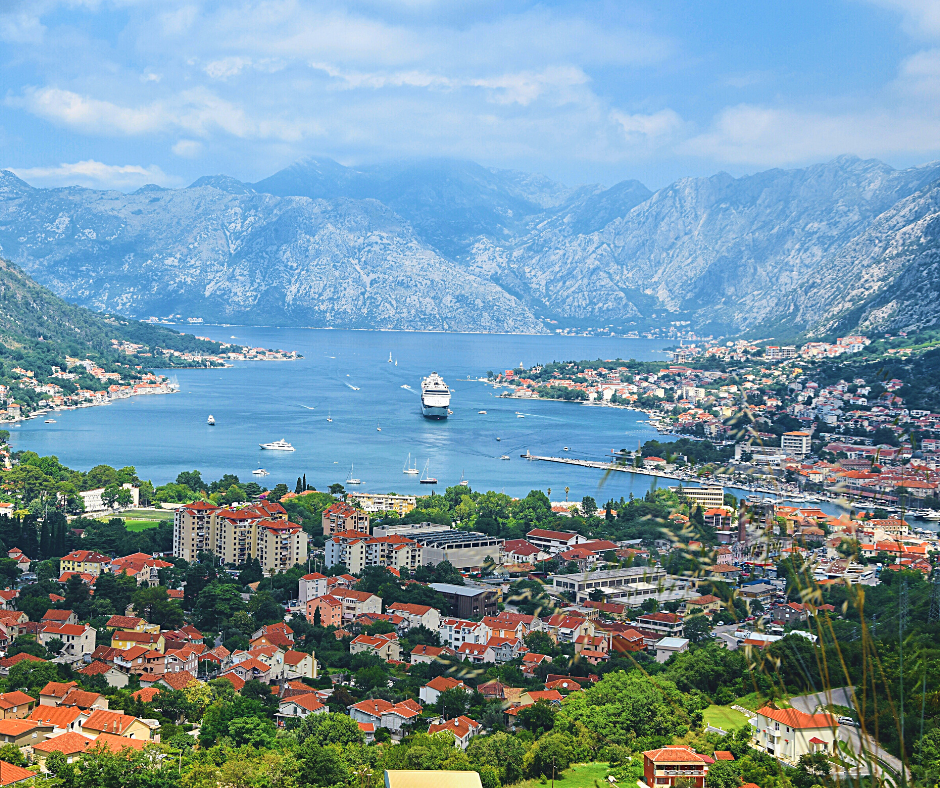 Montenegro for nomadsMontenegro sits outside Schengen, uses the euro and costs less than Croatia. Here is how nomads live in Kotor, Tivat, Budva and Podgorica in 2026, with real costs and verified spaces.
🇵🇹 Portugal
- Length: Two tracks under the D8. The temporary stay visa allows up to 1 year of multiple entries, good for trying out Portugal without commitment. The residence route is what most nomads choose: a 4-month double-entry visa, then an appointment with AIMA (the migration agency) for a 2-year residence permit, renewable for 3 more years, with permanent residency available at the 5-year mark. Plan realistically: the consular stage has an official 60-day deadline, but the AIMA stage has no published timeline and often takes several months.
- Who can apply: Non-EU citizens working remotely as employees of foreign companies or freelancers with foreign clients. Portuguese clients cannot be your primary source of income. Spouses and children can be included from the start (adding them later now means a 2-year family reunification wait).
- Income requirement: €3,680 gross per month, set at 4x Portugal's minimum wage (€920 since January 2026, up from €870, and the threshold rises with every wage increase). Add €460 per month for a spouse and €276 per child. Consulates commonly also ask for savings of about €11,040 (12x the minimum wage), which is consular practice rather than a D8-specific legal rule, so check your post's checklist. [Official portal: vistos.mne.gov.pt, the Foreign Ministry's visa site, with residence permits handled by aima.gov.pt]
- Fee: €110 for the consular visa (since March 2025) plus about €170 to €230 for the AIMA residence permit, so budget roughly €280 to €340 in government fees, plus document costs.
- Health insurance: Required for the visa and the period until you can register with Portugal's public health system (SNS) as a resident. Given the AIMA timeline, that gap is measured in months, not weeks.
- Income tax: 183+ days makes you a tax resident, with progressive rates up to 48%. The famous NHR regime is gone: it closed to new applicants in 2024 and its transition ended in March 2025. Its successor, IFICI (sometimes called NHR 2.0, a 20% flat rate), targets specific high-value professions, and most remote workers with foreign employers do not qualify. And the biggest change of 2026: the new nationality law (in force since May 19, 2026) raised the citizenship timeline from 5 years to 10 (7 for EU and CPLP citizens), counted from the issuance of your first residence permit, with a new culture and civics test on top of the A2 language requirement. Permanent residency at 5 years is unchanged, but the "5 years to an EU passport" era is over for new applicants.
 Portugal digital nomad visa: requirements and how to applyPortugal's D8 lets you live and work remotely for up to five years, if you clear the €3,680 income bar. Here is who qualifies, what it costs, and the tax change that most guides still get wrong.
🇷🇴 Romania
- Length: A long-stay D visa applied for online, followed by a 12-month residence permit from the immigration office (IGI) once in Romania, renewable annually for up to 36 months in total. Processing is among the fastest in Europe at 10 to 14 working days, though gathering apostilled documents takes longer, so allow a 2-month lead time.
- Who can apply: Non-EU citizens employed by companies registered outside Romania or running their own foreign registered company, with all income from abroad. Family members can join through reunification once you hold the residence permit.
- Income requirement: 3x Romania's average gross salary, which for 2026 means about 27,600 RON, roughly €5,400 per month. The reference salary of 9,192 lei is set by law each year, and because Romanian wages have risen sharply, the €3,700 still quoted by most guides reflects wage levels from the visa's launch years. Proof runs through 6 months of bank statements or payslips. One consolation: at renewal the requirement drops to just 1x the average salary. [Official portal: evisa.mae.ro, the Foreign Ministry's eVisa platform]
- Fee: About €120 for the D visa plus roughly €120 for the residence permit, cheaper than most Western European programs.
- Health insurance: Valid in Romania and covering the full stay.
- Income tax: Romania's quiet superpower, with a catch. Under Law 69/2023, digital nomad visa holders pay no Romanian income tax or social contributions on foreign income, but only for stays of up to 183 days in any 12 consecutive months. Stay longer, and you become a tax resident in Romania at a flat 10%, still one of the lowest rates in the EU, plus social contributions. Since January 2025, Romania is also a full Schengen member, so the permit includes 90 days in 180 days of travel across the zone.
 Romania digital nomad visa: requirements and how to applyRomania's digital nomad visa pairs a flat 10% tax and gigabit internet with an income bar that half the internet gets wrong. Here is the real 2026 figure, why the numbers disagree, and how to apply.
🇸🇮 Slovenia
- Length: 1 year as a dedicated digital nomad temporary residence permit, one of Europe's newest programs, live since November 21, 2025. The permit cannot be extended, but you can apply again 6 months after it expires, and you can switch to another permit type (employment, self-employment, study) at any time while it's valid.
- Who can apply: Non-EU citizens who work remotely via ICT for an employer or clients registered outside Slovenia, or who run their own foreign-registered business. You are explicitly not entering the Slovenian labor market, so no work permit is needed. Family reunification is immediate, with no waiting period, one of the most family-friendly setups in Europe. [Official information: gov.si announcement, the Slovenian government's English-language page on the permit.]
- Income requirement: Funds of at least twice the average Slovenian monthly net salary, roughly €3,400 per month in 2026. The exact figure moves with the official salary statistics published in the Official Gazette, so check the current number when applying. Proof runs through bank statements, typically the last 6 months.
- Fee: Standard Slovenian residence permit administrative fees apply, modest by Western European standards. No dedicated nomad fee schedule is published, confirm the current tariff with the consulate or administrative unit where you apply.
- Where to apply: At any Slovenian embassy or consulate abroad, or if you are already legally in Slovenia, at any administrative unit (upravna enota) in the country.
- Health insurance: Required, covering at least emergency care in Slovenia for the length of the stay.
- Income tax: Spending 183+ days per year in Slovenia generally makes you a tax resident, with progressive rates of 16 to 50 percent on worldwide income, softened by 60+ double tax treaties. The permit itself does not create tax residency, days do, but a full year on the permit will usually cross the line, so plan with an advisor. The Slovenian tax authority (FURS) has published specific guidance for digital nomads.
🇪🇸 Spain
- Length: Two routes under the Startup Law. Apply at a consulate for a 1-year visa and convert it after arrival, or apply directly from inside Spain to the UGE (the fast-track unit for strategic applications) for a 3-year residence permit straight away, renewable for 2 more years. Permanent residency comes at 5 years. The UGE makes a decision in about 20 working days, and unanswered applications are approved. One long-game note: Spanish citizenship takes 10 years for most nationalities, but just 2 for Latin American citizens, which, after Portugal's 2026 law change, makes Spain the fastest passport for that group.
- Who can apply: Non-EU citizens with a degree or 3 years of professional experience, either employed by a foreign company (the relationship must be at least 3 months old and the company at least a year old) or freelancing. Spain's unique flexibility: freelancers may earn up to 20% of their income from Spanish clients. The practical hurdle for employees is social security: you need proof of coverage, usually an A1-style certificate under a treaty between Spain and your country, and without one the employee route can be blocked. Freelancers sidestep this by registering as autónomo. Family members can be included.
- Income requirement: €2,849 gross per month (€34,188 per year), set at 200% of Spain's minimum wage. The math explains the confusion you will see elsewhere: the 2026 SMI is €1,221 paid 14 times a year, and the authorities annualize it, so quotes of €2,442 or €2,763 come from older wages or simpler math. Add about €1,068 per month for the first family member and €356 per additional family member.
- Fee: €73.26 for the UGE permit; consular visa fees are charged in local currency and vary by country, plus a small residence card (TIE) fee.
- Health insurance: Europe's strictest wording: private insurance from an insurer authorised to operate in Spain, with cover equivalent to the public system, no co-payments and no waiting periods; travel insurance doesn't count. Some consulates also ask for repatriation. Applicants who register with Spanish social security (freelancers in RETA, employees through their foreign employer) gain public cover, which satisfies the requirement on its own.
- Income tax: 183+ days makes you a Spanish tax resident. The Beckham regime is the draw: a flat 24% tax on employment income up to €600,000 for up to 6 years, though it mainly applies to employees, and most freelancers are excluded. Standard progressive rates reach 47%.
 Spain digital nomad visa 2026: requirements, income and health insuranceSpain's digital nomad visa offers three years of residency and a flat 24% tax option, but its health insurance rules trip up many applicants. Here is what it requires in 2026: income, insurance and how to apply.
Jump to a country
🇪🇺 Europe: Bulgaria · Croatia · Cyprus · Estonia · Georgia · Greece · Hungary · Italy · Malta · Montenegro · Portugal · Romania · Slovenia · Spain
🌏 Asia: India · Indonesia · Japan · Malaysia · Philippines · South Korea · Sri Lanka · Taiwan · Thailand · UAE
🌎 America: Argentina · Barbados · Belize · Brazil · Chile · Colombia · Costa Rica · Ecuador · Guatemala · Mexico · Panama · Peru · Uruguay
🌍 Africa: Mauritius · Namibia · South Africa
🌏 Asia
| Country | Length | Income per month | Fee | Open to |
|---|---|---|---|---|
| India | 180 days per year (no nomad visa, e-Tourist route) | None | $40 (1 year e-visa) | 175 e-visa nationalities |
| Indonesia | 1 year, extendable to 6 | ~$5,000 ($60,000/year) | ~$400-450 (IDR 7,000,000, re-entry permit incl.) | Employees of foreign companies |
| Japan | 6 months, not extendable | ~$5,200 (¥10,000,000/year) | ~$95-190 (¥15,000-30,000) | Citizens of 51 countries and regions |
| Malaysia | 3-12 months, renewable to 48 | ~$3,000 ($36,000/year, tech) / ~$5,000 ($60,000/year, non-tech) | ~$265 (RM1,080 incl. tax) + pass fee and bond on approval | Tech and non-tech professionals, all nationalities except Israel |
| Philippines | 1 year, renewable to 2 (not yet open) | ~$2,000 (indicative) | Not yet published | Reciprocity countries, once launched |
| South Korea | Up to 3 years (1 year, extendable) | ~$6,200 (2x GNI); ~$3,100–4,600 for under 35s or outside Greater Seoul | Consular visa fee, varies by nationality | Employees of foreign companies (1+ year) |
| Sri Lanka | 12 months, renewable annually | $2,000 (remitted to Sri Lanka; +$500 per dependent beyond two) | $500 per person per year | Remote employees, freelancers and business owners with foreign income |
| Taiwan | 6 months, renewable to 2 years | ~$3,333 (30+) / ~$1,667 (ages 20-29) | Visitor visa fee, varies | Nationals of visa-exempt countries |
| Thailand | 5 years, 180 days per entry | None (THB 500,000 in funds) | ~$305 (THB 10,000) | Nationals or residents of the country where they apply |
| UAE | 1 year, renewable | $3,500 | AED 200 + VAT, plus permit fees | Remote workers for organizations abroad |
🇮🇳 India
- Length: India has no digital nomad visa, and the proposal Goa keeps sending to Delhi has not been approved (last presented to the union home minister in August 2026, taken under examination). What exists is the e-Tourist visa: 30 days, 1 year or 5 years of validity, all with a hard cap of 180 days in India per calendar year. Remote work for a foreign employer on it is a tolerated grey zone, not a right.
- Who can apply: Citizens of 175 e-visa eligible countries, online only at indianvisaonline.gov.in, 4 to 120 days before arrival. Non-extendable and non-convertible.
- Income requirement: None. A return or onward ticket and sufficient funds for the stay.
- Fee: US$40 for the 1 year e-Tourist visa for most nationalities. The 5 year version swings by passport: US$200 standard, US$160 for US citizens, US$484 for UK citizens. A 3% card charge applies on top.
- Health insurance: Not required for the visa. Private hospitals are the standard for foreigners in India and expect payment upfront.
- Income tax: India taxes residents on worldwide income once you cross 182 days in its April to March fiscal year. Repeat visitors have a second trigger: 60 days in a year plus 365 days across the previous 4 years also makes you resident, so a yearly Goa habit can quietly cross the line. Count fiscal years as well as calendar years.
 India digital nomad visa: what actually exists in 2026There is no India digital nomad visa, whatever the search results say. Here is what remote workers actually use in 2026: the 1 year e-Tourist visa, the 180 day rule, and where Goa’s proposal really stands.
🇮🇩 Indonesia
- Length: 1 year as an E33G remote worker stay permit (ITAS, often called KITAS), applied for entirely online with no embassy visit and no sponsor. It can be extended online, with each extension no longer than the first permit, up to 6 years in total. A spouse and children can apply for family visas as dependants (categories E31B and E31E).
- Who can apply: The visa's official name says it precisely: employees of companies abroad working remotely in Indonesia. You need an employment agreement with a company established outside Indonesia. Freelancers with a client roster rather than an employer are not explicitly addressed, so confirm your case before paying any fees.
- Income requirement: US$60,000 per year, roughly US$5,000 per month, plus a separate bank statement showing at least US$2,000 over the last 3 months. [Official portal: evisa.imigrasi.go.id, Indonesia's e-visa platform]
- Fee: Rp7,000,000 (roughly US$400 to US$450) for 1 year, covering the visa, verification, the stay permit and a 1-year re-entry permit. Extensions cost further government fees. Agents are optional: you can run the application through the official portal yourself.
- Health insurance: Not on the official E33G document checklist. Still worth having for a long stay: Bali's private clinics handle routine care well, but serious cases are often transferred to Singapore or home.
- Income tax: Indonesia treats you as a tax resident after more than 183 days in a 12-month period, or earlier if you show intent to reside, for example with a rental contract of more than 183 days or family members moving with you. Residents are taxed on worldwide income. The four-year exemption on foreign income applies only to certain experts in specific job positions, not to remote workers in general.
 Bali digital nomad visa (E33G): requirements and 2026 rulesThe Bali digital nomad visa is Indonesia's E33G. Who it fits, what it costs, the tax catch, and why working remotely on a tourist visa is not an option in 2026.
🇯🇵 Japan
- Length: 6 months. Not extendable. You can reapply after spending 6 months outside Japan. The full guide to the Japan digital nomad visa covers what the end of the 6 months looks like and how consulates handle the waiting period.
- Who can apply: Citizens of 51 countries and regions on the official list (visa-waiver countries with tax treaties). Spouses and children can accompany you under the same status, though they cannot work in Japan.
- Income requirement: At least ¥10,000,000 per year (about €56,500). One of the highest bars worldwide. [Official information: the Ministry of Foreign Affairs, where applications run through your nearest Japanese embassy or consulate]
- Fee: ¥15,000 single entry (about €85) or ¥30,000 multiple entry (about €170), for applications from July 1, 2026.
- Health insurance: Private insurance covering death, injury and illness during the stay, with at least ¥10,000,000 for medical treatment and, for death, transport of the body or a death benefit, is an official requirement.
- Income tax: Staying under 183 days in a calendar year generally keeps you a non-resident, but a full 6-month stay sits right at that line, so count your days.
 Japan digital nomad visa: requirements and how to applyJapan's digital nomad visa lets remote workers stay up to 6 months if they earn ¥10 million (about $63,000) a year. Here is who qualifies, what the 2026 fees cost, and how to apply without tripping over the paperwork.
🇲🇾 Malaysia
- Length: The DE Rantau Nomad Pass, technically a Professional Visit Pass, runs for 3 to 12 months at first, with up to three 12-month renewals, for a maximum of 48 months in total. You apply online through MDEC, Malaysia's digital economy agency, from anywhere, and processing takes about 6 to 8 weeks. A tourist pass cannot be converted: if you are approved while in Malaysia, you leave and re-enter before the pass is issued. The pass covers Peninsular Malaysia and Labuan; Sabah and Sarawak can be visited on a tourist pass.
- Who can apply: All nationalities except Israel, in two tracks with very different income bars. Tech and digital professionals (software, cloud, cybersecurity, AI, UX, digital marketing, content creation and similar) qualify at the lower tier. Since June 2024, non-tech professionals qualify too, from CEOs and consultants to HR managers and technical writers, at a much higher tier. Remote employees must work for an employer not registered in Malaysia, and freelancers need contracts with foreign clients, up to 3 at a time. All contracts must have started at least 3 months before you apply. Spouses and children can join, and unusually, so can the main pass holder's parents.
- Income requirement: More than US$36,000 per year (about US$3,000 per month) for tech and digital professionals, raised from US$24,000 in November 2026. More than US$60,000 per year (about US$5,000 per month) for non-tech professionals. Both figures come from MDEC's official FAQ (version 11, November 1, 2026). [Official page: mdec.my, where applications are submitted]
- Fee: RM1,080 (about €239, including 8% service tax) for the main applicant and RM540 (about €120) per dependent, non-refundable even if rejected. On approval, an immigration pass fee of RM360 (about €80) per year and a refundable personal bond: RM1,500 (about €332) for European passports, RM2,000 (about €443) for US and Canadian passports.
- Health insurance: A valid health insurance policy covering Malaysia is required before the pass is issued.
- Income tax: Every pass holder registers with the Inland Revenue Board (LHDN) before the pass is issued, and renewals require proof that outstanding tax has been paid. According to MDEC's FAQ, remote employees owe no Malaysian tax on their salary for stays of up to 60 days but can become liable from 61 days, and freelancers' treatment depends on their residence status and where their income is sourced. Plan longer stays with professional advice.
 Malaysia for nomadsKuala Lumpur and Penang compared for remote workers: the DE Rantau pass after its November 2026 changes, short-stay costs in euro, verified coworking spaces and the best season for each base.
🇵🇭 Philippines
- Length: 1 year, renewable once for a total of 2 years, once applications open. And that is the catch: the visa was created by executive order in 2025, but as of July 2026 the implementing rules are still not in force, so nobody can apply yet. Until then, the practical route stays the tourist one: 30 days visa-free for most nationalities, extendable in-country for up to 36 months, one of the most generous tourist regimes anywhere.
- Who can apply: Once live: applicants 18 or older working remotely for clients or employers outside the Philippines, with no access to the local labor market. There is a reciprocity rule: your passport country must offer a digital nomad visa to Filipinos and host a Philippine embassy.
- Income requirement: The figure circulating is US$24,000 per year (US$2,000 per month), but treat it as indicative; the executive order only requires sufficient income from outside the Philippines, and the real threshold will be set by the implementing rules. [Official updates: the Department of Foreign Affairs at dfa.gov.ph]
- Fee: Not yet published. Estimates of US$200-300 circulate, unconfirmed.
- Health insurance: Required for the entire stay under the framework.
- Income tax: The framework keeps nomads out of the local labor market, and foreign income earned by non-resident aliens generally falls outside Philippine tax jurisdiction. Confirm the details once the implementing rules are published.
 Philippines digital nomad visa: requirements and current statusThe Philippines signed a digital nomad visa into law in April 2025. More than a year later you still cannot apply for it. Here is what Executive Order 86 actually says, and the route that does work right now.
🇰🇷 South Korea
- Length: Up to 3 years on the F-1-D workation visa, granted for 1 year at a time and extendable 1 year at a time. The program just graduated from pilot to permanent status: it officially launched on June 30, 2026, with eased rules, following a pilot that ran from January 2024 through May 2026.
- Who can apply: Remote employees of foreign companies, aged 18 or older, with at least a year of employment history in the same field. A criminal record certificate is required. Applications run through Korean embassies and consulates, and holders of a tourist status (B-1, B-2 or C-3) who meet the requirements can switch to the F-1-D inside Korea.
- Income requirement: The baseline is 2x Korea's previous year GNI per capita (₩104.83 million, about US$74,000 per year with 2025 GNI at US$36,963), one of the steepest bars anywhere. The 2026 launch added a tiered system: applicants aged 18 to 34 qualify at 1.5x GNI in the capital area and at just 1x GNI (about US$37,000) if they settle outside Greater Seoul or in a designated population-declining region, while applicants aged 35 and older qualify at 1.5x outside the capital area. Bringing a spouse or children sets the bar at 2x in the capital area and 1.5x elsewhere. Korea is openly using the visa as a regional revitalization policy. [Official information: the Ministry of Justice announcement and the Hi Korea immigration portal]
- Fee: Consular visa fee, varies by nationality. Check with the Korean embassy or consulate where you apply.
- Health insurance: Private coverage of at least ₩100,000,000 (about €67,600) including medical treatment and repatriation is an official requirement.
- Income tax: No special exemption. 183 days in Korea makes you a tax resident under normal rules.
 South Korea for nomadsFast trains, some of the world's fastest internet and a café on every corner, at prices above Southeast Asia. How nomads live and work in Seoul, Busan and Jeju in 2026, with the new workation visa rules, the K-ETA change and real one-month costs.
🇱🇰 Sri Lanka
- Length: 12 months, renewable annually. Sri Lanka's Digital Nomad Visa is a residence visa category run by the Department of Immigration and Emigration's Residence Visa Division. Online applications opened in February 2026, and the first visa was issued on February 26, 2026. It does not lead to permanent residency or citizenship.
- Who can apply: Foreign nationals aged 18 or older who work remotely for an employer outside Sri Lanka, freelance for foreign clients, or own a business not registered in Sri Lanka. Local employment and income from Sri Lankan sources are not allowed. Spouses and children can be included, and a recommendation from the Ministry of Digital Economy is part of the process. Changes in employment, income or dependents must be reported to the Department of Immigration and Emigration within 30 days.
- Income requirement: At least US$2,000 a month in foreign income, remitted into Sri Lanka through the local banking system. That covers the main applicant and up to two dependents; each further dependent adds US$500 a month. [Official information: the Department of Immigration and Emigration, where applications are submitted]
- Fee: US$500 per person per year, for the main applicant and each dependent, according to the Department of Immigration and Emigration as reported by CNBC.
- Health insurance: Required for you and every dependent for the length of the stay.
- Income tax: The visa itself grants no tax exemption, and because the income is remitted into Sri Lanka, longer stays raise tax questions quickly. Confirm your position with the Inland Revenue Department or a tax advisor before you rely on the visa alone.
 Sri Lanka for nomadsCheap curries, year round surf and now an official digital nomad visa. Here is what living and working in Sri Lanka looks like in 2026, from the south coast scene around Weligama and Hiriketiya to the practical fine print.
🇹🇼 Taiwan
- Length: 6 months initially, renewable in 6-month increments up to 2 years total. The 2-year ceiling is new in 2026; the program launched in January 2025 with just 6 months. Taiwan also offers a second route worth knowing: the Employment Gold Card, a 1- to 3-year residence permit with an open work permit and a path to permanent residency for professionals earning NT$160,000 per month (about US$5,000) or qualifying by profession.
- Who can apply: Only nationals of visa-exempt countries can apply, according to the Bureau of Consular Affairs. Remote workers applying through Taiwan's overseas missions, with two age tiers and a lovely third door: you also qualify if you already hold a digital nomad visa from another country.
- Income requirement: US$40,000 in one of the last two years for applicants 30 and older. US$20,000 for ages 20 to 29, one of the lowest bars anywhere for young nomads. You also need bank statements showing an average balance of at least US$10,000 a month over the last 6 months. [Official information: Talent Taiwan, the government's dedicated portal]
- Fee: Standard visitor visa fees, varying by nationality.
- Health insurance: International health insurance covering your stay is part of the application requirements.
- Income tax: Under 183 days a year, you stay a non-resident and foreign income sits out of scope. Cross 183 days and normal Taiwanese tax residency applies.
 Taiwan for nomadsTaiwan is one of Asia's safest and best-connected bases, and its nomad visa is one of the easiest in the region to qualify for. Here is how the visa rules, real monthly costs and the best bases from Taipei to Kaohsiung look in 2026.
🇹🇭 Thailand
- Length: 5 years, with stays of up to 180 days per entry, extendable once per entry for another 180 days (about 1,900 THB).
- Who can apply: Most nationalities, through the Thai embassy or consulate for your country of nationality or permanent residence. Since 31 August 2026, applicants also need proof of permanent residence there and a criminal record certificate. Applications run through the official e-visa system. [Official portal: thaievisa.go.th, with a dedicated DTV page]
- Income requirement: No income threshold. Instead, show funds of at least 500,000 THB (about €12,500) with bank statements, payslips or a sponsorship letter.
- Fee: 10,000 THB (about €280), charged in your local currency by the embassy handling your application, so the exact amount varies slightly by country.
- Health insurance: Not an official DTV requirement, but strongly recommended for a multi-year stay.
- Income tax: Staying 180 days or more in a calendar year makes you a Thai tax resident. Since 1 January 2024, under Revenue Department instruction Por. 161/2566, foreign income a Thai tax resident brings into Thailand is taxable in the year it is brought in, whenever it was earned. Por. 162/2566 keeps income earned before 2024 outside this rule. A proposed exemption for income brought in during the year it is earned or the following year had not become law as of October 2026.
 Thailand digital nomad visa (DTV): requirements and how to applyThe DTV is Thailand's digital nomad visa: 5 years, 180-day stays, no income threshold. Here's what changed in 2026, what it costs and how to apply.
🇦🇪 United Arab Emirates
- Length: 1 year, renewable, self-sponsored. Dubai runs it as the Virtual Working Programme through GDRFA Dubai; you can also apply through the federal authority, ICP. The residence entitles you to sponsor your family for the same period.
- Who can apply: People who work remotely for an organization outside the UAE, with evidence that the work is done remotely. The visa does not allow work for UAE-based companies.
- Income requirement: US$3,500 per month or the equivalent, shown with a salary certificate, as listed by both the UAE government portal and GDRFA Dubai in November 2026. [Official information: u.ae, the federal government portal, and the GDRFA Dubai service page]
- Fee: At GDRFA Dubai, AED 200 plus 5% VAT for the visa, then AED 200 for the residence permit, plus small knowledge and innovation fees (AED 10 each). Applying from inside the UAE adds AED 500.
- Health insurance: Valid health insurance is required, plus a medical fitness test as part of the process.
- Income tax: The headline reason people come: the UAE levies no personal income tax on employment earnings. Mind your home country’s exit rules rather than UAE ones.
Not to be confused with the UAE's five-year multiple-entry tourist visa, which is often shared online as a nomad visa. It is a tourist visa with no right to work and a cap of 180 days a year.
 UAE 5-year tourist visa: why it's not a digital nomad visaIt's being shared as a nomad visa. It isn't one. Here's what the UAE 5-year tourist visa allows, what it costs, and who it suits.
Jump to a country
🇪🇺 Europe: Bulgaria · Croatia · Cyprus · Estonia · Georgia · Greece · Hungary · Italy · Malta · Montenegro · Portugal · Romania · Slovenia · Spain
🌏 Asia: India · Indonesia · Japan · Malaysia · Philippines · South Korea · Sri Lanka · Taiwan · Thailand · UAE
🌎 America: Argentina · Barbados · Belize · Brazil · Chile · Colombia · Costa Rica · Ecuador · Guatemala · Mexico · Panama · Peru · Uruguay
🌍 Africa: Mauritius · Namibia · South Africa
🌎 America
| Country | Length | Income per month | Fee | Open to |
|---|---|---|---|---|
| Argentina | 180 days, extendable once to 360 | None (proof of remote work instead) | ~$20 (ARS 32,000), ARS 16,000 for Mercosur | Visa-exempt nationalities only |
| Barbados | 12 months, reapply annually | ~$4,170 ($50,000/year, certified) | $2,000 ($3,000 family), due on approval | All nationalities |
| Belize | Up to 6 months, not extendable | ~$6,250 ($75,000/year; $100,000 with dependents) | Confirm with Immigration (official sources conflict) | Citizens or residents of the EU, UK, US and Canada |
| Brazil | 1 year, renewable to 2 | $1,500 (or $18,000 savings) | ~$100, varies by nationality | All nationalities |
| Chile | Up to 180 days per entry (no nomad visa, tourist route) | None | $100 for the 90-day extension | Visa-exempt nationalities |
| Colombia | Up to 2 years | ~€1,300 (3x minimum wage) | €150 | ~100 visa-exempt nationalities |
| Costa Rica | 1 year, extendable to 2 (180 days presence required) | $3,000 ($4,000 family) | $190 total | All nationalities |
| Ecuador | 2 years, renewable to 4 | ~$1,446 (3x basic salary) | $320 total | All nationalities |
| Guatemala | 1 year, up to 5 (temporary residence) | $2,000 ($3,000 with dependents) | $25 + $200 (1 yr) / $300 (2 yrs) / $500 (3–5 yrs) | Remote workers with a foreign employer |
| Mexico | 1 year, renewable to 4 (no nomad visa, residency route) | ~$4,400-4,500 (or ~$75,000 savings) | $54 + INM card fee | All nationalities, applied abroad |
| Panama | 9 months, extendable once by 9 | ~$3,000 ($36,000/year) | $250 + $50 visa card | Remote workers for employers or clients abroad (filed inside Panama) |
| Peru | Up to 183 days in 365 (no working nomad visa, tourist route) | None | None for visa-free entry | Visa-exempt nationalities |
| Uruguay | 6 months, renewable to 12 | None (sworn declaration instead) | ~$10 (55.71 indexed units) | All nationalities (tourist entry first) |
🇦🇷 Argentina
- Length: 180 days, extendable once for an additional 180 days. The extension is granted only once, and you must have actually spent at least half of your first 180 days in Argentina to qualify. Argentina classifies this as a transitory residence (Decree 366/2025 kept transitory residence as its own category), so it does not lead toward permanent residency on its own. Official information: the Dirección Nacional de Migraciones service page and Disposición DNM 758/2022.
- Who can apply: Only nationals of countries that can enter Argentina visa-free as tourists. If you need a tourist visa for Argentina, this route is closed to you, which is the program's biggest limitation.
- Income requirement: None, and that is rare. Instead of a fixed threshold, you prove the work itself: a contract, employer letter or client documentation, income receipts, a short CV and at least one professional reference. Applicants report being expected to show around $2,000 to $2,500 a month in practice. You also need an Argentine criminal record certificate, and foreign documents need an apostille (or Argentine consular legalization) plus a sworn Spanish translation.
- Cost: ARS 32,000 (about $20 at mid-November 2026 rates), ARS 16,000 for Mercosur nationals, which makes it one of the cheapest nomad visas anywhere. The extension costs ARS 40,000 (about $25), ARS 20,000 for Mercosur nationals. The official fee chart also lists ARS 100,000 for switching from tourist to "special reasons" transitory status; the nomad page does not say whether it applies on top, so confirm at your appointment.
- How to apply: In person with Migraciones from inside Argentina, after a regular tourist entry, not via RaDEX. No official timeline; applicants report 2 to 6 weeks.
- Health insurance: Not on the Migraciones document list for this visa, but since Decree 366/2025 every foreigner entering Argentina must declare on arrival that they have health insurance for the stay.
 Argentina digital nomad visa: requirements and how to applyArgentina's digital nomad visa gives remote workers up to 360 days with no official income floor. Here is what it costs, how tax residency works, and why it is a dead end for anyone hoping to settle.
🇧🇧 Barbados
- Length: 12 months, and unusually, Barbados actually calls it a visa: the 12-Month Welcome Stamp Visa, launched in June 2020 as the Caribbean's first remote work program and running continuously since. There is no extension mechanism; instead, the official site states that you can simply reapply for another year. Official information: Barbados Welcome Stamp site.
- Who can apply: Any nationality, individuals or families, as long as your work is location independent and your employer or clients sit outside Barbados. Local work is off-limits. Nationals of countries that need a visa to enter Barbados just include their entry visa in the application.
- Income requirement: US$50,000 over the 12 months of the stamp, which you certify on the application rather than document with bank statements. It is one of the higher bars in the Americas, and island prices match it. The sweetener is on the tax side: Welcome Stamp holders pay no Barbados income tax on their foreign earnings, though the island's 17.5% VAT applies to everything you buy there. Families get a real perk too: school-aged children can enroll in local schools without a separate student visa application.
- Cost: US$2,000 for an individual or US$3,000 for a family bundle, and here is the friendly part: submitting the online application is free, decisions typically arrive within 7 business days, and the fee is only due within 28 days after approval. So you find out whether you are in before spending a cent.
🇧🇿 Belize
- Length: Up to 6 months in a calendar year on the Immigration Department's Long Stay Permit, marketed by the Belize Tourism Board as Work Where You Vacation (status checked November 24, 2026). The permit cannot be extended. Outside the programme, most Western passports get 30 days visa-free, extendable in 30-day steps for BZ$200 each at an Immigration office.
- Who can apply: Citizens or permanent residents of the EU, UK, US or Canada employed outside Belize. Holders may not take employment in Belize. You also need a notarized bank reference and a police record issued within 6 months. Apply online with the Immigration Department, wait for approval, then pay the fee on arrival at the airport.
- Income requirement: At least US$75,000 a year (about US$6,250 a month), or US$100,000 when applying with dependents. [Official information: the Immigration Department's Long Stay Permit page, checked November 2026]
- Fee: The two official sources disagree. The Immigration Department lists US$500 per adult and US$200 per child, while the Belize Tourism Board's Work Where You Vacation page shows BZ$500 and BZ$200, half that. Confirm with Immigration (visas@immigration.gov.bz) before you budget.
- Health insurance: Travel insurance with at least US$50,000 of health cover is required.
- Income tax: Neither official programme page sets out a tax rule for permit holders, so check your position with an adviser before relying on the permit.
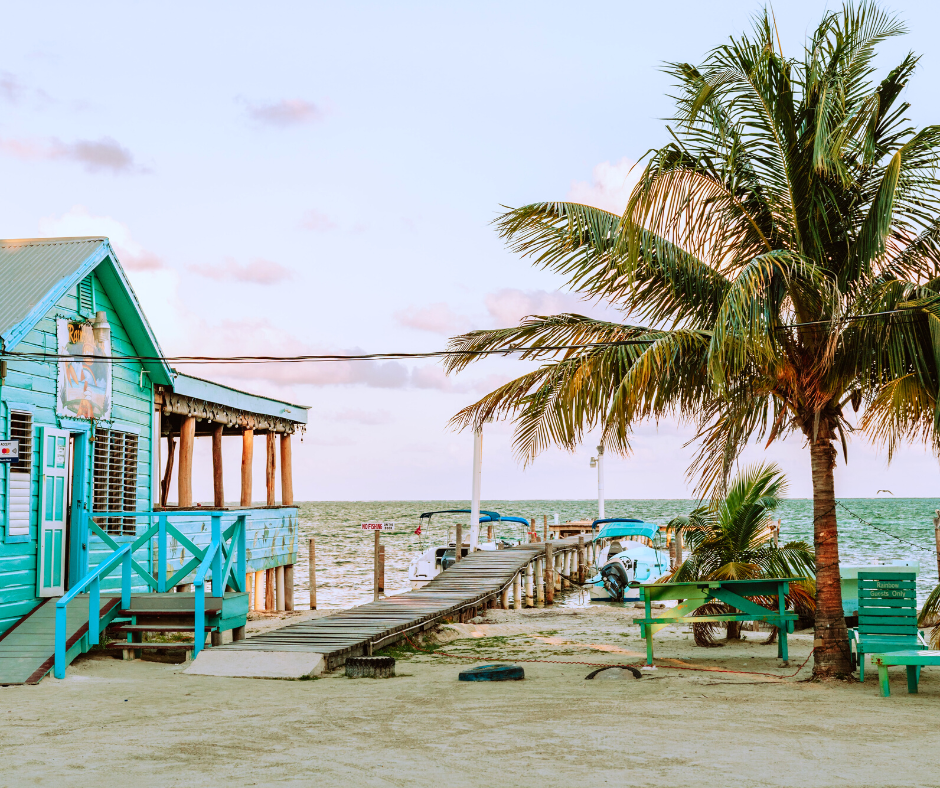 Belize for nomadsBelize is English-speaking, reef-fringed and easy to enter, but pricier than its neighbors and light on coworking. Here is how entry, costs, bases and the remote-work permit actually work in 2026.
🇧🇷 Brazil
- Length: 1 year, renewable once for a second year. Brazil created Latin America's first digital nomad visa in January 2022 (VITEM XIV under Resolution 45/2021), and its structure has remained refreshingly stable since. Two routes exist: apply at a Brazilian consulate before traveling, or apply from inside Brazil for a residence authorization on the same basis if you are already there.
- Who can apply: Remote workers and freelancers of any nationality working exclusively for employers or clients outside Brazil. Dependents can be included, adding US$60 per month per person to the income requirement.
- Income requirement: US$1,500 per month from foreign sources, or a bank balance of at least US$18,000. That is the lowest bar of any major nomad visa anywhere, a quarter of what Romania now asks. [Official information: every Brazilian consulate publishes the VITEM XIV checklist on gov.br, with applications through the e-consular system]
- Fee: Consular visa fees vary by nationality under Brazil's reciprocity rules, typically around US$100.
- Health insurance: Insurance valid in Brazil is a required document on the consular checklists, with US$30,000 the commonly cited minimum coverage.
- Income tax: Spending 184 days in Brazil within any 12-month window makes you a tax resident, taxed on worldwide income at progressive rates up to 27.5%. Shorter stays keep you outside the system.
🇨🇱 Chile
- Length: Chile has no digital nomad visa, despite what application-service sites claim: the official list of 14 temporary residence subcategories published by the Servicio Nacional de Migraciones (SERMIG) has no remote work category as of November 2026. The practical route is the tourist permit (Permanencia Transitoria): up to 90 days on arrival, extendable once by up to 90 days, so about 180 days per entry. Official information: SERMIG's Residencia Temporal page.
- Who can apply: Nationals of visa-exempt countries, including the EU, UK, US, Canada and, since September 2025, Australia, get the tourist permit at the border. Others apply for a visa at a Chilean consulate first. The long-stay residence routes rarely fit nomads: the paid-activities permit needs a Chilean employer or job offer, and the rentista permit needs steady income from real estate or financial assets.
- Income requirement: None for the tourist route. Proof of funds is part of the extension application.
- Fee: None for visa-free entry. The 90-day extension costs US$100, filed on the SERMIG online portal before the first 90 days run out.
- Remote work: SERMIG states that tourist-permit holders may not carry out paid activities in Chile without a separate work authorization. Chile has published no specific rules on remote work for foreign employers or clients, so this is a grey zone; work for Chilean clients is clearly excluded.
- Health insurance: Not required for entry. Santiago's private clinics are among the best in Latin America and expect visitors to pay or show insurance.
- Income tax: Long or repeated stays raise Chilean tax residency questions, so take advice before relying on the tourist route year after year.
 Chile and Santiago for digital nomadsChile has no digital nomad visa, but 90 days visa-free plus a 90-day extension covers most stays. Here is how to live and work in Santiago, Valparaíso and the Lake District in 2026, with real costs and verified spaces.
🇨🇴 Colombia
- Length: Up to 2 years.
- Who can apply: Citizens of around 100 visa-exempt nationalities. Others need a different visa route.
- Income requirement: 3x the Colombian minimum monthly wage: COP 5,252,715 in 2026 (roughly €1,300 per month). Resets every January. [Official information: the Cancillería's visa pages, with applications fully online]
- Fee: €44 study fee (paid on application, non-refundable) plus €106 issuance fee if approved. €150 in total.
- Health insurance: Required and specific: the Cancillería names seven coverages your policy must include, including maternity.
- Income tax: Staying 183 days or more in any 365-day window makes you a Colombian tax resident.
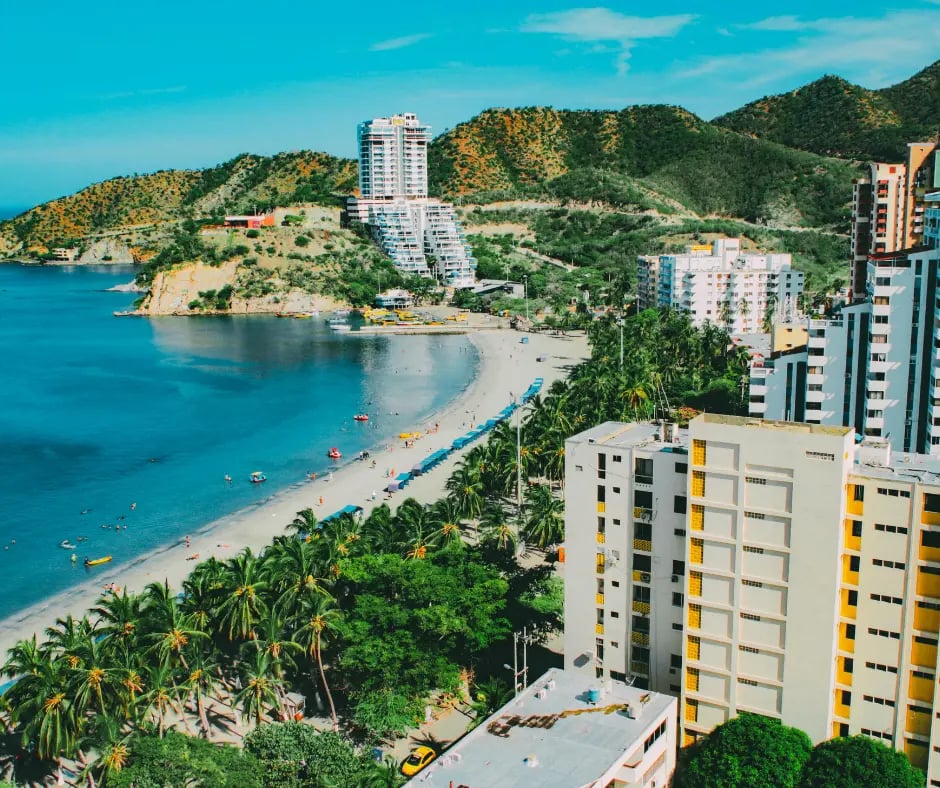 Colombia digital nomad visa: requirements and how to applyColombia runs one of the most accessible nomad visas anywhere: 2 years of legal stay, an income bar around €1,300 a month, and €150 in fees. Here is who qualifies and how to apply, step by step.
🇨🇷 Costa Rica
- Length: 1 year, extendable for a second year, with a catch worth planning around: the extension requires at least 180 days of physical presence in Costa Rica during your first year. Applications run online through the DGME's Trámite Ya platform.
- Who can apply: Remote employees, freelancers, and business owners working for clients or companies outside Costa Rica. Dependents can join, and each family member needs their own insurance coverage.
- Income requirement: US$3,000 per month for an individual; US$4,000 per month for a family group, as evidenced by bank statements. Costa Rica codified its nomad program into law (Law 10008 of 2021), so these figures are statutory rather than the product of administrative whim. [Official information: the tourism board's digital nomad page, with applications through the DGME]
- Fee: US$100 with the application plus US$90 for your residency document on approval.
- Health insurance: Named precisely in the rules: medical insurance with at least US$50,000 in coverage, valid for the entire stay, for every person on the application.
- Income tax: The law's headline perk: digital nomad visa holders are explicitly exempt from Costa Rican income tax on foreign earnings, and Costa Rica taxes territorially anyway, so foreign income stays untouched even on longer stays.
 Costa Rica digital nomad visa: requirements and how to applyYes, Costa Rica has a digital nomad visa: one year, renewable to two, on $3,000 a month in foreign income and $190 in core fees. Here is the honest 2026 guide, including the two catches the relocation sites usually miss.
🇪🇨 Ecuador
- Length: 2 years, renewable once for up to 4 years in total.
- Who can apply: Citizens of every country.
- Income requirement: About $1,446 per month (3x Ecuador's basic salary). Resets every January. [Official information: the government's procedure page for the Visa Nómada, applied through the Consulado Virtual]
- Fee: $320 in total, and the entire application happens online.
- Health insurance: Required for the entire visa period.
- Income tax: Staying 183 days or more per year generally makes you an Ecuadorian tax resident.
 Ecuador digital nomad visa: requirements and how to applyEcuador's digital nomad visa is Latin America's quiet overachiever: 2 years of residency, renewable to 4, open to every nationality, just $320 in fees, and an income bar under $1,500 a month. Here's who qualifies, what it costs, and how to apply fully online.
🇬🇹 Guatemala
- Length: Guatemala has no visa called a digital nomad visa. Since the Guatemalan Institute of Migration (IGM) issued its residence regulation in 2025 (Acuerdo IGM-016-2025), remote workers can apply for temporary residence as a migrant worker with a foreign employer, for 1 to 5 years. For shorter stays, the visa-free route gives 90 days, shared across Guatemala, El Salvador, Honduras and Nicaragua under the CA-4 agreement, extendable once for US$25 before your stay ends.
- Who can apply: Remote workers employed by a company outside Guatemala. Applications are filed in person at IGM in Guatemala City.
- Income requirement: Bank statements showing income from abroad of at least US$2,000 per month over the past year (US$3,000 with dependents), or an accountant's certificate. [Official information: the Instituto Guatemalteco de Migración, requirements as of November 2026]
- Fee: US$25 to apply, then US$200 for 1 year, US$300 for 2 years or US$500 for 3 to 5 years, per IGM's fee schedule.
- Health insurance: Not required for visa-free entry. Secondary sources (EY, November 2025) list valid health insurance for the remote-worker residence, so confirm with IGM.
- Income tax: Freelancers can apply as self-employed, but that route requires registering with the Guatemalan tax authority (RTU), which has tax consequences. Check your position with an adviser before a long stay.
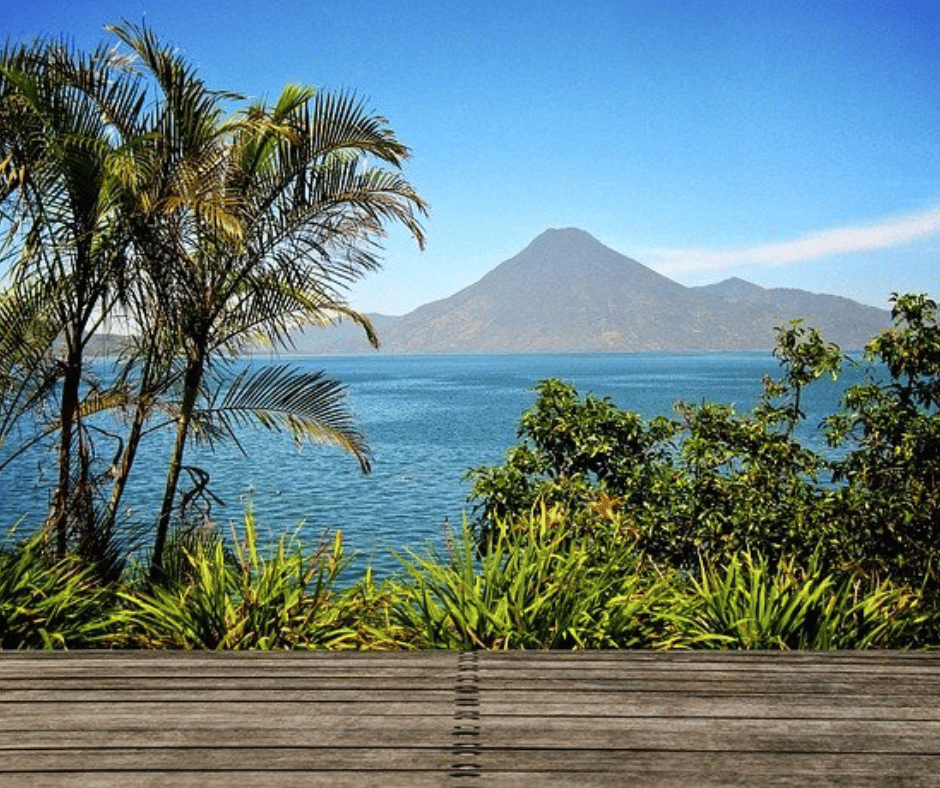 Guatemala for nomadsGuatemala has no visa called a digital nomad visa, but 90 visa-free days and a new remote-worker residence make long stays possible. Bases, real costs and the advisory, explained.
🇲🇽 Mexico
- Length: Mexico has no digital nomad visa, which surprises people, given that it may host more nomads than any other country on earth. Two real routes exist. The short one: tourist entry for up to 180 days, though border officers now grant shorter stays at their discretion, so 180 is a ceiling rather than a promise. The long one: the Temporary Resident Visa, initially 1 year, renewable up to 4 years total, with permanent residency possible afterward.
- Who can apply: Anyone who can show economic solvency. The catch that defines the whole process: you must apply at a Mexican consulate outside Mexico. Each consulate converts the official formula into local currency its own way, and some only serve residents of their district. Where you apply genuinely changes your odds. After approval, you enter Mexico and exchange the visa for your resident card at the INM within 30 days.
- Income requirement: Around US$4,400 to 4,500 per month over the previous 6 months, or roughly US$73,000 to 80,000 in average savings over the last 12 months. These figures rose again in January 2026 with the annual UMA update, and individual consulates post their own numbers (San Diego's official 2026 sheet says US$4,510). [Official information: your consulate's pages at consulmex.sre.gob.mx, each publishes its own solvency sheet]
- Fee: US$54 for the consular visa, plus the INM resident card fee in Mexico, which depends on the duration you choose and rose in 2026.
- Health insurance: Not required by most consulates for the visa. For life in Mexico, you want it regardless: private hospitals deliver excellent care and expect payment or proof of coverage at the door.
- Income tax: The Temporary Resident Visa comes with no special tax deal. Tax treatment follows Mexico’s ordinary residency rules. And those rules are not what most guides claim: Mexico’s Fiscal Code has no day threshold at all. You become a Mexican tax resident, liable on your worldwide income, when you have a home in Mexico, and, if you also keep one elsewhere, when your centre of vital interests is in Mexico, meaning more than half your income comes from Mexican sources or your main professional base sits there. The 183-day figure that circulates online isn’t Mexico’s test. In practice, a long-term base with a rented home and your economic life in Mexico usually counts, whatever your day count says, which catches people who thought careful counting kept them safe. Your home country’s obligations continue regardless (US citizens keep FEIE, FBAR and FATCA duties). Borderline or split setups deserve professional advice.
 Tax residency for digital nomads: the 183-day rule and its exceptionsStaying under 183 days doesn't make you tax-free. A calm, myth-free guide to tax residency for digital nomads: where the 183-day rule really comes from, how countries count days, the tests beyond day counts, and how seven popular countries decide.
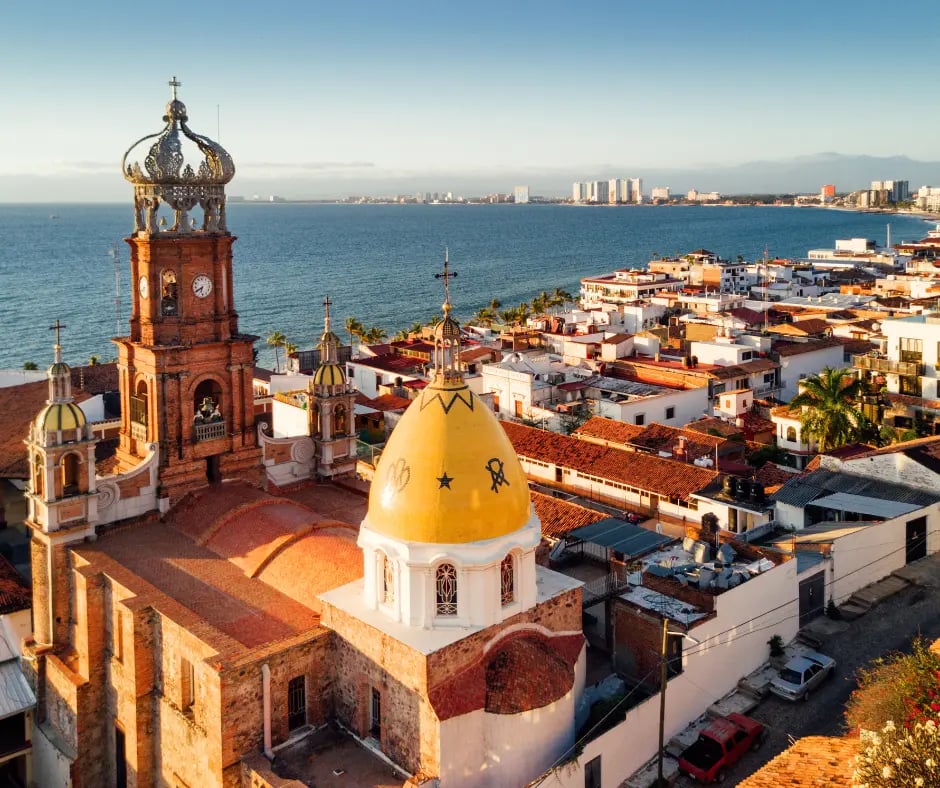 Mexico digital nomad visa: what actually exists in 2026There is no Mexico digital nomad visa, whatever the search results say. Here is what remote workers actually use in 2026, and the income bar that just rose.
🇵🇦 Panama
- Length: 9 months on the short stay visa for remote workers, extendable once for another 9 months. The visa was created by Executive Decree 198 of 2021 and is a short-stay status, not a path to permanent residency.
- Who can apply: Remote workers employed by, or providing services to, companies outside Panama, with income from abroad. Work for Panamanian employers or clients is not allowed. The application is filed inside Panama with the National Migration Service (SNM), through a Panamanian lawyer, with apostilled documents.
- Income requirement: US$36,000 per year (about US$3,000 per month). Employees can show it with an employer letter confirming at least US$3,000 per month. [Official information: the Servicio Nacional de Migración]
- Fee: US$250 for the application plus US$50 for the visa card, on top of lawyer and document costs.
- Health insurance: Health insurance valid in Panama for the whole stay is part of the requirements.
- Income tax: Panama taxes on a territorial basis, so income earned from foreign sources is generally outside Panamanian income tax. Confirm your own situation with a tax advisor.
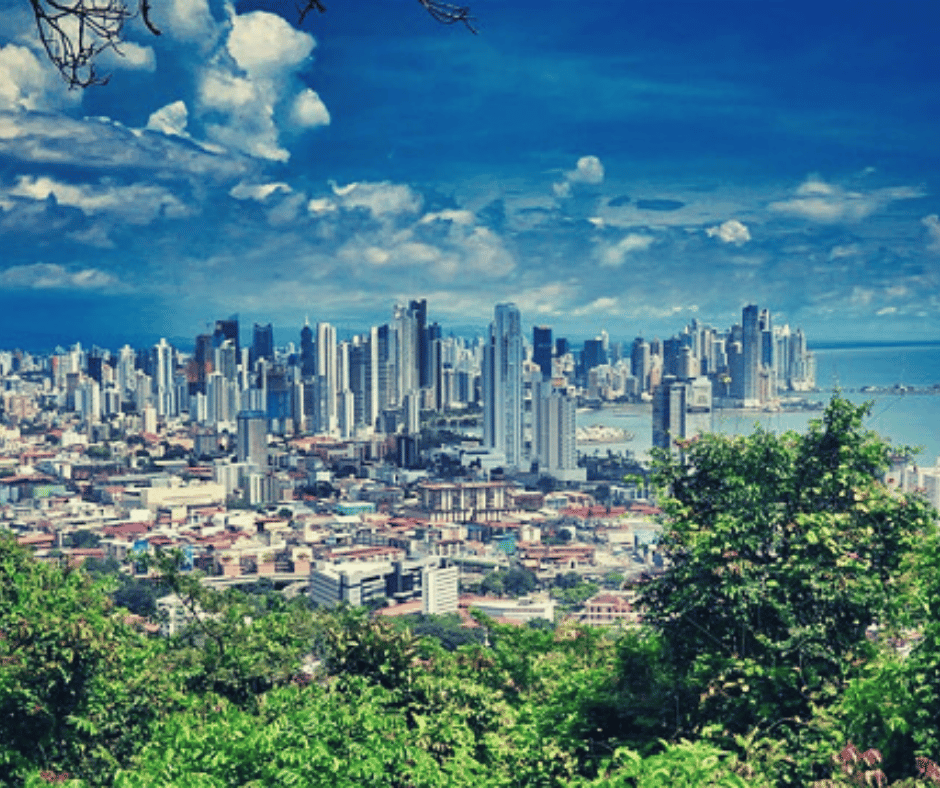 Panama for nomadsPanama is convenient rather than cheap for remote workers. Entry rules by passport, the remote worker visa, short-stay costs in euro and the best bases from Panama City to Boquete, Bocas del Toro and Playa Venao.
🇵🇪 Peru
- Length: Peru created a "digital nomad" migration category in Legislative Decree 1582 (November 2023), but as of November 2026 no procedure has been published, so Migraciones does not accept applications. The practical route is visa-free tourist entry: the border officer sets your stay, up to 183 days within 365 days. EU citizens are guaranteed 90 days within 180 under the EU-Peru visa waiver agreement.
- Who can apply: Nobody yet for the nomad category. For tourist entry, nationals of visa-exempt countries simply arrive and check the days granted with Migraciones' online stay checker.
- Income requirement: None for tourist entry. The requirements for the nomad category have not been defined.
- Fee: None for visa-free tourist entry. Overstays cost 0.1% of Peru's tax unit (UIT) per day, S/5.50 in 2026.
- Health insurance: Not required for tourist entry. Lima's private clinics expect payment, and the altitude in Cusco and Arequipa adds its own health risks.
- Income tax: Staying more than 183 days within any 12-month period generally makes you a Peruvian tax resident, so long stays deserve tax advice.
 Peru for nomadsPeru's digital nomad visa exists only on paper, so nomads stay as tourists. How long you can stay, what Lima, Arequipa and Cusco really cost, and where to work in 2026.
🇺🇾 Uruguay
- Length: 6 months, renewable once for another 6. Technically, Uruguay grants not a visa, but a provisional identity document, the hoja de identidad provisoria for digital nomads, and it comes with a perk most nomad programs never offer: it entitles you to a Uruguayan cédula de identidad, an actual national ID card, which you will in fact need for the renewal. If Uruguay wins you over, a regular residency application can be filed from within the country. Official information: the trámite page on gub.uy for the hoja de identidad provisoria.
- Who can apply: Remote workers and freelancers serving clients or employers outside Uruguay. You enter as a regular tourist first (some nationalities need a visa for that entry, so check yours) and file the application online through the gub.uy system from inside the country. The whole process runs in Spanish, and if you handle any step in person, Migración requires you to bring an interpreter if you don't speak it.
- Income requirement: None. The initial application asks for exactly two things: a copy of the passport you entered with, and a signed sworn declaration that you can support yourself, using the official template. No bank statements, no thresholds, no employer letters. The catch arrives at renewal: extending to a full year requires your Uruguayan ID card, apostilled and translated criminal record certificates from every country you lived in for 6 or more months over the last 5 years (national-scope certificates only, and Brazil's skips the translation), plus a vaccination certificate issued by a Uruguayan vaccination center. Start collecting the foreign paperwork early if you plan to stay.
- Cost: 55.71 indexed units, currently around 10 US dollars, making it the cheapest program in the Americas by a wide margin. One logistical note straight from the official page: the fee cannot be paid from abroad, so the whole thing genuinely happens after you arrive. And since the hoja is a personal identity document, there is no family application; each person, including children, files their own.
Jump to a country
🇪🇺 Europe: Bulgaria · Croatia · Cyprus · Estonia · Georgia · Greece · Hungary · Italy · Malta · Montenegro · Portugal · Romania · Slovenia · Spain
🌏 Asia: India · Indonesia · Japan · Malaysia · Philippines · South Korea · Sri Lanka · Taiwan · Thailand · UAE
🌎 America: Argentina · Barbados · Belize · Brazil · Chile · Colombia · Costa Rica · Ecuador · Guatemala · Mexico · Panama · Peru · Uruguay
🌍 Africa: Mauritius · Namibia · South Africa
🌍 Africa
| Country | Length | Income per month | Fee | Open to |
|---|---|---|---|---|
| Mauritius | 1 year, renewable | $1,500 (+$500 per dependent) | Free | Most nationalities |
| Namibia | 6 months | $2,000 | ~$180 (N$3,300) | All nationalities |
| South Africa | More than 3 months, up to 3 years | ~$3,300 (R650,976/year) | Visitor visa fee, varies | Employees of foreign companies |
🇲🇺 Mauritius
- Length: 1 year as a Premium Visa, renewable. Applications run fully online, and first responses typically arrive within 48 hours, one of the fastest turnarounds anywhere.
- Who can apply: Remote workers, freelancers, and business owners earning from outside Mauritius, with no access to the local labor market. Dependents can be included.
- Income requirement: US$1,500 per month for the main applicant, plus US$500 per month for each unmarried dependent under 24. [Official information: the Passport and Immigration Office, applied through the government's online platform]
- Fee: Nothing. The Premium Visa is completely free, the only nomad visa anywhere without a government fee.
- Health insurance: Travel and health insurance covering your entire stay is on the required document list.
- Income tax: Staying 183 days makes you a tax resident, but Mauritius taxes foreign income on a remittance basis: money transferred into a Mauritian bank account counts, while spending on foreign cards generally does not. Long stays deserve a conversation with the Mauritius Revenue Authority or a tax advisor.
🇳🇦 Namibia
- Length: 6 months, designed as a single stay. Staying longer means a fresh application rather than an extension.
- Who can apply: Remote workers employed or contracted outside Namibia. A spouse adds US$1,000 per month to the income requirement, and each child US$500. The document list is old-school: alongside a police clearance, you need a medical certificate and a radiological report.
- Income requirement: US$2,000 per month, shown through payslips, bank statements or an employment contract. [Official information: the NIPDB's digital nomad visa page, where applications are handled]
- Fee: N$3,300 (about US$180), payable on approval. Older guides still quote US$62, the fee has risen since launch.
- Health insurance: Valid international health and travel insurance is required.
- Income tax: A 6-month stay keeps you under Namibia's 183-day residency line, and Namibia taxes on a source basis anyway, so foreign earnings stay out of scope.
🇿🇦 South Africa
- Length: More than 3 months and up to 3 years on a visitor's visa for remote work, applied for before you travel at the South African mission or VFS center for your country of residence. You cannot enter as a tourist and switch.
- Who can apply: Employees of a foreign employer working remotely, with no South African employment allowed. The regulation is written around employment, so freelancers with a client roster fall outside its wording. The Home Affairs checklist asks for 3 months of bank statements and an employment contract signed by you and your foreign employer. Missions add their own paperwork, often police clearance certificates. The medical report was waived for temporary residence visas in July 2026 (Ministerial Immigration Directive 10 of 2026), and the radiological report was dropped in 2023, though older mission checklists may still list them.
- Income requirement: R650,976 gross per year (about R54,250, or roughly US$3,300, per month), as set by the Third Amendment of the Immigration Regulations gazetted on October 9, 2024. Careful: the Home Affairs application checklist prints R650,796, a transposition of the gazetted figure, so plan around the higher number. [Official sources: the Government Gazette notice and the Home Affairs requirements checklist]
- Fee: Standard visitor visa fees, varying by mission.
- Health insurance: Not on the official document list, a rarity, though some missions ask for proof of cover. For the reality of South African healthcare, where excellent private hospitals expect payment and the public system is under strain, coverage is strongly advisable anyway.
- Income tax: The rule depends on where you are tax resident. If your country has a double tax agreement with South Africa, you must register with SARS, the revenue service, once you spend more than 183 days in any 12-month period. If it does not, you must register with SARS regardless of how long you stay. Registering is a filing duty rather than an automatic tax bill, but long stays can make you a South African tax resident, so take advice before you pass 183 days.
 South Africa for nomadsCape Town, Johannesburg and the Garden Route for remote workers in 2026: realistic short-stay costs in rand and euros, how the remote work visa really works, where to cowork, and how to handle safety and power without the 2023 doom.
Jump to a country
🇪🇺 Europe: Bulgaria · Croatia · Cyprus · Estonia · Georgia · Greece · Hungary · Italy · Malta · Montenegro · Portugal · Romania · Slovenia · Spain
🌏 Asia: India · Indonesia · Japan · Malaysia · Philippines · South Korea · Sri Lanka · Taiwan · Thailand · UAE
🌎 America: Argentina · Barbados · Belize · Brazil · Chile · Colombia · Costa Rica · Ecuador · Guatemala · Mexico · Panama · Peru · Uruguay
🌍 Africa: Mauritius · Namibia · South Africa
Similar articles
 The easiest digital nomad visas and long-stay routes (2026)The easiest digital nomad visas aren't always called visas. Eight low-effort routes ranked by income bar, fees and paperwork, from Georgia's visa-free year to Ecuador's $320 visa, checked November 2026.Tax residency for digital nomads: the 183-day rule and its exceptionsStaying under 183 days doesn't make you tax-free. A calm, myth-free guide to tax residency for digital nomads: where the 183-day rule really comes from, how countries count days, the tests beyond day counts, and how seven popular countries decide.
 Emigration checklistMoving abroad means planning flights, taxes, and paperwork, but your health matters just as much. This emigration checklist covers what to do before you leave your home country and after you arrive, from medical records to health insurance.
 Upcoming nomad events & festivals in 2026-2027Compare upcoming digital nomad events and festivals for 2026/27, with dates, prices, locations, and what to expect at each.
 Honduras digital nomad visa: what actually exists in 2026Honduras doesn't have a digital nomad visa, despite the search volume implying otherwise. Here's what genuinely exists: a 90-day tourist entry (extendable), and two real residency routes, Rentista and Pensionado. Costs, requirements, and how to apply, fact-checked for 2026.