Montenegro for nomads
Updated:
 Sarah KuhlemannCommunity manager
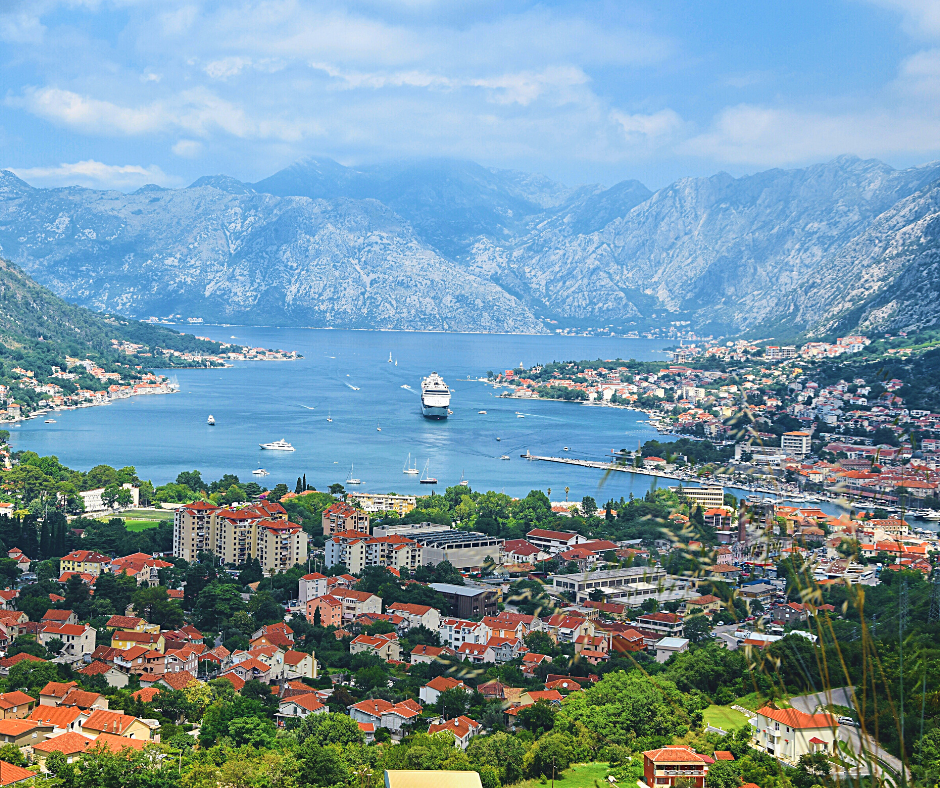
Montenegro fits a fjord-like bay, limestone mountains and medieval stone towns into a very small country. It uses the euro and sits outside both the EU and the Schengen Area, which is the headline for non-EU nomads: days in Montenegro don't count toward your Schengen 90/180. Costs generally run below neighboring Croatia, and Kotor has one of the longest-running colivings in the Balkans.
The trade-offs are real. In July and August, cruise ships fill Kotor, Budva's beaches are packed and prices peak. From November to March the coast goes quiet, rain is frequent and plenty of restaurants close. Infrastructure is thinner than in Croatia: most Tivat flights are seasonal, buses are the backbone of public transport, and many day trips are easier with a car.
🌱 Health insurance for Montenegro
Genki TravelerA travel health insurance with worldwide cover. Monthly payment plans, and easy signup in less than 1 minute.Discover Genki Traveler🎯 Montenegro at a glance
| 🛂 Visa | Visa-free for 90 days in any 180 for EU, UK, US and many other passports. Outside Schengen. Digital nomad residence permit for longer stays |
| ⏳ Max stay | 90/180 days visa-free. Up to 2 years, plus up to 2 more, on the digital nomad permit |
| 💶 Monthly budget | About €1,100 to €1,700 on the coast off-season, €2,000 to €3,200 in July and August, €950 to €1,350 in Podgorica (short stay, November 2026) |
| 🌤 Best time | May, June, September and October on the coast. June to September in the mountains |
| 🏝 Top areas | Kotor Old Town and Dobrota, Tivat, Budva, Herceg Novi, Podgorica |
| 🛜 Internet | Fiber in colivings and coworkings, 5G mobile, tourist eSIMs from €15 |
| 🛡 Safety | US advisory Level 1, normal precautions (August 27, 2026). Petty theft in summer, demanding mountain roads |
🇲🇪 Entry requirements for Montenegro
Visa-free stays. Montenegro is not in the EU or the Schengen Area. Citizens of the EU, the UK, the US, Canada, Australia and many other countries can enter without a visa and stay up to 90 days within 180 days, counted from the first entry, according to the Government of Montenegro. Check your nationality on its visa regime list before you travel.
The Schengen advantage. Montenegro keeps its own count. Days here don't count toward your Schengen 90/180, and Schengen days don't count toward Montenegro's 90, as the UK government's travel advice spells out (updated November 2026). Get your passport stamped on entry and exit so your dates are clear.
Registration within 24 hours. Hotels and registered hosts register you with the police, hosts within 12 hours. If nobody registers you, you do it yourself at the police or the local tourist organisation within 24 hours of arrival, and again in every municipality where you stay longer than 24 hours (Ministry of Interior). A small daily tourist tax is added to your bill in registered accommodation, or paid at the tourist office when you self-register. Skipping registration can mean a fine.
Digital nomad residence permit. Montenegro has a temporary residence permit for people who work online for a foreign employer or for their own company registered outside Montenegro. It sits in the Law on Foreigners and stayed in place through the amendments of January and March 2026. According to the Government's digital nomad portal (checked November 2026), you enter legally, then apply in person at the Ministry of Interior office where you live, before your 90 days run out. A complete application lets you stay until the decision. You need proof of financial means, accommodation and health insurance, a passport valid at least 3 months beyond the permit, a clean criminal record, and your employment contract or company documents. The permit lasts up to 2 years and can be extended once for up to 2 more, a new one is possible 6 months after it expires, and the decision is due within 40 days.
The official pages publish no fixed income threshold and no tax rule for permit holders. Figures in circulation (€1,800 to €2,400 a month, foreign income tax-free) come from secondary sources, so confirm them with the Ministry of Interior and a tax adviser before you count on them. Requirements and how Montenegro compares with other countries are in the visa overview:
 Countries with nomad visasWhich countries offer digital nomad visas, what do they cost, and which one fits your income and plans? Here are the programs worth knowing, with requirements, fees, and insurance rules verified against official sources.
✈️ How to get to Montenegro
- Plane: Podgorica (TGD) is the year-round gateway. Tivat (TIV) sits on the Bay of Kotor, about 12 minutes by taxi from Kotor's old town, but most of its routes run in summer.
- Via Dubrovnik: Dubrovnik (DBV) in Croatia is about 2 hours from Kotor by road, crossing the border at Debeli Brijeg. Croatia is Schengen, so arriving or leaving through Dubrovnik uses Schengen time.
- Bus: buses connect the coast and Podgorica with Croatia, Albania and Bosnia and Herzegovina.
- Train: the Belgrade to Bar railway crosses the mountains to the coast, and Montenegro Railways (ŽPCG) has sold tickets online since 2026.
🗺 Where to base yourself
- Kotor is the nomad heart of the country. Stay inside the walled Old Town for stone lanes and the coliving scene (calm in winter, crowded on cruise days), in Dobrota, a quieter bayside strip a short walk or bus ride north, or across the water in Muo and Prčanj, with views back to town, calm but easier with a car.
- Tivat is the practical bay town, minutes from the airport. Porto Montenegro is the polished marina end with cafés and services, the center along the promenade is cheaper and more local.
- Budva is the riviera's busy hub. The old town is compact and lively, and very loud in summer. The quieter edges such as Bečići, along the coastal path, suit longer stays.
- Herceg Novi is a stepped hillside town at the mouth of the bay, the closest base to Dubrovnik and calmer than Budva.
- Podgorica is the practical capital: year-round services, the main airport, coworking and the lowest rents. Not pretty, and very hot in summer.
- Žabljak in Durmitor is a mountain base for a summer stint of hiking, with the Tara canyon nearby.
💶 How much does it cost?
| Per month (November 2026) | Kotor area | Tivat | Budva | Podgorica |
|---|---|---|---|---|
| Furnished 1BR, November to May | €700–1,000 | €700–1,100 | €600–900 | €500–750 |
| Furnished 1BR, June to September | €1,500–2,500 | €1,600–2,800 | €1,650–2,400 | €500–750 |
| Coliving | €690–1,280 per 4 weeks (Kotor Nest) | €638–1,275 per 30 nights (Playworking) | – | – |
| Coworking | In the coliving or cafés | €88–205 | €150 | €150 |
| Food | €300–450 | €300–450 | €300–450 | €250–400 |
| Transport | €30–60 | €30–80 | €30–60 | €30–60 |
| Realistic total, off-season | €1,100–1,600 | €1,150–1,750 | €1,100–1,600 | €950–1,350 |
| Realistic total, July and August | €2,000–3,000 | €2,100–3,200 | €2,100–3,000 | €950–1,350 |
Coliving and coworking prices come from each operator's own site. Rents are realistic short-stay estimates for a furnished flat rented for one to three months, not a local long-term lease, which runs lower.
Summer changes everything. From June to September, many coastal owners switch to nightly rentals, so a few weeks at peak can cost more than a month off-season. Podgorica barely changes with the season.
 Europe under €1,500 a month: 10 cities checkedEurope on a budget still exists, just not where it used to. We checked 16 cities against €1,500 a month with 2026 data: here are the 10 that work, from Bansko to Palermo, with the conditions spelled out.
🧑🏻💻 Where to work from
Kotor
- Kotor Nest: Kotor's coliving pioneer, now run with Nomadico. Two homes in the Old Town with 12 private and 2 shared rooms and a coworking room for 6 to 8 people, open in two windows, October 23 to December 13 and March 1 to April 30, to avoid the cruise season. Four weeks cost €690 in a shared room, €980 in a standard room and €1,280 in a comfort room.
Tivat
- Shipyard Coworking: a bright coworking space at Bokeljska 21 in central Tivat. A day pass costs €20, a hot desk €88 a month and a dedicated desk €205 a month.
- Playworking: an active coliving running since 2017 in Bogišići on the Luštica peninsula, about 20 minutes from Tivat and Kotor, with ensuite rooms, 600 Mbps fiber, hiking, kayaking and yoga, and a 7-night minimum. Thirty nights in a standard room cost €637.50 from December to February, €765 in March, October and November, and €1,275 from April to September. The village is rural, so plan on a car or lifts.
Budva
- Hubrela: a small coworking space and meeting room on Trg Sunca in central Budva, at €10 a day, €40 a week or €150 a month.
Podgorica
- NEST Coworking: the capital's main coworking space. A day pass is €12, 14 days €110 and 30 days €150, with 24/7 access and meeting-room use on the longer passes. NEST also runs events and workshops.
👥 Finding community
Montenegro's nomad scene is small and seasonal, and it centers on the colivings. Kotor Nest has a community manager and runs hikes, shared dinners and kayak trips during its autumn and spring windows, and Playworking builds its weeks around outdoor sports. In Podgorica, NEST's events are the easiest way into the local startup and freelance crowd. In summer, the coast fills with travelers, but fewer people stay for months.
 Coliving in Europe: the best spaces for digital nomadsEurope's best coliving spaces by region and season, from an Alpine citadel to small surf towns, with prices checked November 2026 and the Schengen 90/180 maths.
 Digital nomad events in Europe 2026/27Europe runs the biggest nomad festival on earth (Bansko) and a dense spring-to-autumn calendar of summits, island retreats and community weeks around it. The season is long, roughly April to December, and spread from the Bulgarian mountains to the Canary Islands, so the planning question is less "is there an event" and more "which three can I string together without crossing the continent twice."
🛜 Internet and SIM cards
Colivings and coworkings advertise fiber (Playworking lists 600 Mbps), and mobile data is cheap and generous. One's tourist packages cost €15 for 500 GB over 15 days and €20 for 1 TB over 30 days, each with extra data for roaming across the Western Balkans, and you can buy them as an eSIM online. m:tel and Crnogorski Telekom sell similar tourist packages.
EU SIM users, watch out. Montenegro is not part of the EU's Roam Like at Home area. The European Commission only opened negotiations to bring in the Western Balkans on November 6, 2026, with no start date yet. Until then, your home operator can charge roaming prices here, so switch off data roaming on arrival unless your plan names Montenegro.
The simplest way to stay connected is a global eSIM from Pangia: one plan that covers Montenegro and whatever country comes next. For a month or more on the coast, a local tourist eSIM is hard to beat on price.
🌤 When to go where
| J | F | M | A | M | J | J | A | S | O | N | D | |
|---|---|---|---|---|---|---|---|---|---|---|---|---|
| Bay of Kotor | 🌧 | 🌧 | ⛅ | ☀️ | ☀️ | ☀️ | 🥵 | 🥵 | ☀️ | ☀️ | 🌧 | 🌧 |
| Budva riviera | 🌧 | 🌧 | ⛅ | ⛅ | ☀️ | ☀️ | 🥵 | 🥵 | ☀️ | ☀️ | 🌧 | 🌧 |
| Podgorica | ⛅ | ⛅ | ⛅ | ☀️ | ☀️ | ☀️ | 🥵 | 🥵 | ☀️ | ☀️ | ⛅ | ⛅ |
| Mountains (Žabljak) | ❄️ | ❄️ | ❄️ | ❄️ | ⛅ | ☀️ | ☀️ | ☀️ | ☀️ | ⛅ | ❄️ | ❄️ |
☀️ best · ⛅ mild or mixed · 🌧 rainy and quiet · 🥵 hot and crowded · ❄️ snow and cold
Late spring and early autumn are the sweet spots on the coast: a swimmable sea, open restaurants and normal prices. July and August bring heat, cruise crowds in Kotor and peak prices, while Podgorica gets very hot. Winter is quiet and wet on the coast, with many places closed, and the mountains turn to snow and ski season.
🚌 Getting around Montenegro
- Bus: the backbone of public transport, linking Herceg Novi, Kotor, Tivat, Budva and Podgorica several times a day. Off-season timetables thin out.
- Car rental: opens up the mountains, monasteries and lakes that buses barely serve. Roads are narrow and winding. The Auto-Moto Association of Montenegro (+382 19807) gives English-speaking roadside assistance and road-closure information.
- Kamenari to Lepetane ferry: crosses the narrowest point of the bay in a few minutes and saves the long drive around. €5 per car, free for foot passengers.
- Taxis: the easy way to cover short hops. Ask your host for a reliable local company and check the fare before you set off.
- Train: the line from Bar via Podgorica into the mountains and on to Belgrade is slow, but the scenery is the reason to ride it.
🚧 Safety
Montenegro is a Level 1 destination in the US travel advisory (exercise normal precautions, issued August 27, 2026), and Canada's advice is the same. The day-to-day issues:
- Petty theft in summer: pickpocketing and ATM theft rise in the tourist season in Budva and Kotor. Shield your PIN and watch your bag in crowds.
- Roads: mountain roads are narrow, winding and often unlit, and local driving can be fast. Drive defensively and skip mountain passes in bad weather.
- Registration: an unregistered stay can get you fined, so treat the 24-hour registration as part of staying safe.
🏥 Healthcare
The public system offers limited care for visitors. Private clinics in Podgorica and the coastal towns handle most everyday problems, some with English-speaking staff. Serious cases may need treatment or evacuation abroad, which is expensive, so make sure your insurance covers it.
The EU's EHIC does not work here, because Montenegro is not in the EU. A few countries have their own agreements: UK nationals get free emergency treatment with their passport but pay for prescribed medicines and other care (NHS), and people insured in Germany or Austria need a certificate from their insurer before travel, if they are still in their home system. Australians have no agreement and pay for everything. These agreements only cover emergencies in the public system.
🎖 Must see
- Bay of Kotor: a deep, fjord-like bay ringed by mountains and stone villages, best seen from the water.
- Kotor fortress: about 1,350 steps up the old walls to St John's fortress for the classic bay view. Go early to beat the heat. There is an entry fee at the gates.
- Perast and Our Lady of the Rocks: a baroque village of captains' houses, and a short boat ride to the island church.
- Lovćen and the Njegoš Mausoleum: a winding mountain road and a final staircase lead to the mausoleum on Jezerski vrh, with views over the coast and the interior.
- Durmitor and the Tara canyon: the Black Lake, high trails and Europe's deepest canyon, with rafting in summer.
- Lake Skadar: boat trips through water lilies and wine villages around Virpazar.
- Ostrog Monastery: a white monastery built into a cliff face, one of the Balkans' major pilgrimage sites.
❓ Frequently asked questions
No. Montenegro is not in the EU or the Schengen Area, so days there don't count toward the Schengen 90/180 rule. Its own visa-free limit for most Western passports is 90 days within 180.
It has a digital nomad temporary residence permit, still in force in 2026. You enter legally, apply in person at the Ministry of Interior, and get up to 2 years, extendable once by up to 2 more. Confirm income and tax rules with the Ministry, as the official pages don't list them.
Not at EU rates. Montenegro is outside the EU's Roam Like at Home area, and negotiations only opened in November 2026. Use a local tourist eSIM (from €15 for 500 GB) or a global eSIM.
Up to 90 days within 180 visa-free for most Western passports, with registration within 24 hours of arrival. For longer, apply for the digital nomad permit before your 90 days end.
Off-season, yes: a month on the coast runs about €1,100 to €1,700, and less in Podgorica. July and August are a different story, when coastal rents can double or more.
Kotor in autumn or spring for the coliving community and old-town life, Tivat for practical services by the airport, or Podgorica for a year-round, budget-friendly city base.
Traveling that area? Check out Montenegro's neighborhood.
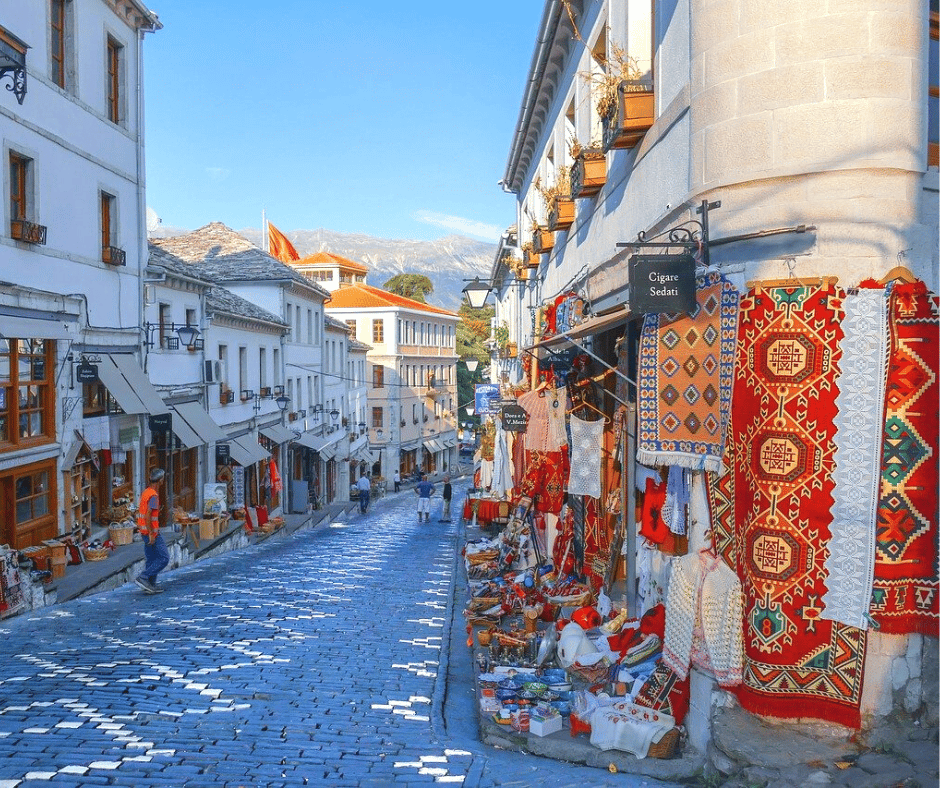 Albania for nomadsA visa-free year for Americans, 90 days for most others, a real nomad permit, and Mediterranean coast at Balkan prices. Here is where to base yourself in Albania in 2026 and what it really costs.
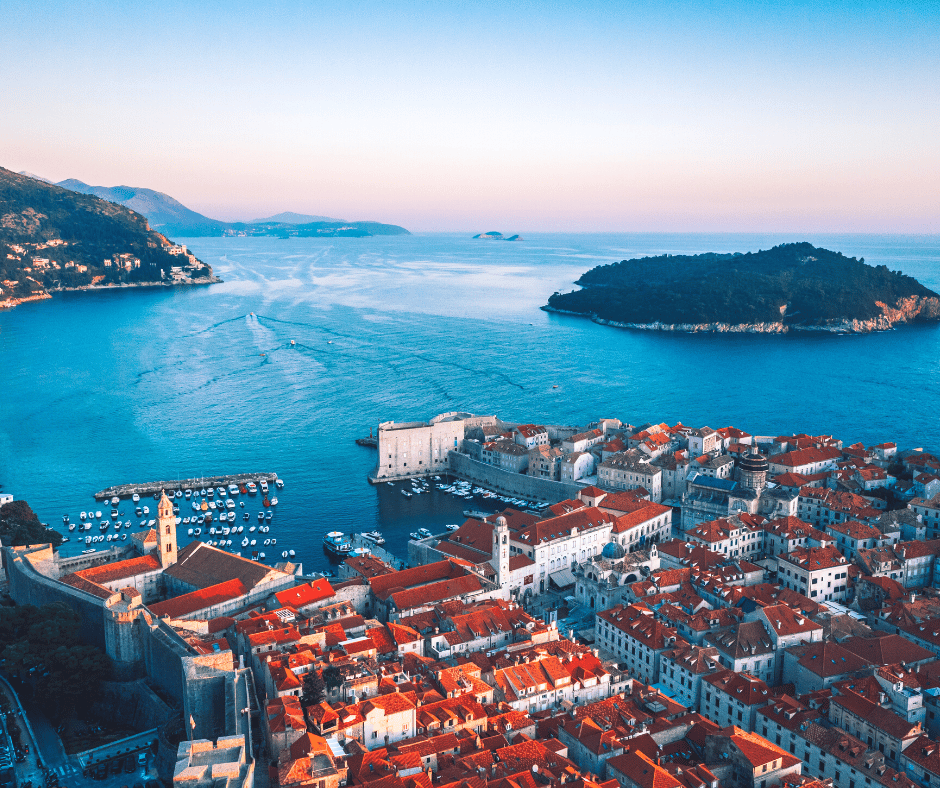 Croatia for nomadsCroatia's digital nomad permit, the best bases from Zagreb to Istria, verified coworking spaces and realistic 2026 costs for summer and the off-season.
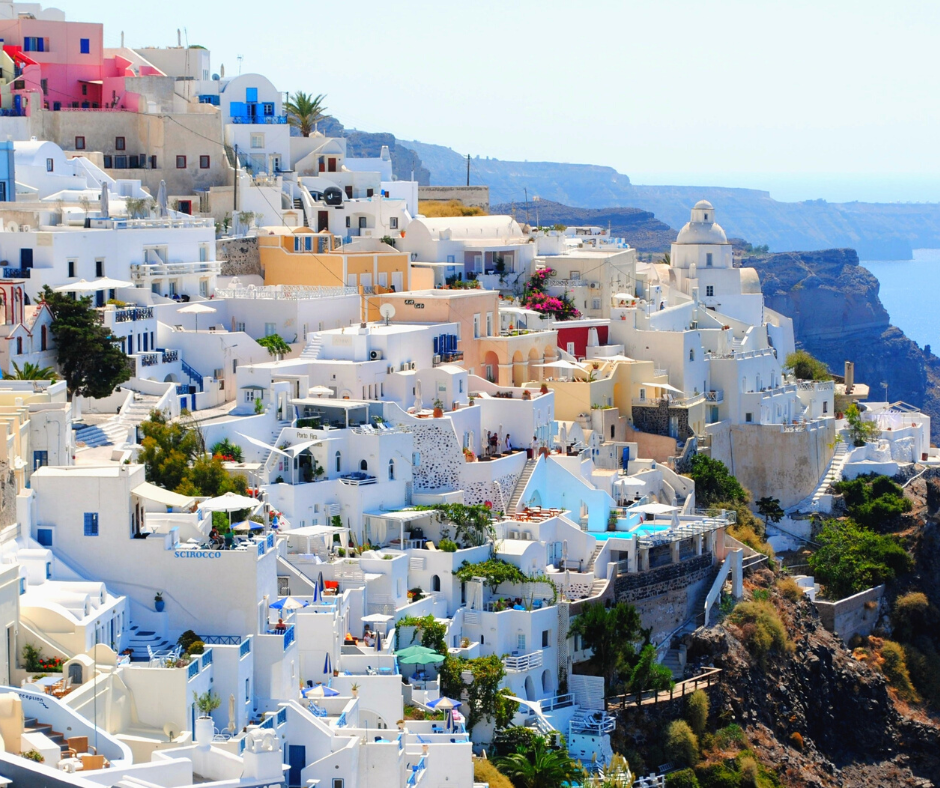 Greece for nomadsGreece has a real nomad visa, but since February 2026 you apply at a consulate before you travel. Athens, Thessaloniki, Crete and Syros compared, with short-stay costs and spaces checked in November 2026.
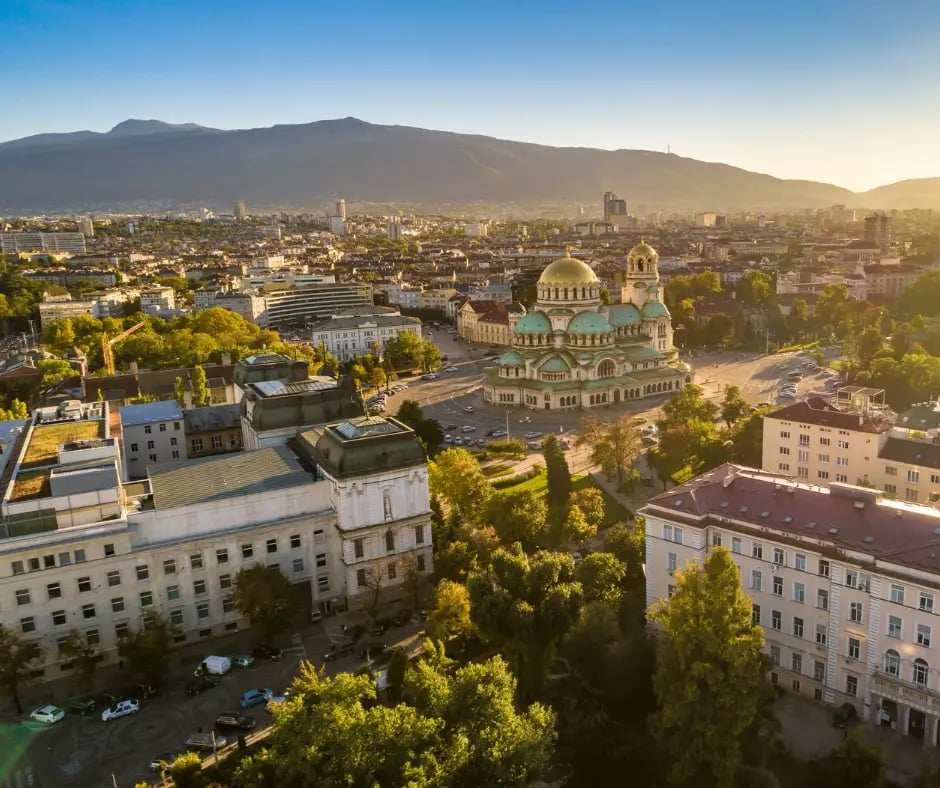 Bulgaria for nomadsWhere to base yourself in Bulgaria as a remote worker, from Bansko's ski-town scene to Sofia, with one-month costs in euro and what Schengen membership changes.
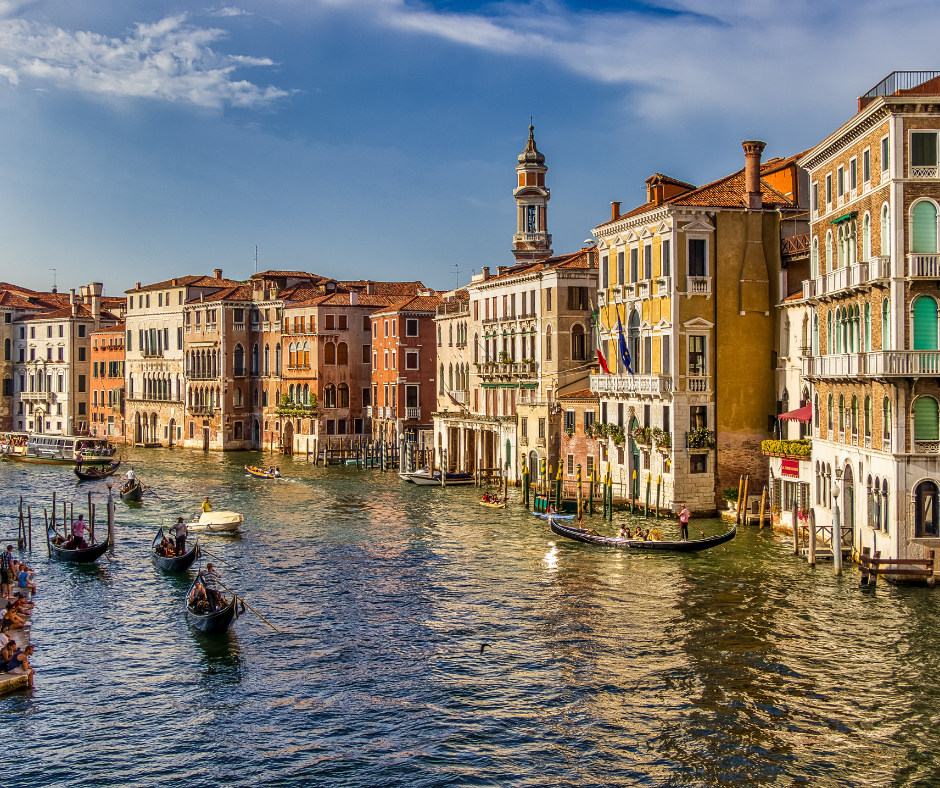 Italy for nomadsA digital nomad visa with a lower income bar than Spain or Portugal, the best food and art in Europe, and everything from Alpine lakes to Sicilian beaches within a few hours' train ride. Here is how to live and work in Italy in 2026.