Greece for nomads
Updated:
 Sarah KuhlemannCommunity manager
Greece gives remote workers a rare mix: sunny winters on the coast, some of Europe's best everyday food, islands within a few hours of a capital city, and a real digital nomad visa with a path to a two-year residence permit. Athens has the coworking spaces and the community, Thessaloniki the better value, and Crete a year-round island life with two cities of its own.
The honest side: July and August bring heatwaves and crowds, many small islands shut down from November to April, and furnished flats in central Athens are scarce and expensive for short stays. If you need the nomad visa, plan ahead: since February 2026 you have to get it at a Greek consulate before you travel. This guide covers all of it, with costs and spaces checked in November 2026.
🌱 Health insurance for Greece
Genki TravelerA travel health insurance with worldwide cover. Monthly payment plans, and easy signup in less than 1 minute.Discover Genki Traveler🎯 Greece at a glance
| 🛂 Visa | Schengen: 90 days in any 180 visa-free for US, UK, Canadian, Australian and many other passports. Digital nomad visa for longer stays, applied for at a Greek consulate before you travel |
| ⏳ Max stay | 90/180 days visa-free. On the nomad route: a 12-month visa, then a 2-year residence permit, renewable |
| 💶 Monthly budget | About €1,100 to €1,600 on Syros or Crete outside summer, €1,300 to €1,900 in Thessaloniki, €1,600 to €2,400 in central Athens (furnished short stay, November 2026) |
| 🌤 Best time | April to June and September to October. Coast mild in winter, July and August very hot |
| 🏙 Top areas | Athens (Koukaki, Pangrati, Kolonaki, Kypseli, Glyfada), Thessaloniki (Ladadika, Ano Poli), Chania, Heraklion, Syros |
| 🛜 Internet | Median fixed broadband about 93 Mbps (Ookla, January 2026), fiber spreading in cities, strong 5G |
| 🛡 Safety | Low violent crime. Pickpocketing in central Athens, transport strikes, and wildfire and heat risk in summer |
🇬🇷 Entry requirements and the digital nomad visa
- EU, EEA and Swiss citizens: no visa. You can live and work in Greece with an ID card under EU free movement.
- Visa-exempt non-EU citizens (US, UK, Canada, Australia and others): up to 90 days in any 180-day period in the whole Schengen Area, not per country. Days in Italy, Spain or Bulgaria count toward the same 90.
- Entry/Exit System (EES): the EU's biometric border system now registers non-EU short-stay visitors with fingerprints and a photo on arrival, as the UK travel advice for Greece notes. Allow extra time at the border on your first entry.
Greece's digital nomad visa
Greece runs a two-step system for non-EU remote workers who earn from employers or clients outside Greece:
- Step 1, the visa: a national Type D digital nomad visa, valid for 12 months.
- Step 2, the permit: before the visa runs out, you apply in Greece for a Digital Nomad Residence Permit, valid for 2 years and renewable.
- The 2026 rule change: since February 2026 you have to apply for the visa at the Greek consulate responsible for your place of residence before you travel. Law 5275/2026 (Government Gazette A' 17, 6 February 2026) removed the old route of entering as a tourist and applying from inside Greece. The law is published on the Ministry of Migration and Asylum site.
- Income: at least €3,500 a month net, after tax, plus 20% for a spouse or partner and 15% for each child. Your employer or clients must be outside Greece, and you sign a declaration that you will not work for Greek companies.
- Fees: €75 for the visa plus a €150 administrative fee at the consulate. Converting to the 2-year residence permit costs about €1,000, plus €150 per family member.
- Health insurance: private health insurance covering the whole stay is part of the application.
Tax, briefly. Spending more than 183 days in Greece in a year generally makes you a Greek tax resident. Greece also has a regime that taxes newcomers on only 50% of their income for up to seven years (Article 5C of the Income Tax Code, Law 4172/2013). The catch for nomads: the regime is written for income from employment or business activity arising in Greece, so whether remote workers paid by foreign employers or clients qualify is genuinely disputed. Treat this as general information, not tax advice, and get cross-border tax advice before you count on it. The 183-day rule and its exceptions and the digital nomad tax guide explain the basics.
Requirements, documents and how Greece compares with other countries are in the visa overview:
 Countries with nomad visasWhich countries offer digital nomad visas, what do they cost, and which one fits your income and plans? Here are the programs worth knowing, with requirements, fees, and insurance rules verified against official sources.
✈️ How to get to Greece
- Plane: Athens (ATH) is the main hub, with direct flights from across Europe and the Middle East. Thessaloniki (SKG) serves the north. For Crete, fly into Heraklion (HER) or Chania (CHQ), both with many European connections in summer and fewer in winter.
- From the airport into Athens: metro line 3 runs to the center for €9, and the express buses cost €5.50, according to the City of Athens visitor guide.
- Ferry from Italy: Minoan Lines sails from Ancona and Brindisi to Igoumenitsa and Corfu, and Superfast Ferries also runs Adriatic routes. A good option if you travel with a car or lots of luggage.
- Train: no cross-border passenger trains run into Greece at the moment. Hellenic Train lists only domestic routes (checked November 2026). From Sofia or Skopje, take an international bus to Thessaloniki instead.
🗺 Where to base yourself
Athens is where most nomads start: the biggest coworking scene, weekly community events run by Nomad Hub Greece, the main airport and ferries from Piraeus to the islands. Koukaki, just below the Acropolis, is walkable and café-lined, with the metro at Syngrou-Fix. Pangrati is the local favorite: tavernas, bars and the green Pangrati park, a short walk from the Panathenaic Stadium. Kolonaki is the polished, pricier option on the slopes of Lycabettus, with boutiques and cafés. Kypseli, north of the center, is cheaper and multicultural, with Fokionos Negri as its pedestrian spine. If you want the sea, the Athens Riviera (Glyfada and further south) gives you beaches and a calmer pace, about an hour from Syntagma by tram.
Thessaloniki is Greece's second city and the value pick: a long seafront promenade, a big student population, an excellent food scene and lower rents than Athens. Ladadika, the restored old warehouse quarter by the port, puts you near bars and restaurants. Ano Poli, the old upper town below the Byzantine walls, is quieter, with views over the bay. The city's metro opened in 2024.
Crete is the island that works all year, with two real cities. Chania has the Venetian harbor, the old town and beaches nearby, and is the more scenic base. Heraklion is bigger and more practical: the island's main airport, ferries to Piraeus, a university and the municipality's own digital nomad portal with working places, transport and health information.
Syros is the island pick for outside summer. Its capital Ermoupoli is the administrative center of the Cyclades, so it stays alive in winter: a general hospital, a university department, a small coworking space and year-round ferries to Piraeus. Neoclassical mansions, a working port and a calm pace make it a good place for a slower month.
Summer-only islands: Santorini, Mykonos, Milos, Paros and most small Cyclades are wonderful from May to October, but many restaurants, rentals and ferries wind down from November to April. Visit them as trips rather than winter bases.
💶 How much does it cost?
| Per month (November 2026) | Syros (off-season) | Crete (Chania, Heraklion, off-season) | Thessaloniki | Athens (central) |
|---|---|---|---|---|
| Furnished 1BR, 1 to 3 months | €550–850 | €650–1,000 | €700–1,100 | €950–1,500 |
| Coworking | €30 a week | €150–290 | €120–150 + VAT | €140–220 |
| Food | €300–450 | €300–450 | €300–450 | €350–500 |
| Utilities, if not included | €100–180 | €100–180 | €100–200 | €100–200 |
| Transport and phone | €20–50 | €50–100 | €30–60 | €40–70 |
| Realistic total | €1,100–1,600 | €1,300–1,900 | €1,300–1,900 | €1,600–2,400 |
These are short-stay figures for a furnished flat rented for one to three months, the way most nomads arrive, not a local long-term lease. For comparison, Numbeo's November 2026 data puts long-lease rents for a central one-bedroom at a median of about €654 in Athens, €554 in Thessaloniki, €594 in Heraklion and €523 in Chania. Furnished, flexible stays cost noticeably more, and the table builds that in.
Summer changes everything. From June to September, many owners switch to nightly rentals, and monthly prices in Athens, Crete and the islands can rise by half or more, if you find a monthly rental at all. Book summer stays early or come in spring and autumn.
Athens rental rules. Since January 1, 2025, no new properties can be registered for short-term rental in the 1st, 2nd and 3rd municipal districts of Athens, which cover the historic center and neighborhoods such as Koukaki, Kolonaki, Pangrati and Exarchia. A joint ministerial decision (225563/2025) extended the freeze to December 31, 2026, and the government announced in September 2026 that it will run until the end of 2027. Flats already registered can keep operating. For nomads, it means the supply of short-stay flats in central Athens is not growing, so book early and consider Kypseli or the Riviera too.
 Europe under €1,500 a month: 10 cities checkedEurope on a budget still exists, just not where it used to. We checked 16 cities against €1,500 a month with 2026 data: here are the 10 that work, from Bansko to Palermo, with the conditions spelled out.
🧑🏻💻 Where to work from
Athens
- Impact Hub Athens (Karaiskaki 28, Psyrri): a neoclassical building with a social-impact community. €18 a day, 40 hours a month for €70, unlimited for €170, or €200 with a fixed desk.
- ViOS Downtown (Fidiou 9, near Omonia): a large wellness-focused space with phone booths and a gym in its premium plans. Hot desk day pass from €19 plus 24% VAT. Its monthly prices are based on 12-month contracts, so it suits longer stays.
- T16 (Tzaferi 16, Gazi): a converted factory with a café, pool table and fiber up to 1 Gbps. Prices on request.
Thessaloniki
- ToWork (Vasilissis Olgas 83): a quiet coworking space east of the center. Hot desks from €120 and dedicated desks from €140 a month, plus 24% VAT.
- i4G Pro (Egnatia 154): a coworking space and startup incubator with private offices and events. Prices on request.
Crete
- Workhub Chania (Iroon Polytechniou 43): Chania's established coworking space with 1 Gbps fiber and 24-hour access on weekdays. Hot desk €17 a day, €78 a week or €288 a month, dedicated desk €338 a month.
- Kipseli (Smyrnis 30, Chania): a creative coworking space a few minutes from the old town and the central bus station. Day pass €16, 10-day pass €120, flexible desk €150 a month, dedicated desk €250.
- Heraklion: the municipality's digital nomad portal lists the city's working places, including an office booth at the municipal youth center's art café. Check opening hours and availability with each space before you plan around it.
Syros
- Apano Meria coworking (Episkopiou 7, Ermoupoli): a small coworking space run by a local social cooperative, near the general hospital. Open Monday to Friday, 10:00 to 17:00, €8 a day or €30 a week. Book at least 24 hours ahead.
Coliving
- Ilior (Victoria area, central Athens): small coliving clusters of private studios with their own bathrooms around shared kitchens, lounges and a coworking area, all-inclusive for a fixed monthly price. Stays are by application, and prices are on request.
- Greek Escape (Gerani, near Rethymno, Crete): villa coliving with pools, a coworking area with Starlink internet, weekly communal dinners and an on-site facilitator. Single rooms in its Nevelo villas start at €1,100 a month, according to the operator's December 2025 price update, and weekly stays are possible.
Prices change often, and several spaces quote without Greece's 24% VAT, so confirm current rates before you commit.
👥 Finding community
- Nomad Hub Greece is the easiest way into the Athens scene: a community of digital nomads, expats and locals that runs a free game night every Tuesday at 8 pm, plus city walks, coworking sessions, networking evenings, island trips and retreats. Upcoming dates and venues are on its events calendar, and its Meetup group has close to 3,000 members.
- Athens Nomad Fest is the city's annual nomad gathering. The 2026 edition ran from 18 to 25 September with talks, workshops and an optional trip to Kalamata. Check the site for the next dates.
- The coworking spaces are the other way in: Stone Soup and Impact Hub in Athens both run regular community events.
- Outside Athens, the scene is smaller. In Chania and Heraklion, coworking spaces and local Facebook groups are where newcomers connect.
🛜 Internet and SIM cards
Greek internet has improved fast. Ookla's Speedtest Global Index put Greece's median fixed broadband at about 93 Mbps in January 2026, up 24 places in a year, and fiber is spreading in the cities. Older buildings often still run on VDSL, so ask your host for a speed test before you book. Coworking spaces like Workhub and T16 advertise fiber up to 1 Gbps.
The three mobile operators are Cosmote, Vodafone and Nova, all with 5G in the cities. Prepaid SIMs are sold at the airport and in operator shops and need your passport for registration. An EU SIM works in Greece at no extra cost under EU roaming rules. If Greece is one stop of several, a global eSIM saves you the shop visit:
🌤 When to go where
| J | F | M | A | M | J | J | A | S | O | N | D | |
|---|---|---|---|---|---|---|---|---|---|---|---|---|
| Athens | ⛅ | ⛅ | ⛅ | ☀️ | ☀️ | ☀️ | 🥵 | 🥵 | ☀️ | ☀️ | ⛅ | ⛅ |
| Thessaloniki | ❄️ | ❄️ | ⛅ | ☀️ | ☀️ | ☀️ | 🥵 | 🥵 | ☀️ | ☀️ | ⛅ | ❄️ |
| Crete (Chania, Heraklion) | ⛅ | ⛅ | ⛅ | ☀️ | ☀️ | ☀️ | 🥵 | 🥵 | ☀️ | ☀️ | ☀️ | ⛅ |
| Cyclades (Syros and summer islands) | 🌬 | 🌬 | ⛅ | ☀️ | ☀️ | ☀️ | 🌬 | 🌬 | ☀️ | ☀️ | ⛅ | 🌬 |
☀️ best · ⛅ mild or mixed · 🥵 hot · 🌬 windy · ❄️ cold
Spring (April to June) and autumn (September to October) are the sweet spots almost everywhere: warm sea from June, comfortable cities and normal prices. July and August bring heatwaves, especially inland and in Athens, and peak crowds on the islands. In the Cyclades, the strong northerly meltemi wind blows mostly in July and August and can cancel ferries. Winter is mild on the coast and in Crete but rainy, colder in Thessaloniki, and quiet on the islands, where ferry schedules thin out.
Wildfire risk is high from April to October, according to the UK travel advice. Make sure your phone receives emergency alerts from the 112 service, and never light fires outdoors.
🚌 Getting around
- Athens public transport: metro, tram, buses and trolleys share one fare: €1.20 for 90 minutes, €4.10 for 24 hours or €8.20 for five days, according to the City of Athens visitor guide. Tap a contactless bank card or phone at the readers, or buy a reloadable ATH.ENA ticket or card at metro stations. The airport line costs extra (€9 by metro, €5.50 by express bus).
- Trains: Hellenic Train connects Athens and Thessaloniki daily on the main north-south line. Delays and disruptions are common, so leave buffer time.
- Intercity buses: regional KTEL buses connect the mainland and the bigger islands, including Crete, where they are the main public transport between towns.
- Ferries: Blue Star Ferries, Minoan Lines and other operators sail from Piraeus and Rafina to the islands, including year-round routes to Syros and Crete. Book summer and holiday crossings ahead, check winter timetables before you commit to an island, and expect weather cancellations in strong wind.
- Domestic flights: the fastest way to reach Crete, Thessaloniki or Rhodes from Athens, with frequent connections.
- Car rental: the easiest way to explore Crete and the mainland beyond the cities. Not worth it in central Athens.
🚧 Safety
Greece is a safe country for visitors, with low violent crime. The UK travel advice (updated November 3, 2026) highlights a few things worth knowing:
- Petty theft: thefts of passports, wallets and bags are common on the metro and in crowded tourist areas, particularly in central Athens.
- Strikes and protests: regular strikes, sometimes at short notice, disrupt buses, trains, ferries and flights. Demonstrations often gather around the main squares in central Athens, where police may use tear gas. Keep your distance.
- Wildfires, heat and floods: wildfire risk is high from April to October, heatwaves hit in summer, and flash floods can follow heavy winter rain. Keep emergency alerts on and follow 112's instructions.
- Emergency number: 112 for all emergencies, or 166 for an ambulance.
🏥 Healthcare
EU citizens should bring their European Health Insurance Card (EHIC), which gives access to the Greek public system (EOPYY) on the same terms as locals. Everyone else needs private health insurance, which the nomad visa requires anyway.
Treatment is generally good on the mainland but can be limited on the islands, and some islands have serious ambulance shortages, according to the UK travel advice. Athens has large private hospitals such as Hygeia, Metropolitan Hospital and the Athens Medical Group. On small islands, serious cases often need a transfer to a larger hospital on Crete or the mainland, so check that your insurance covers medical evacuation. Syros and both Cretan cities have general hospitals, one reason they work as year-round bases.
🎖 Must see
- The Acropolis: the standard ticket costs €30 all year, with timed entry, so book a slot on the official Hellenic Heritage site (hhticket.gr). Go at opening time or in the late afternoon to avoid the heat and the crowds. The Acropolis Museum has a separate ticket.
- Delphi: the sanctuary of Apollo on the slopes of Mount Parnassus, an easy day or overnight trip from Athens by bus.
- Meteora: monasteries on top of rock pillars near Kalambaka, in central Greece. Best as an overnight trip.
- Santorini and Milos: volcanic islands for a few days in spring or autumn, rather than a working month.
- Samaria Gorge: one of Europe's longest gorge hikes, in western Crete, open in the warmer months.
- Thessaloniki's waterfront: the seafront walk from the port past Aristotelous Square to the White Tower, best at sunset.
❓ Frequently asked questions
Yes. Non-EU remote workers earning at least €3,500 a month net from outside Greece can get a 12-month digital nomad visa, then a 2-year residence permit that can be renewed. Fees are €75 plus a €150 administrative fee for the visa, and about €1,000 for the residence permit.
No, not since February 2026. Law 5275/2026 removed the route of entering as a tourist and applying in Greece. You now get the visa at the Greek consulate for your place of residence before you travel, then convert it to the residence permit in Greece.
About €1,600 to €2,400 for a short stay in a furnished flat in central Athens, including coworking, food, utilities and transport (November 2026). Summer stays cost more, and a local long-term lease costs less.
Athens for community, coworking and connections, Thessaloniki for value and city life, Chania or Heraklion for a year-round island base, and Syros for a quiet island month outside summer.
Yes, on the bigger ones. Crete and Syros have year-round populations, hospitals and ferries. Many smaller Cyclades islands largely close from November to April, and winter ferries run less often.
Yes. Non-EU visitors get 90 days in any 180-day period across the whole Schengen Area, so days in Greece count toward the same limit as Italy, Spain or Bulgaria. For longer stays, you need a national visa such as the digital nomad visa.
Traveling that area? Check out Greece's neighborhood.
 Cyprus for nomadsCyprus is in the EU but not yet in Schengen, with a capped nomad visa and four very different bases. Larnaca, Paphos, Limassol and Nicosia compared, with realistic 2026 short-stay costs and the honest catches.
 Bulgaria for nomadsWhere to base yourself in Bulgaria as a remote worker, from Bansko's ski-town scene to Sofia, with one-month costs in euro and what Schengen membership changes.
 Turkey for nomadsTurkey has a real digital nomad visa, its own 90/180 rule and costs from about €950 a month. Istanbul, Izmir, Antalya and the coast in 2026, with verified spaces and euro prices.
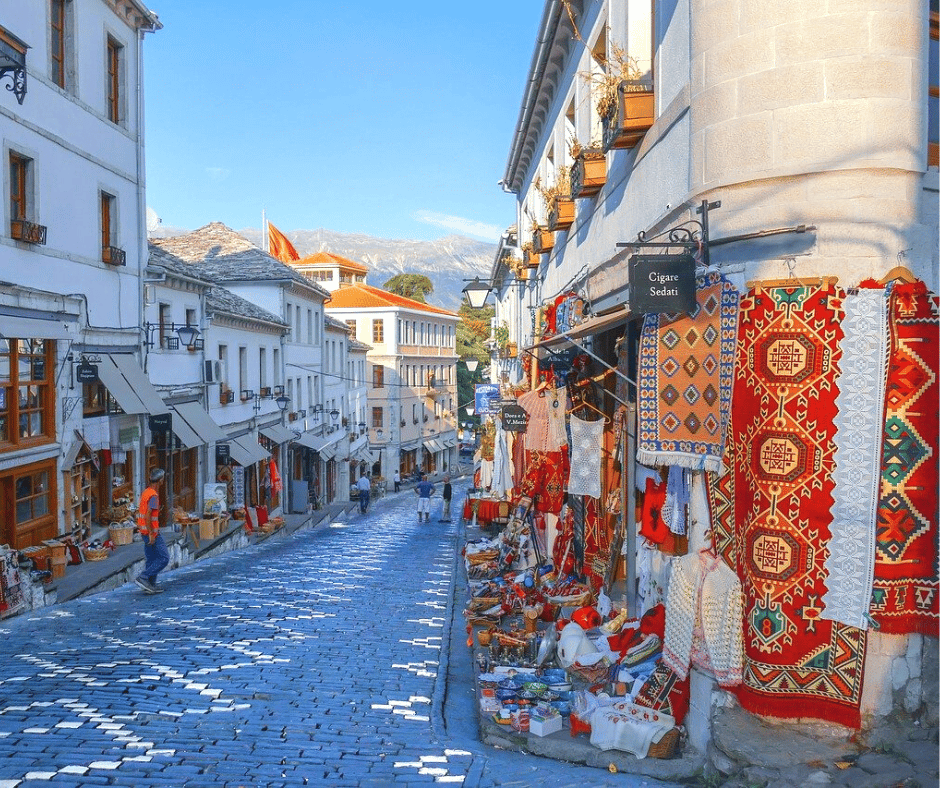 Albania for nomadsA visa-free year for Americans, 90 days for most others, a real nomad permit, and Mediterranean coast at Balkan prices. Here is where to base yourself in Albania in 2026 and what it really costs.
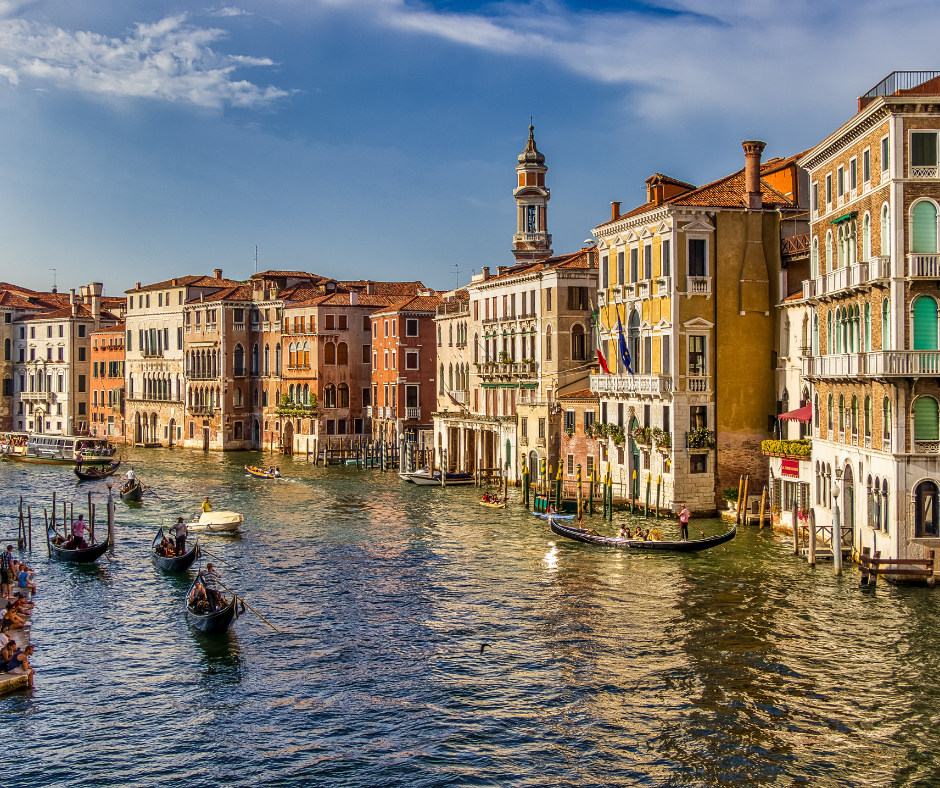 Italy for nomadsA digital nomad visa with a lower income bar than Spain or Portugal, the best food and art in Europe, and everything from Alpine lakes to Sicilian beaches within a few hours' train ride. Here is how to live and work in Italy in 2026.