The easiest digital nomad visas and long-stay routes (2026)

Updated:
 Sarah KuhlemannCommunity manager
The easiest digital nomad visa depends on your passport and your income, but the short answer is this. If you hold one of 95+ eligible passports, Georgia lets you stay a full year without applying for anything. If you want an actual visa, Ecuador's Visa Nómada is the easiest: open to every nationality, about $1,446 a month in income, $320 in total fees, and an application you can file online from anywhere.
"Easy" here means four things: a low income bar (or none), low government fees, a process you can handle yourself without a lawyer, and eligibility for most nationalities. By that measure, several of the easiest options aren't digital nomad visas at all. Georgia's visa-free year, Uruguay's provisional ID and Mexico's temporary residency were never designed for remote workers, but they work for them.
All figures checked November 2026 against the visa hub and official government sources.
🌱 Health insurance for your long stay
Genki TravelerA travel health insurance with worldwide cover. Monthly payment plans, and easy signup in less than 1 minute.Discover Genki TravelerGenki can't guarantee that a policy meets a specific visa's insurance requirements, so always confirm with the consulate or immigration office.
🏆 The easiest digital nomad visas, ranked
The ranking weighs the income bar, the fee, whether you can apply yourself and from where, which passports qualify, and how much paperwork stands between you and the stamp.
| Country | Route | Length | Income needed | Fee | Apply from | Lawyer needed? | Open to |
|---|---|---|---|---|---|---|---|
| 1. Georgia | Visa-free stay | 365 days visa free | None | None | No application | No | 95+ visa-free nationalities |
| 2. Ecuador | Visa Nómada | 2 years, renewable to 4 | ~$1,446 (3x basic salary) | $320 total | Abroad or inside, online | No | All nationalities |
| 3. Brazil | VITEM XIV | 1 year, renewable to 2 | $1,500 (or $18,000 savings) | ~$100, varies by nationality | Abroad or inside | No | All nationalities |
| 4. Colombia | Visa V Nómadas Digitales | Up to 2 years | ~€1,300 (3x minimum wage) | €150 | Abroad or inside, online | No | ~100 visa-exempt nationalities |
| 5. Uruguay | Hoja de identidad provisoria | 6 months, renewable to 12 | None (sworn declaration) | ~$10 (55.71 indexed units) | Inside, after tourist entry | No | All nationalities (tourist entry first) |
| 6. Argentina | Residencia transitoria, nómada digital | 180 days, extendable once to 360 | None (proof of remote work) | ~$20 (ARS 32,000) | Inside, in person | No | Visa-exempt nationalities only |
| 7. Thailand | Destination Thailand Visa (DTV) | 5 years, 180 days per entry | None (THB 500,000 in funds) | ~$305 (THB 10,000) | Abroad, via your home mission | No | Nationals or residents of the country where they apply |
| 8. Mexico | Temporary residency | 1 year, renewable to 4 | ~$4,400-4,500 (or ~$75,000 savings) | $54 + INM card fee | Abroad, consulate only | No | All nationalities, applied abroad |
🇬🇪 1. Georgia: a year without a visa
Citizens of 95+ countries, including the EU, US, UK, Canada and Australia, can fly into Georgia and stay 365 days. There is no application, no fee and no income test; geoconsul.gov.ge lists the eligible passports. Remote work for clients outside Georgia needs no permit: Georgia introduced a work permit system in March 2026 and rolled it back for remote workers in April. Working for Georgian clients still requires one.
The catch: this is a visa-free stay, not a residence status. Georgia has no dedicated nomad visa, and leaving to restart the clock is no basis for a long-term plan. Staying 183 days or more makes you a Georgian tax resident.
Health insurance: not required for entry.
 Georgia for nomadsGeorgia lets many nationalities stay a full year without a visa. Here is what Tbilisi really costs in 2026, how the 1% tax status works, and what changed since the hype years.
🇪🇨 2. Ecuador: the easiest actual visa
The Visa Nómada gives 2 years of residency, renewable once for up to 4 years, and it is open to every nationality. You need foreign income of 3x Ecuador's basic salary: about $1,446 a month in 2026, shown with 3 months of international bank statements. The figure resets every January. Fees total $320 ($50 when you apply, $270 if approved), and the whole process runs online through the e-VISAS platform, including from inside Ecuador on a legal tourist stay.
The catches are small but strict. The $50 fee must be paid the same day or the application is deleted. The criminal record certificate needs an apostille and translation, and counts as valid for 180 days from issue. And staying more than 183 days in a 12-month period generally makes you a tax resident.
Health insurance: required for the full visa period, and a foreign policy must state that it covers Ecuador.
 Ecuador digital nomad visa: requirements and how to applyEcuador's digital nomad visa is Latin America's quiet overachiever: 2 years of residency, renewable to 4, open to every nationality, just $320 in fees, and an income bar under $1,500 a month. Here's who qualifies, what it costs, and how to apply fully online.
🇧🇷 3. Brazil: the lowest bar with a savings option
Brazil's VITEM XIV runs 1 year and renews once, and it is open to all nationalities. It asks for $1,500 a month in foreign income, or a bank balance of at least $18,000 instead, which suits people with savings but uneven income. Each dependent adds $60 a month. You can apply at a Brazilian consulate before travelling, or for a residence authorization from inside Brazil.
The consular fee follows reciprocity rules and is typically around $100. Checklists are published per consulate on gov.br and differ, so read yours first. Spending 184 days in Brazil within 12 months makes you a tax resident, with rates up to 27.5%.
Health insurance: required on the consular checklists, valid in Brazil.
The full requirements are in the Brazil section of the visa hub.
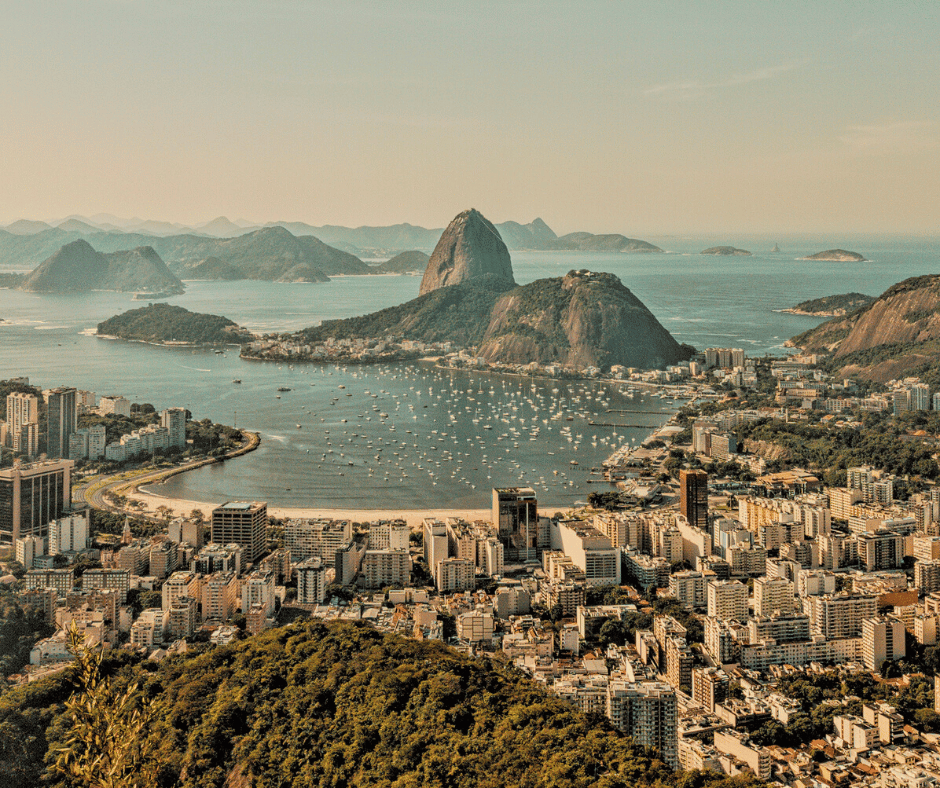 Brazil for nomadsA nomad visa since 2022, one of the lowest income bars anywhere, and Florianópolis quietly running one of South America's best remote work scenes. Here is how to live and work in Brazil in 2026.
🇨🇴 4. Colombia: cheap and online, if your passport qualifies
Colombia's digital nomad visa allows up to 2 years and is open to citizens of around 100 visa-exempt nationalities. The income bar is 3x the minimum wage: COP 5,252,715 a month in 2026, roughly €1,300, reset every January. Fees are €150 in total (€44 to apply, €106 on approval), and the application runs fully online through the Cancillería, from abroad or from inside Colombia. The authority has up to 30 days to decide.
The catch is precision. Insurance wording is the most common rejection reason, you must register for a cédula within 15 days of arrival, and more than 183 days in any 365 makes you a tax resident.
Health insurance: required, and the certificate must name seven coverages, including maternity.
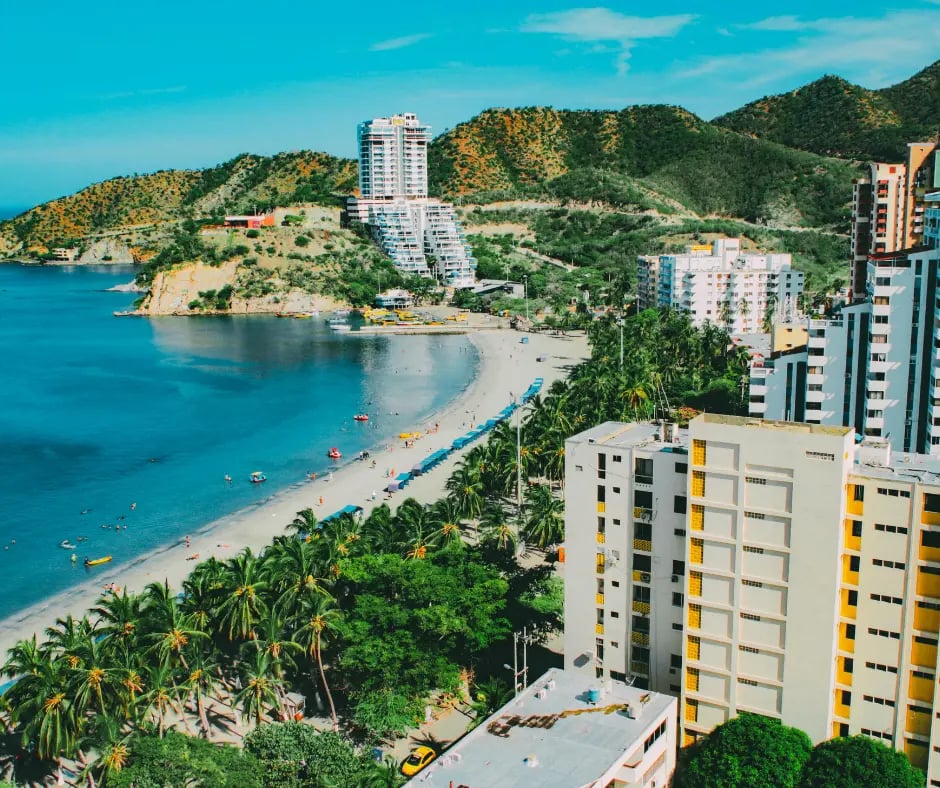 Colombia digital nomad visa: requirements and how to applyColombia runs one of the most accessible nomad visas anywhere: 2 years of legal stay, an income bar around €1,300 a month, and €150 in fees. Here is who qualifies and how to apply, step by step.
🇺🇾 5. Uruguay: no income test, a $10 fee
Uruguay grants a provisional identity document for digital nomads, valid 6 months and renewable once to 12. You enter as a tourist and apply online through gub.uy from inside the country. The first application asks only for a copy of your passport and a signed sworn declaration that you can support yourself. The fee is 55.71 indexed units, about $10, and can't be paid from abroad.
The catch arrives at renewal: a Uruguayan ID card, apostilled and translated criminal record certificates from every country you lived in for 6+ months over the last 5 years, and a vaccination certificate from a Uruguayan centre. The process runs in Spanish, and each family member files separately.
Health insurance: not required at any stage.
The full requirements are in the Uruguay section of the visa hub.
🇦🇷 6. Argentina: no income floor, real paperwork
Argentina's transitory residence for digital nomads gives 180 days, extendable once to 360, for nationals of visa-exempt countries only. There is no fixed income figure. Instead you prove the work itself: a contract or employer letter, income receipts, a short CV and at least one professional reference. The fee is ARS 32,000 (about $20), filed in person with Migraciones after a tourist entry.
The paperwork is the hurdle: an Argentine criminal record certificate, plus apostilles and sworn Spanish translations for foreign documents. The extension requires you to have spent at least half of your first 180 days in Argentina, and the visa does not lead to residency.
Health insurance: not on the document list, but every foreigner declares health insurance on arrival under Decree 366/2025.
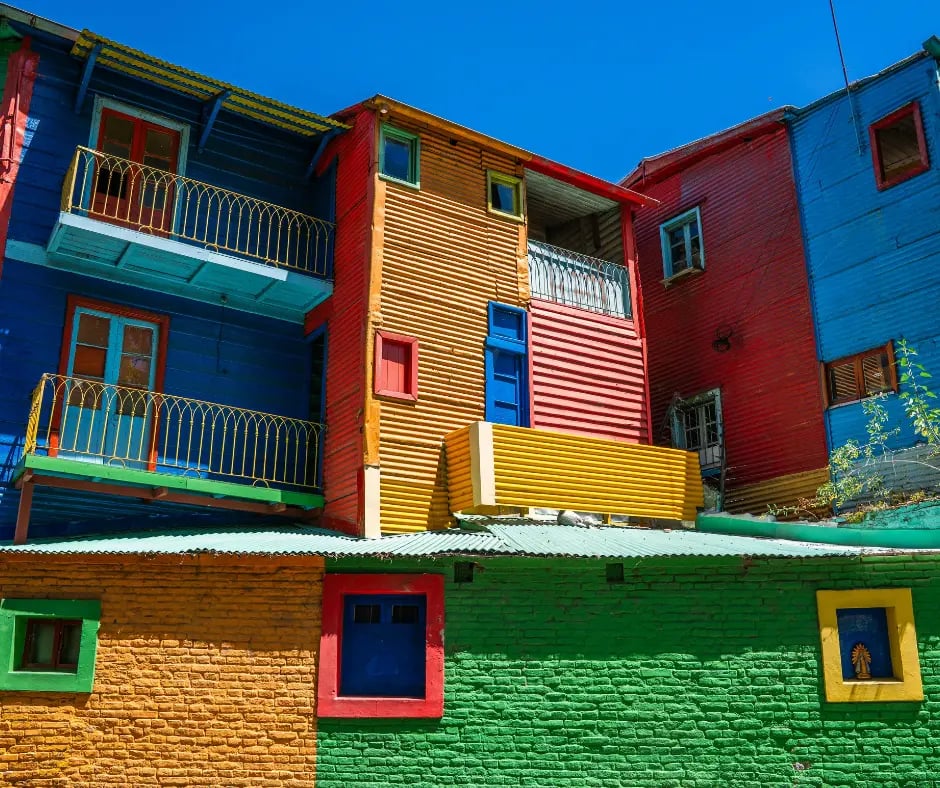 Argentina digital nomad visa: requirements and how to applyArgentina's digital nomad visa gives remote workers up to 360 days with no official income floor. Here is what it costs, how tax residency works, and why it is a dead end for anyone hoping to settle.
🇹🇭 7. Thailand: 5 years, no income bar, stricter since August
The DTV is valid for 5 years with multiple entries. Each entry gives up to 180 days, extendable once by another 180 for about THB 1,900. There is no income threshold: you show funds of at least THB 500,000 (about €12,500). The fee is THB 10,000, charged in local currency, and you apply through thaievisa.go.th from outside Thailand.
The catch is new. Since 31 August 2026 you apply through the mission for your country of nationality or permanent residence, with a criminal record certificate, so a short trip to a neighbouring country no longer works. And 180 days in a calendar year makes you a Thai tax resident, with foreign income you bring into Thailand taxable since 2024.
Health insurance: not an official requirement.
 Thailand digital nomad visa (DTV): requirements and how to applyThe DTV is Thailand's digital nomad visa: 5 years, 180-day stays, no income threshold. Here's what changed in 2026, what it costs and how to apply.
🇲🇽 8. Mexico: an easy process with a high bar
Mexico has no digital nomad visa. The long-stay route is the Temporary Resident Visa: 1 year, renewable up to 4 years, after which permanent residency is possible. It is open to all nationalities and you can do it yourself, but the income bar is the highest on this list: around $4,400 to $4,500 a month over the previous 6 months (San Diego's official 2026 sheet says $4,510), or roughly $73,000 to $80,000 in average savings over 12 months.
You apply at a Mexican consulate outside Mexico (consulmex.sre.gob.mx), then exchange the visa for a resident card at the INM within 30 days of arrival. The consular fee is $54, plus the INM card fee. For stays of a few months, the visitor entry of up to 180 days is simpler; border officers set the actual number of days.
Health insurance: not required by most consulates.
 Mexico digital nomad visa: what actually exists in 2026There is no Mexico digital nomad visa, whatever the search results say. Here is what remote workers actually use in 2026, and the income bar that just rose.
🚧 Possible, but not easy
Lithuania. It often appears on easy lists with a €5,460-a-month remote work visa. Lithuania has no digital nomad visa: that figure is an extrapolation of the residual National Visa D "other cases" threshold, marketed by consultancies as a nomad visa. Non-EU remote workers realistically need the Startup Visa, a Lithuanian employer or family reunification, and anyone trying the D visa route should confirm requirements with the Migration Department. EU citizens can simply move there, as the Lithuania guide explains.
Thailand LTR. The Long-Term Resident visa runs 10 years, but its Work-from-Thailand Professional category is built for well-paid employees of large companies. It asks for an average income of $80,000 a year over the past 2 years ($40,000+ with a master's degree, your own intellectual property or Series A funding), from an employer that is stock-listed, a wholly owned subsidiary of a qualifying company, or 3+ years old with $50 million in combined revenue over 3 years (BOI). The fee is THB 50,000. Most freelancers are better served by the DTV.
Honduras. Honduras has no digital nomad visa. Its Rentista and Pensionado residencies ask for $2,500 a month in passive income or $1,500 a month in a foreign pension, received through a Honduran bank, and a registered Honduran attorney must file for you (INM). No official fee schedule is published.
 Honduras digital nomad visa: what actually exists in 2026Honduras doesn't have a digital nomad visa, despite the search volume implying otherwise. Here's what genuinely exists: a 90-day tourist entry (extendable), and two real residency routes, Rentista and Pensionado. Costs, requirements, and how to apply, fact-checked for 2026.
🧭 Which one fits you?
- Lowest income bar: Ecuador at about $1,446 a month, with Colombia (~€1,300) and Brazil ($1,500, or $18,000 in savings) close behind.
- No income figure at all: Georgia, Uruguay and Argentina. Thailand's DTV asks for THB 500,000 in funds instead.
- No paperwork at all: Georgia, for 95+ nationalities.
- Longest stay: Thailand's DTV (5 years, 180 days per entry), then Ecuador and Mexico (up to 4 years).
- Route to permanent residency: Mexico, after 4 years of temporary residency. Ecuador's Human Mobility Law allows an application after 21 months; confirm current practice for the nomad category before relying on it. Argentina's nomad residence and Colombia's visa count toward nothing.
- Families: Ecuador (+$250 a month per dependent), Brazil (+$60), Colombia and the DTV. Uruguay and Argentina have no family application.
💶 The tax reality
A visa doesn't decide where you pay tax; your days and your life do. Most countries on this list make you a tax resident at around half a year: Ecuador and Colombia after 183 days, Brazil at 184 days in 12 months, Thailand at 180 days in a calendar year. Argentina counts 12 months on temporary permits. Mexico uses no day count at all: you become a Mexican tax resident when your home is in Mexico or, if you also keep one elsewhere, when your centre of vital interests is there. The guide to how digital nomad taxes actually work covers the system, and the 183-day rule explained covers the myth.
❓ Frequently asked questions
Ecuador's Visa Nómada: open to every nationality, about $1,446 a month in income, $320 in fees, and an online application you can file from inside or outside Ecuador. If you don't need a visa at all, Georgia lets citizens of 95+ countries stay 365 days without applying.
Among visas with a fixed figure, Ecuador (about $1,446 a month), Colombia (COP 5,252,715, roughly €1,300) and Brazil ($1,500, or $18,000 in savings). Uruguay and Argentina set no income figure, and Thailand's DTV asks for THB 500,000 in funds.
Yes. All eight routes in this guide can be done yourself. Honduras is the exception among long-stay options: its Rentista and Pensionado residencies require a registered Honduran attorney.
Georgia, which gives citizens of 95+ countries 365 days visa free. Most other countries cap visa-free stays at 90 to 180 days; Mexico's visitor entry tops out at 180 days, and border officers often grant less.
Ecuador, Brazil and Colombia require it, and Colombia names seven coverages. Argentina asks every foreigner to declare insurance on arrival. Georgia, Uruguay, Thailand's DTV and most Mexican consulates don't ask, though private hospitals in all of them expect payment. Genki can't guarantee that a policy meets a specific visa's requirements, so confirm with the consulate.
All figures were checked in November 2026 and match the visa hub. Income bars in Ecuador and Colombia reset every January.
Similar articles
 Countries with nomad visasWhich countries offer digital nomad visas, what do they cost, and which one fits your income and plans? Here are the programs worth knowing, with requirements, fees, and insurance rules verified against official sources.Mexico digital nomad visa: what actually exists in 2026There is no Mexico digital nomad visa, whatever the search results say. Here is what remote workers actually use in 2026, and the income bar that just rose.Thailand digital nomad visa (DTV): requirements and how to applyThe DTV is Thailand's digital nomad visa: 5 years, 180-day stays, no income threshold. Here's what changed in 2026, what it costs and how to apply.Ecuador digital nomad visa: requirements and how to applyEcuador's digital nomad visa is Latin America's quiet overachiever: 2 years of residency, renewable to 4, open to every nationality, just $320 in fees, and an income bar under $1,500 a month. Here's who qualifies, what it costs, and how to apply fully online.