Peru for nomads
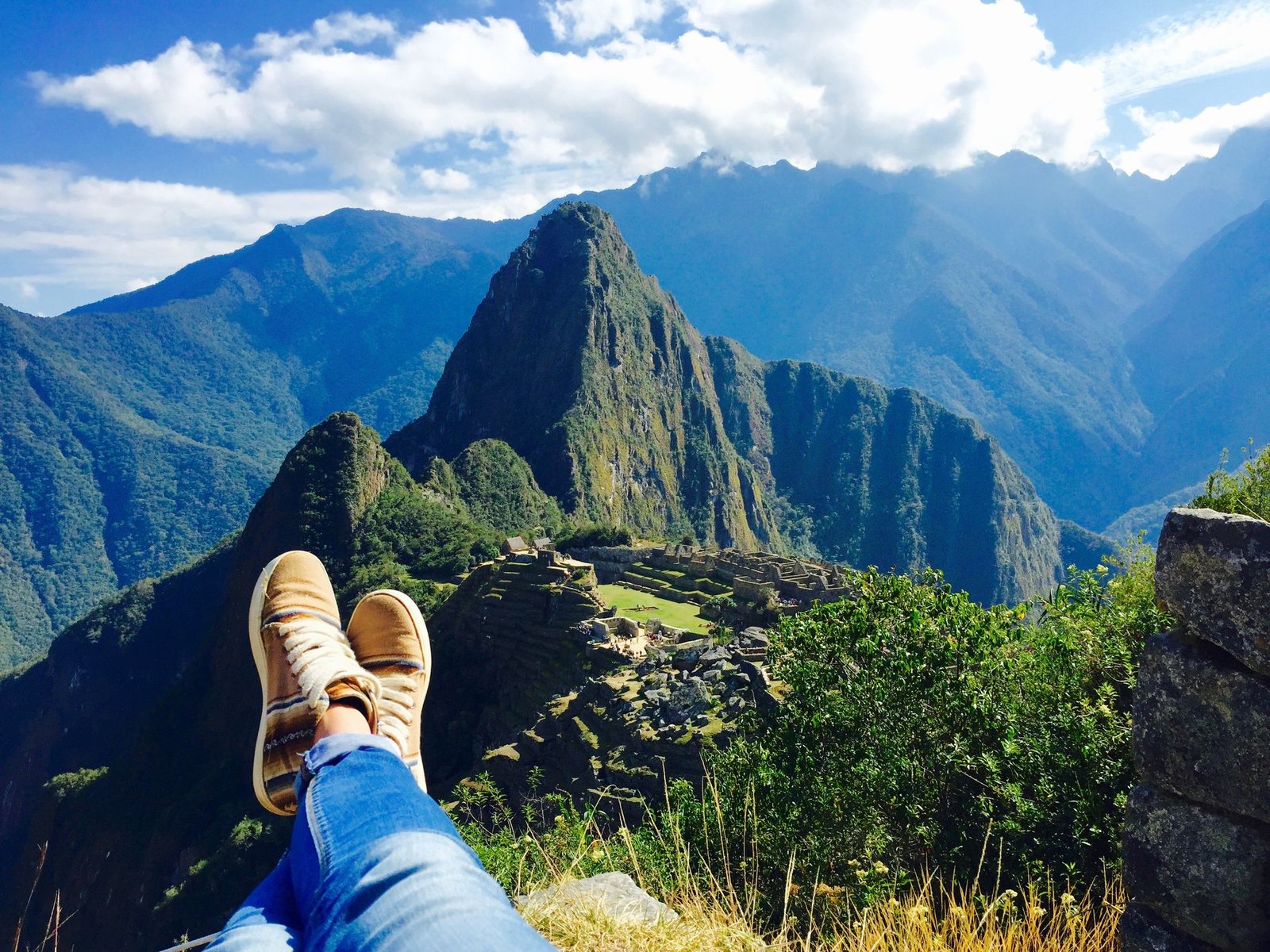 Image credit: Sarah
Updated:
 Sarah KuhlemannCommunity manager
Peru is the country of ceviche, the Andes and Machu Picchu, and plenty of nomads end up staying longer than they planned. Lima gives you a coastal city with one of the world's great food scenes, Arequipa offers year-round sun and some of the best value in Latin America, and Cusco puts the Inca heartland on your doorstep.
It also asks a few things of you. The digital nomad visa exists only on paper, Cusco sits high enough to make your first days hard work, and Lima's best neighborhoods are no longer cheap. This guide covers both sides, with every figure checked in November 2026.
🌱 Health insurance for Peru
Genki TravelerA travel health insurance with worldwide cover. Monthly payment plans, and easy signup in less than 1 minute.Discover Genki TravelerPlanning time in Cusco, Arequipa or on Andean treks? The US State Department calls altitude sickness a serious concern in high cities like Cusco and notes that most private hospitals in Peru want payment in advance. Check what your policy covers before you go.
🎯 Peru at a glance
| 🛂 Visa | No working digital nomad visa yet. Visa-free tourist entry for EU, US and many other passports |
| ⏳ Max stay | Set by the officer at entry, up to 183 days in 365 under Peruvian law (90 days in 180 guaranteed for EU citizens) |
| 💶 Monthly budget | €820 to €1,240 in Cusco, €990 to €1,300 in Arequipa, €1,440 to €1,800 in Lima |
| 🌤 Best time | May to September in the Andes (dry season), December to April for Lima's sunny summer |
| 🏙 Top areas | Miraflores and Barranco (Lima), the historic center and Yanahuara (Arequipa), San Blas (Cusco) |
| 🛜 Internet | Fast fixed broadband in the cities, slower mobile data |
| 🛡 Safety | US advisory Level 2 (increased caution). The Level 4 areas lie away from Lima, Arequipa and Cusco |
🇵🇪 Entry requirements for Peru
Citizens of the EU, the US and many other countries enter Peru visa-free as tourists. How long you can stay is decided at the border: Peru’s government portal states that the immigration officer sets your authorized stay when you enter. Peru's migration law, as amended by Legislative Decree 1582, caps tourist stays at 183 days within 365 days, and a shorter grant can be extended up to that limit. For EU passports, the EU-Peru visa waiver agreement guarantees 90 days in any 180-day period and allows Peru to grant more under its own law.
- Check your days: you can see your authorized stay online with Migraciones’ stay checker. The US State Department also advises making sure your entry is recorded, even at remote land borders, because leaving without an entry record can take weeks to fix.
- Overstaying: the fine is 0.1% of Peru's tax unit (UIT) for every extra day, according to Migraciones. With the 2026 UIT at S/5,500, that is S/5.50 (about €1.50) per day, paid when you leave.
- The digital nomad visa: Legislative Decree 1582 created a “nómada digital” category in November 2023 for people working remotely for companies based outside Peru, with a stay of 365 days that can be extended. Migraciones said at the time that it would only be granted once a regulation was published and the procedure added to its official list of procedures. As of November 2026, there is still no procedure, so nobody can apply yet, and the tourist route is the only practical option for most nomads.
For the countries where a nomad visa already works, including Colombia, Ecuador and Brazil next door, see the comparison:
 Countries with nomad visasWhich countries offer digital nomad visas, what do they cost, and which one fits your income and plans? Here are the programs worth knowing, with requirements, fees, and insurance rules verified against official sources.
✈️ How to get to Peru
Almost every international arrival lands at Lima's Jorge Chávez airport (LIM). Its new terminal, three times the size of the old one, took over all flights on June 1, 2025. To reach Miraflores or Barranco, use an app-based ride, an official taxi desk or the authorized airport bus services: the city transport authority expanded its AeroDirecto service for the new terminal, and the US State Department points to the authorized taxi booths inside the airport, which charge flat rates by destination.
Cusco and Arequipa are a short domestic flight from Lima. Overland, the long-distance buses run on the Lima, Arequipa and Cusco corridor, which the US State Department names as one of the few routes where its own staff may travel at night with commercial bus companies.
🗺 Where to base yourself
- Lima is the easiest landing: sea level, the most coworking and the widest choice of flats. Miraflores is the default base, with the clifftop malecón, cafés and WeWork on Avenida Larco. Barranco next door is the bohemian alternative, with galleries, bars and older houses near the sea. San Isidro is the calmer business district around El Olivar park, good if you want quiet streets and office-style coworking.
- Arequipa is the value pick. Peru's white-stone second city sits at about 2,300 meters under three volcanoes, and it came out as the cheapest of ten cities in the Latin America for less than €1,500 comparison. Stay in the historic center for walkable streets and cafés, or in Yanahuara across the river for a quieter, residential feel.
- Cusco is the base for Machu Picchu, the Sacred Valley and Andean treks, at a much higher altitude than Lima or Arequipa. San Blas, the hillside artisan quarter above the main square, has the café scene but steep streets. Wanchaq, southeast of the center, is flatter and more local, with supermarkets and longer-stay rentals.
No coast base is listed in this update: Peru's scientific El Niño commission ENFEN expects an extraordinary coastal El Niño to last into 2027, with heavy rain on the north coast where beach towns like Máncora sit. This guide will add a coast option once conditions normalize.
💶 How much does it cost?
| Per month | Lima (Miraflores, Barranco) | Arequipa (center, Yanahuara) | Cusco (San Blas, Wanchaq) |
|---|---|---|---|
| Furnished 1BR | €680-900 | €320-500 | €300-550 |
| Coworking | €199 (WeWork) | €123 (Prime, 3-month minimum) | Cafés, €30-60 |
| Food | €450-550 | €450-550 | €400-500 |
| Transport | €40-70 (ride-hailing) | €30-50 | €30-50 |
| Utilities, internet, SIM | €70-90 | €70-90 | €60-80 |
| Realistic total | €1,440-1,800 | €990-1,300 | €820-1,240 |
Rents start from Numbeo's city-center averages for a one-bedroom (Lima €684, Arequipa €324, Cusco €200, November 2026) and rise for the furnished, flexible rentals nomads actually book; Cusco's low local average rests on a small sample, so plan with the range. Coworking prices are the operators' own: WeWork's All Access Basic membership at Larco 1232 costs S/745 per month plus tax, and Prime Coworking in Arequipa charges S/390 plus IGV on a three-month minimum. Euro figures are converted at about S/3.75 per euro (BCRP, November 19, 2026).
 Latin America for less than €1,500Latin America is no longer uniformly cheap. Ten cities checked against a €1,500 monthly budget with fresh 2026 data: six still fit comfortably, two need conditions, and two former favorites outgrew it.
🧑🏻💻 Where to work from
Lima
- WeWork José Larco 1232: WeWork's 12-floor building in Miraflores, one block from the malecón and a short walk from Larcomar. Day passes start at S/130, and the All Access Basic membership costs S/745 per month plus tax (S/634 on a 12-month plan), with access to other WeWork locations worldwide. Lima has three more WeWork buildings in San Isidro.
Arequipa
- Prime Coworking Space: fixed desks with dedicated fiber in the City Center office tower in Cerro Colorado, a short ride from the historic center. The day plan costs S/55 plus IGV and the monthly plan S/390 plus IGV, with a three-month minimum contract for 2026, so it suits longer stays better than a quick visit.
Cusco
No coworking space with operator-published prices could be verified in Cusco for this update. For now, plan on working from cafés in San Blas and around the historic center, or book accommodation with a proper desk and a fiber connection. Ask for a speed test before you pay for a month.
👥 Finding community
- Meetup: Lima has the country's largest Meetup scene, from language exchanges to tech and founder groups, and it is the easiest offline way in.
- WeWork Larco: membership includes the building's professional events and community programming, which helps if you want a work crowd rather than a tourist one.
- Language schools and Spanish exchanges: in Cusco and Arequipa, the people you meet in Spanish classes and exchange evenings are often the fastest route to a local network. Some Spanish goes a long way in both cities.
🛜 Internet and SIM cards
Fixed broadband in Peru's cities is fast by regional standards, and mobile data is noticeably slower, according to Ookla’s Speedtest Global Index. For calls, rely on fiber where you stay or work and treat mobile data as backup.
The simplest setup is a global eSIM from Pangia: one plan that covers Peru and whatever comes next, ready before you land. If you buy a Peruvian SIM instead, know one rule: telecom regulator OSIPTEL requires phones bought abroad to be registered with the operator when you use a local SIM, while visitors using roaming from their home operator need no registration. Bring your passport and the phone itself to an official store.
🌤 When to go where
| Region | 🌞 Best time | 🌧 Avoid | Why |
|---|---|---|---|
| Lima & the coast | Dec-Apr | None | Sunny summer. From late June, winter brings gray mornings with fog and drizzle (garúa) |
| Cusco & the Andes | May-Sep | Jan-Mar | Dry season with clear skies. The rainy season runs December to April and peaks January to March |
| Arequipa | May-Sep | Jan-Mar | Sunny for most of the year, but the Andean rainy season (December to April) reaches the city too |
| Amazon | May-Sep | Jan-Mar | Drier months with easier river and trail access. Flooding peaks in the wet season |
Lima's winter pattern of foggy, drizzly mornings is described by weather service Senamhi, and the US State Department dates the rainy season from December to April, with landslides in the Andes and flooding in the Amazon basin and the north coast. In 2026/27 the north coast deserves extra caution: ENFEN expects the current coastal El Niño to stay extraordinary until early 2027.
🚌 Getting around
- Long-distance buses: premium operators like Cruz del Sur and Oltursa connect Lima, Arequipa, Cusco and the coast, with reclining seats and online booking. The US State Department still calls bus travel hazardous in parts of the country, so stick to established operators and the main corridors.
- Domestic flights: the sensible choice between Lima and Cusco, where the bus means long hours on mountain roads, which US Embassy staff may not travel at night. Flights also save days between Lima, Arequipa and the Amazon.
- Ride-hailing in Lima: Uber and local ride-share apps are widely used and are the safest default for city trips. Avoid hailing taxis on the street.
- Trains to Machu Picchu: rail is the main way to reach Machu Picchu. Services are occasionally disrupted by landslides, strikes or protests, so keep a buffer day around your ticket date.
🚧 Safety
Peru is a Level 2 destination in the US travel advisory (exercise increased caution) because of crime, unrest, kidnapping and terrorism. The Level 4 do-not-travel areas are the Colombia border area in Loreto, the VRAEM valleys, and the cities of Abancay, Ayacucho, Huancavelica and Huancayo. The advisory states that the city of Cusco, the Sacred Valley, the Inca Trail and Machu Picchu are not in the affected area.
- Taxis and express kidnapping: the UK Foreign Office warns that tourists, especially those traveling alone, risk “express kidnapping”, where victims are forced to withdraw money from ATMs, often by criminals posing as taxi drivers. Both the UK and US advise against hailing taxis on the street: use app-based rides, telephone taxis or the official desks at the airport and bus terminals.
- Theft: pickpocketing, bag snatching and phone theft are the everyday risks, also in daylight. Keep your phone out of sight on the street, use ATMs inside banks or malls, and do not resist a robbery.
- Protests: demonstrations happen regularly and can close roads, railways and airports at short notice. Check local news and keep travel days flexible.
- Drinks and ceremonies: the US State Department advises against ayahuasca and kambo ceremonies, after serious illness, deaths and assaults, and warns that drugs like scopolamine are used in crimes. Watch your drink.
🏥 Healthcare
Private clinics in Lima, such as Clínica Delgado in Miraflores, are the standard for foreigners, while the US State Department notes that public clinics lack basic resources and that hospitals often require payment before treatment. Outside the big cities, emergency care is limited and ambulances are unreliable. The US Embassy in Lima publishes a list of doctors and hospitals.
Altitude sickness is the health topic that catches most newcomers. Cusco, Arequipa, Puno and Machu Picchu all sit high, and the CDC recommends talking to your doctor about prevention and treatment before you travel. Going up in stages, with time in Arequipa before Cusco, and keeping your first days in the Andes light both help. Tap water is not safe to drink in many areas, so stick to sealed bottled or filtered water.
🎖 Must see
- Machu Picchu: tickets are sold only through the Ministry of Culture's TuBoleto platform or the ticket office in Machu Picchu Pueblo, which releases 1,000 tickets a day. The visit runs on three circuits with ten routes, each with a timed entry, and daily capacity is 4,500 visitors in regular season and 5,600 in high season, according to the ministry. The mountain routes (Machu Picchu Mountain, Huayna Picchu) have the smallest quotas, so book them first.
- Colca Canyon: one of the deepest canyons on Earth at up to 3,200 meters, about three and a half hours by road from Arequipa to Chivay, according to PromPerú. Go early to the Cruz del Cóndor viewpoint for the condors.
- Rainbow Mountain (Vinicunca): the striped mountain southeast of Cusco became famous around 2016 and now draws big crowds, reports Andina. At about 5,200 meters, it is a hike for after you have acclimatized in Cusco, not for day two.
- Huacachina: a desert lagoon surrounded by giant dunes outside Ica, known for sandboarding and dune buggies. PromPerú’s page has the practical details.
- Lima's historic center: the UNESCO-listed colonial core around the Plaza Mayor, with the cathedral and the Government Palace, is an easy half day from Miraflores.
❓ Frequently asked questions
Only on paper. Legislative Decree 1582 created a “nómada digital” category in November 2023, but Migraciones said it would only be granted after a regulation and an official procedure were published. As of November 2026, there is no procedure to apply, so nomads enter Peru as tourists.
The border officer sets your stay at entry. Peruvian law allows up to 183 days within 365, and EU citizens are guaranteed 90 days in any 180 under the EU-Peru agreement. You can check your authorized days online with Migraciones, and overstaying costs S/5.50 per day in 2026.
Realistic short-stay budgets run €820 to €1,240 in Cusco, €990 to €1,300 in Arequipa, and €1,440 to €1,800 in Lima, including a furnished one-bedroom, coworking or café work, food, transport and a SIM.
Lima's Miraflores is the softest landing: sea level, coworking and the easiest flats. If Cusco is your goal, stopping in Arequipa first lets you go up in stages and gives you one of the best-value bases in Latin America.
Plan a few easy days when you arrive, avoid hard hikes like Rainbow Mountain at the start, and talk to your doctor about prevention before you travel, as the CDC recommends. Spending time in Arequipa first lets you go up in stages.
Peru carries a US Level 2 advisory, and the Level 4 areas lie away from Lima, Arequipa and Cusco. The everyday risks are pickpocketing, phone theft and fake taxis, so use app-based rides and keep valuables out of sight.
Traveling that area? Check out Peru's neighborhood.
Comparing Peru with the rest of the region? Latin America made easy puts 11 bases side by side on costs, visas and seasons.
 Latin America made easyWhere to start in Latin America as a remote worker: 11 bases compared on real monthly costs, the visa that works in each, internet, seasons, and two sample routes for your first three months.
 Colombia for nomadsMedellín's eternal spring, Bogotá's culture, Cali's salsa, and one of the world's most accessible nomad visas. Here is how to live and work in Colombia in 2026, cities compared, real costs, and a straight answer on safety.
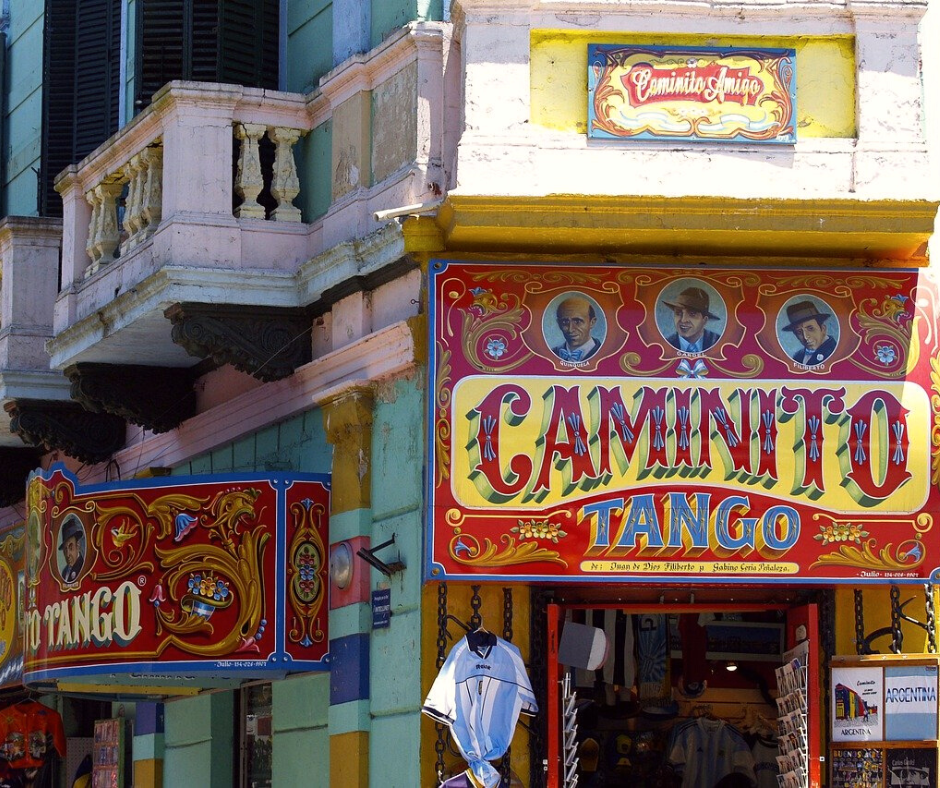 Argentina for nomadsBuenos Aires is the most European city in the Americas: café culture, midnight dinners, grand boulevards and the best steak and wine anywhere. The catch in 2026 is that the legendary blue-dollar bargain is gone. Here is the honest guide.Latin America for less than €1,500Latin America is no longer uniformly cheap. Ten cities checked against a €1,500 monthly budget with fresh 2026 data: six still fit comfortably, two need conditions, and two former favorites outgrew it.