Guatemala for nomads
Updated:
 Sarah KuhlemannCommunity manager
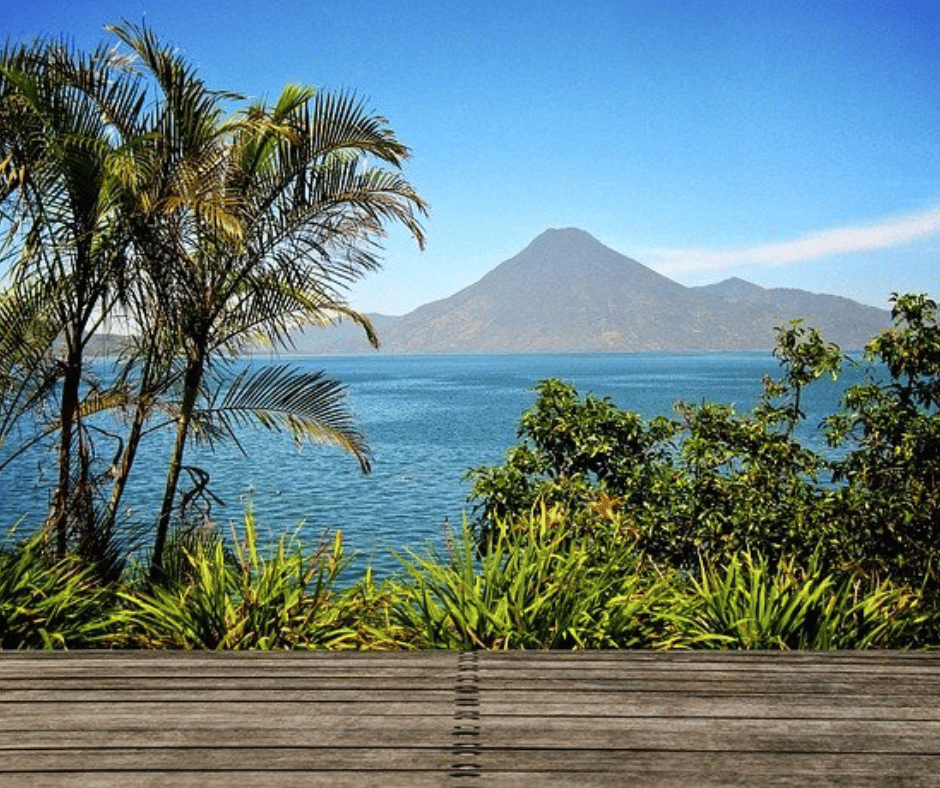
Volcanoes on every horizon, the cobblestone streets of Antigua, and Lake Atitlán ringed by Maya villages: Guatemala packs a lot into a small country. Add a real remote-work scene, coworking in Antigua and some of the lowest living costs in Latin America, and it is easy to see why nomads keep coming back.
The honest part: the US rates Guatemala Level 3 (reconsider travel), mainly because of gang crime in specific areas. Those areas are not where nomads live. Antigua, Lake Atitlán and Tikal are explicitly open to US government staff, while the Level 4 zones are the San Marcos and Huehuetenango departments plus parts of Guatemala City. This guide covers both sides.
🌱 Health insurance for Guatemala
Genki TravelerA travel health insurance with worldwide cover. Monthly payment plans, and easy signup in less than 1 minute.Discover Genki Traveler🎯 Guatemala at a glance
| 🛂 Visa | 90 days visa-free for EU, UK and US citizens. No visa called a digital nomad visa, but a remote-worker residence exists since 2025 |
| ⏳ Max stay | 90 days shared across Guatemala, El Salvador, Honduras and Nicaragua (CA-4), extendable once for $25 |
| 💶 Monthly budget | €900 to €1,300 at the lake or in Xela, €1,240 to €1,530 in Antigua |
| 🌤 Best time | November to April (dry season) |
| 🏝 Top areas | Antigua (incl. Jocotenango), Lake Atitlán (Panajachel, San Marcos, San Juan), Quetzaltenango |
| 🛜 Internet | Fiber in Antigua, Panajachel and Xela. Patchier in the lake villages, where many places rely on Starlink |
| 🛡 Safety | US advisory Level 3. Antigua, Lake Atitlán and Tikal are outside the restricted areas |
🇬🇹 Entry requirements for Guatemala
Citizens of the EU, the UK and the US can stay up to 90 days without a visa. Your passport must be valid for at least 6 months after arrival, and the UK also asks for 2 blank pages (FCDO, German Foreign Office). Other nationalities should check with the nearest Guatemalan embassy.
- CA-4 agreement: the 90 days cover Guatemala, El Salvador, Honduras and Nicaragua together. The clock starts at your first entry into any of them and does not reset when you cross between them. If you are expelled from one, you are excluded from all four.
- Entry stamp: check it before leaving the immigration desk. A missing stamp means a fine and a trip to the immigration office in Guatemala City.
- Customs declaration: you must complete the online traveler declaration before entering and before leaving. Keep the QR code on your phone.
- Extension: you can apply once to the Instituto Guatemalteco de Migración (IGM) in Guatemala City for $25 (about €23), before your permitted stay ends. You need your passport with the entry stamp, at least 6 months of passport validity, and an onward ticket or an international credit card. The UK government says extensions run up to 30 days; IGM sets the length case by case.
- Overstaying means a fine, paid at IGM, the airport or a land border before you leave.
- Land borders: officials sometimes ask for an "entry fee" at land crossings. It is illegal; ask for an official receipt.
Does Guatemala have a digital nomad visa?
Not under that name. But since IGM's residence regulation of 2025 (Acuerdo IGM-016-2025), remote workers can apply for temporary residence as a migrant worker with a foreign employer. The official requirements, as of November 2026:
- Bank statements showing income from abroad of at least $2,000 per month over the past year ($3,000 with dependents), or an accountant's certificate.
- The usual residence documents: passport, criminal record certificate, application form.
- Fees: $25 to apply, then $200 for 1 year, $300 for 2 years or $500 for 3 to 5 years.
- Applications are filed in person at IGM, 6a Avenida 3-11, Zona 4, Guatemala City.
Freelancers can apply as self-employed, but that route requires registering with the Guatemalan tax authority (RTU), which has tax consequences. For most nomads staying under 6 months, the visa-free stay plus one extension is the practical route. This is general information, not legal or tax advice.
✈️ How to get to Guatemala
Almost everyone flies into La Aurora International Airport (GUA) in Guatemala City, with direct flights from the US, Mexico, Central America and Madrid. Antigua is about an hour away: book a tourist shuttle or a registered airport taxi (INGUAT runs a vetted taxi desk at the airport), and avoid arriving after dark if you can.
For Tikal, fly to Mundo Maya International Airport (FRS) in Flores. Avianca runs three daily flights from Guatemala City since March 2026, and TAG Airlines also flies the route. TAG announced a Mérida to Flores connection from November 2026.
Overland, the main routes come from Mexico (Chiapas to the western highlands), Belize (to Flores) and Honduras (towards Copán). Book cross-border tourist shuttles rather than public buses.
🗺 Where to base yourself
- Antigua is the nomad capital: a UNESCO colonial town at 1,500 meters with coworking, cafés, Spanish schools and three volcanoes on the skyline. The cobblestoned colonial core is walkable and lively but now the most expensive area in the country. Rents drop noticeably just outside it: Jocotenango (north, own services), San Felipe de Jesús (quiet, residential), Santa Ana (east) and San Pedro Las Huertas (south, green and calm). All are a short tuk-tuk ride from the center.
- Lake Atitlán is the slower option, and each village has its own crowd. Panajachel has road access, banks and the most reliable internet. San Marcos La Laguna and Tzununá draw the yoga and wellness crowd. San Juan La Laguna is calm and community-run, San Pedro La Laguna is the budget backpacker town, and Santa Cruz La Laguna is the quietest. Note: San Marcos La Laguna is in Sololá department and is not part of the San Marcos department covered by the US Level 4 warning.
- Quetzaltenango (Xela) is Guatemala's second city, at 2,300 meters. It is cooler, cheaper and less touristy than Antigua, with a strong Spanish-school scene around the historic center and Parque Centroamérica. Few dedicated nomad spaces, which is part of the appeal.
- Guatemala City is for admin (IGM, embassies, private hospitals) and flights rather than a base. If you need to stay, Zona 10 and Zona 4 are where most visitors go, and even there the official advice is to stay alert.
- Flores and Tikal are a trip, not a base: plan 2 to 4 days.
💶 How much does it cost?
| Per month | Antigua (outside the core) | Antigua (colonial core) | Lake Atitlán | Quetzaltenango |
|---|---|---|---|---|
| Furnished room or 1BR | €450-650 | €750-950 | €350-700 | €250-450 |
| Coworking | ~€134 (Impact Hub) | ~€134 | €0-100 (day passes) | Cafés |
| Food | €400-500 | €400-500 | €350-450 | €300-400 |
| Transport | €30-60 (tuk-tuks) | €20-40 | €40-80 (lanchas) | €30-50 |
| Utilities, SIM, backup data | €60-90 | €60-90 | €50-100 | €40-70 |
| Realistic total | ~€1,240 | ~€1,530 | €900-1,300 | €650-1,000 |
Conversions at €1 ≈ Q8.4 (mid-market, November 2026). Figures are realistic short-stay prices for furnished monthly rentals, not local long-term rents. Antigua's colonial core now averages more than Lima for a one-bedroom, so the cheapest way to enjoy it is to live just outside and walk in.
 Latin America for less than €1,500Latin America is no longer uniformly cheap. Ten cities checked against a €1,500 monthly budget with fresh 2026 data: six still fit comfortably, two need conditions, and two former favorites outgrew it.
🧑🏻💻 Where to work from
Antigua
- Impact Hub Antigua: the established coworking space in a colonial house on 1a Avenida Norte, with a courtyard, events and a mixed crowd of local founders and nomads. Monthly memberships cost about €134; confirm current rates with them.
- Socialtel Antigua (formerly Selina): a hostel and hotel near the Santa Catalina Arch with a guest coworking area, private rooms and a pool. Useful if you want work and a social base in one place.
Lake Atitlán
- Socialtel Atitlan (formerly Selina) in Panajachel, near the dock, has a coworking area for guests and day visitors.
The honest picture at the lake: fiber reaches central Panajachel, while San Marcos, San Juan and Santa Cruz depend on mobile data and Starlink. Power cuts happen. If your work is call-heavy, base yourself in Panajachel, ask your host for a speed test screenshot before booking, and keep a mobile data plan as a backup.
Quetzaltenango
Xela has no coworking space that could be verified on an operator site as of November 2026. Most remote workers use their apartment or a café near the center.
👥 Finding community
Antigua's scene is the easiest to plug into: Impact Hub's events, Spanish schools, volcano hikes and the language-exchange nights that come with a town full of long-stayers. At the lake, the community gathers around yoga studios in San Marcos and Spanish schools in San Pedro and San Juan. In Xela, the Spanish schools are the social network.
🛜 Internet and SIM cards
Guatemala has two mobile networks, Tigo and Claro. Prepaid SIMs are sold at official stores against your passport, and Tigo is the network most travel eSIMs use in Guatemala. Fiber is common in Antigua, Guatemala City, Xela and Panajachel. In the lake villages, a local SIM as a hotspot is the standard backup.
The simplest way to stay connected is a global eSIM from Pangia: one plan that covers Guatemala and whatever country comes next, set up before you land.
🌤 When to go where
| Region | 🌞 Best time | 🌧 Wettest | Why |
|---|---|---|---|
| Antigua | Nov-Apr | Jun-Oct | Dry, sunny days at 1,500 m. Afternoon rain in the wet season |
| Lake Atitlán | Nov-Apr | Jun-Oct | Clear volcano views in the dry season. Evenings are cool |
| Quetzaltenango | Nov-Apr | Jun-Oct | Highest base: cold nights from December to February |
| Petén (Tikal, Flores) | Dec-Apr | Jun-Oct | Hot and humid lowlands. Hurricane season runs June to November on the coasts |
🚌 Getting around
- Tourist shuttles connect the airport, Antigua, Lake Atitlán, Xela and Flores. They are the standard choice for nomads. The German Foreign Office recommends booking shuttles through established agencies.
- Chicken buses (old US school buses) are cheap and colorful, but official advice is clear: public intercity buses are targeted by gangs and often in poor technical condition. Use them for short daytime hops at most, keep valuables on you, and do not let your luggage go on the roof.
- Uber operates in Guatemala City and Quetzaltenango. In Antigua, check the app on arrival; otherwise use tuk-tuks for short trips. In the capital, INGUAT-registered taxis (plates starting with "A") or the phone-booked Taxi Amarillo are the alternatives.
- Lanchas (public boats) link the lake villages. Services thin out in the late afternoon, and the water gets choppy after midday.
- Avoid road travel after dark outside cities. This is the most consistent advice from all three governments.
🚧 Safety
The US advisory rates Guatemala Level 3, reconsider travel (issued March 12, 2026). It names San Marcos department, Huehuetenango department, Zone 18 of Guatemala City and Villa Nueva as Level 4, do not travel. US government staff may visit Antigua, Lake Atitlán, Tikal and the Pacific coast.
- UK advice (updated November 16, 2026) warns against all but essential travel within 5 km of the Mexican border and to three towns in Huehuetenango. A 30-day state of emergency has been declared in Zacapa and Izabal departments in eastern Guatemala.
- German advice (as of November 23, 2026) notes more robberies in Guatemala City's Zones 10, 14 and on the airport road in Zone 13, and states that the risk of robbery also exists in tourist areas such as Antigua, Lake Atitlán, Flores and Tikal.
- Volcano hikes: go only with licensed guides or police escort, never alone. If a licensed guide refuses a route because of conditions, do not go.
- Theft: carry little cash, use ATMs inside banks or malls, and do not resist if robbed. Card skimming is common.
- Photos: ask before photographing people in Indigenous communities, and avoid photographing children.
Guatemala's daily reality for most nomads in Antigua and at the lake is calm. The risks are real but concentrated, and they shrink a lot with daylight travel and organized transport.
🏥 Healthcare
Private healthcare in Guatemala City is good: Hospital Herrera Llerandi in Zona 10 is on the UK government's list of medical facilities, alongside other private hospitals. In Antigua, Hospital Privado Hermano Pedro is the main private option for emergencies. Serious cases from the lake, Xela or Petén are usually transferred to the capital, so make sure your insurance covers medical transport.
Do not drink tap water. Dengue is present nationwide, so use repellent during the day. Antigua, Lake Atitlán and Guatemala City are free of malaria, while parts of Alta Verapaz carry a moderate risk year-round (German Foreign Office).
🎖 Must see
- Tikal: the great Maya city in the Petén rainforest, a UNESCO World Heritage site. Sunrise and sunset tours start from Flores.
- Acatenango: the overnight hike that looks straight at Volcán de Fuego erupting. Book a licensed operator and check conditions, since authorities close areas when activity rises.
- Semuc Champey: turquoise limestone pools in the Alta Verapaz jungle, a long but rewarding trip from Antigua or Flores.
- Chichicastenango market: the highland market town, busiest on Thursdays and Sundays.
- Lake Atitlán villages: hop by lancha between San Juan's weaving cooperatives, Santiago Atitlán and the viewpoints above the lake.
❓ Frequently asked questions
Not by that name. Since 2025, remote workers can apply for temporary residence as a migrant worker with a foreign employer, with proof of at least $2,000 per month in foreign income over the past year. For stays under 6 months, most nomads use the 90-day visa-free stay plus one extension.
Up to 90 days visa-free, shared with El Salvador, Honduras and Nicaragua under the CA-4 agreement. You can apply once to extend before your stay ends ($25).
Antigua is outside the restricted areas of the US Level 3 advisory, and US government staff may travel there. Petty theft and occasional robberies happen, so use normal precautions: walk in groups at night, take registered transport and hike volcanoes only with licensed guides.
Yes, if you choose the village carefully. Panajachel has fiber and the most reliable power. San Marcos and the smaller villages rely on mobile data and Starlink, so keep a backup and confirm speeds before booking.
About €1,240 per month just outside Antigua's colonial core and about €1,530 inside it. The lake runs €900 to €1,300 and Xela €650 to €1,000, all as of November 2026.
Antigua, ideally just outside the colonial core. It has the coworking, the community and the shuttle connections to everywhere else. Spend a week or two at Lake Atitlán once you have your bearings.
Traveling that area? Check out Guatemala's neighborhood.
 Mexico for nomadsThe most popular nomad destination in the Americas, and for good reason: world-class cities, Caribbean and Pacific coasts, extraordinary food, and up to 180 days visa-free. Here is where to base yourself and how it works in 2026.
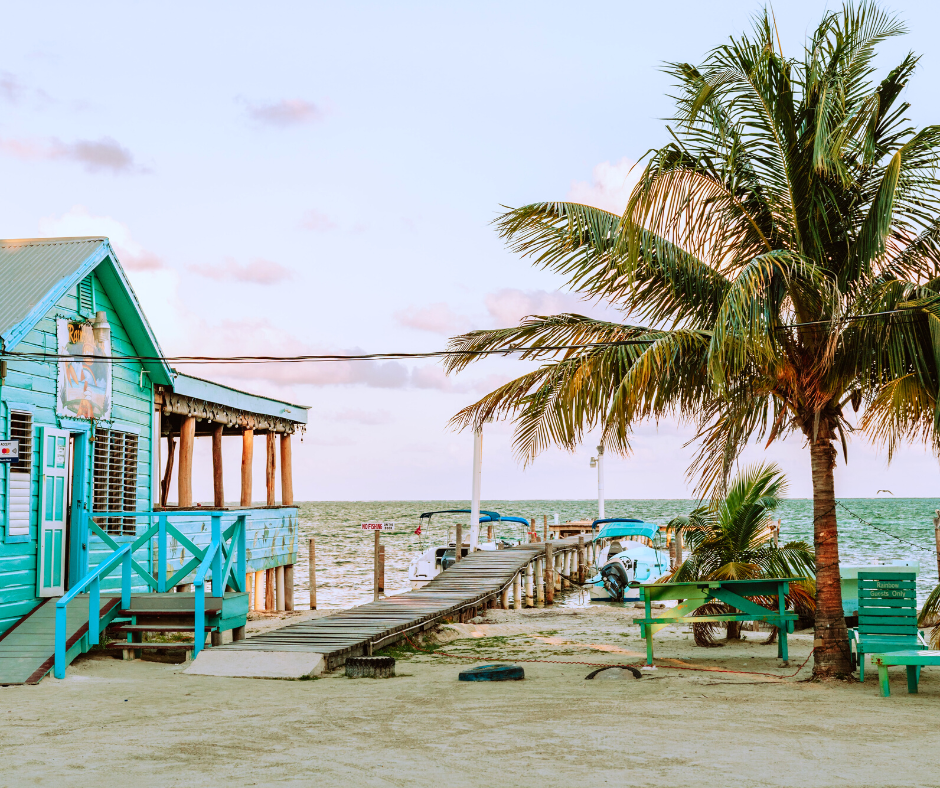 Belize for nomadsBelize is English-speaking, reef-fringed and easy to enter, but pricier than its neighbors and light on coworking. Here is how entry, costs, bases and the remote-work permit actually work in 2026.
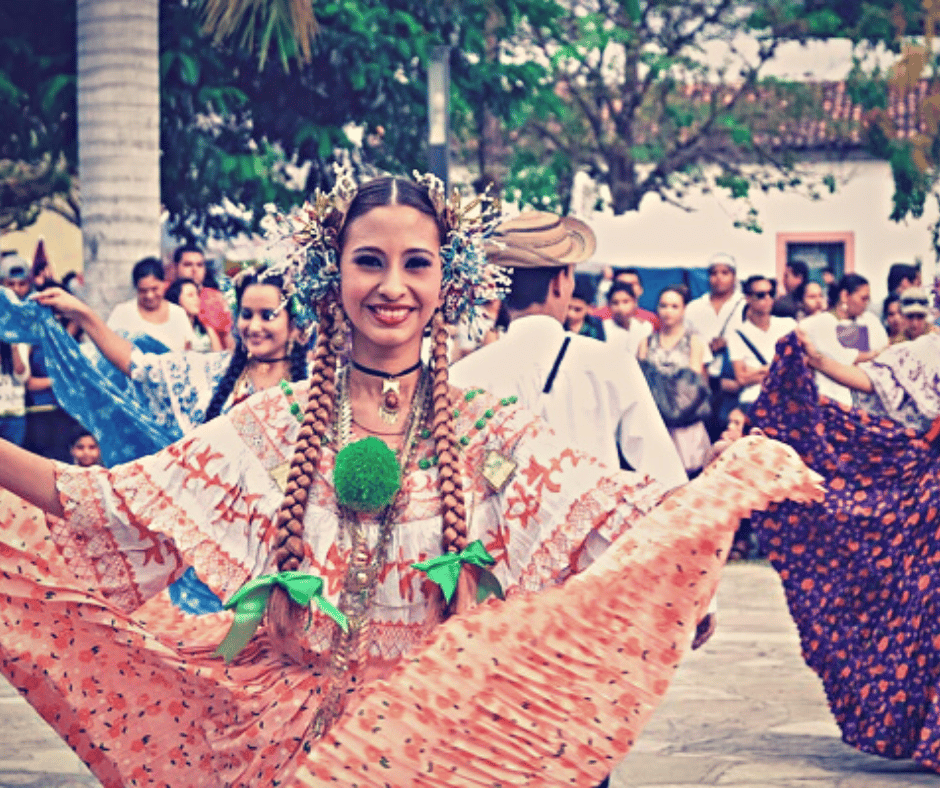 Honduras for nomadsWorld-class diving, a Caribbean island with an English-speaking expat community, and some of the cheapest reef access on earth. Honduras works for nomads if you understand one thing: base yourself on the Bay Islands. Here is the honest 2026 guide.
 Latin America made easyWhere to start in Latin America as a remote worker: 11 bases compared on real monthly costs, the visa that works in each, internet, seasons, and two sample routes for your first three months.