Canary Islands for nomads
Updated:
 Sarah KuhlemannCommunity manager
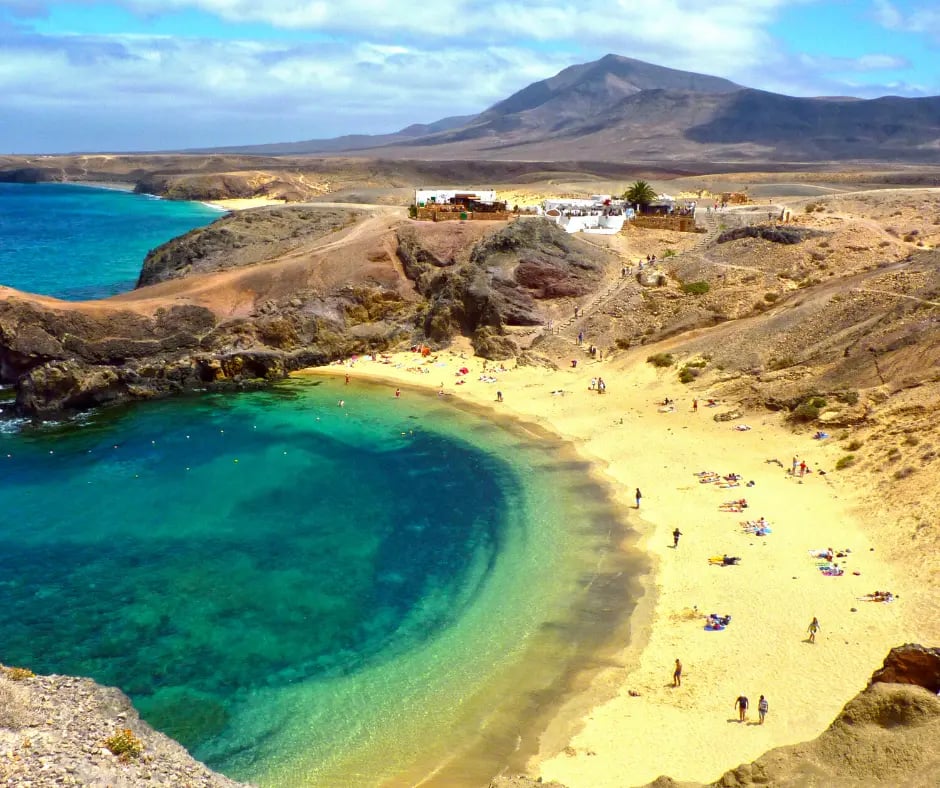
The Canary Islands are Europe's answer to winter. Las Palmas de Gran Canaria averages about 21°C in January, the islands run on the same clock as London and Lisbon, and for EU citizens there is no visa to think about. For everyone else it is Schengen, with the same rules as mainland Spain. That combination makes the archipelago one of the biggest winter nomad hubs in Europe.
Two honest caveats before you book. Winter is high season, so furnished monthly rents from November to March are well above what locals pay on long leases, and the islands are in the middle of a real housing debate. And the islands are not interchangeable: Gran Canaria offers a full city, Tenerife a choice between a green north and a sunny south, and Fuerteventura and Lanzarote small surf towns with fewer services. This guide compares them with November 2026 figures.
🌱 Health insurance for the Canary Islands
Genki TravelerA travel health insurance with worldwide cover. Monthly payment plans, and easy signup in less than 1 minute.Discover Genki Traveler🎯 Canary Islands at a glance
| 🛂 Visa | Part of Spain and the EU. EU citizens need no visa, most others get 90 days in any 180 under Schengen. The Spain digital nomad visa applies here too |
| ⏳ Max stay | Unlimited for EU citizens (register after 3 months), 90/180 days for visa-free non-EU visitors |
| 💶 Monthly budget | About €1,800 to €2,700 for a solo nomad in winter, most of it rent |
| 🌤 Best time | November to March for spring weather, all year in the north of Gran Canaria and Tenerife |
| 🏝 Top areas | Las Canteras (Las Palmas), Santa Cruz and La Laguna, El Médano, Corralejo, Famara |
| 🛜 Internet | Fiber in all cities and most towns, 5G on the main islands |
| 🛡 Safety | Low crime. The real risks are the ocean, summer wildfires and calima dust episodes |
🇪🇸 Entry requirements and visas
The Canary Islands are part of Spain, the EU and the Schengen Area, so the rules are the same as in Madrid. EU and EEA citizens simply arrive and register their residence if they stay longer than three months. Non-EU visitors from visa-free countries get 90 days in any 180-day period across the whole Schengen Area, not per country. Since the EU's Entry/Exit System replaced passport stamps in 2026, your entries and exits are recorded biometrically, so overstays are flagged automatically.
For longer stays, the Spain digital nomad visa covers the islands like the rest of Spain. In 2026 it requires €2,849 a month in income (200% of the Spanish minimum wage), costs €73.26 at the UGE, and gives three years when you apply from inside Spain. Its health insurance rules are among the strictest in Europe. The full guide covers every requirement:
 Spain digital nomad visa 2026: requirements, income and health insuranceSpain's digital nomad visa offers three years of residency and a flat 24% tax option, but its health insurance rules trip up many applicants. Here is what it requires in 2026: income, insurance and how to apply.
Tax, for orientation only: the Canaries have their own indirect tax, the IGIC, instead of Spanish VAT. The general rate is 7%, which is why coworking prices are often quoted "plus IGIC". The islands also have the ZEC, a special economic zone with a reduced corporate tax rate for companies that set up and hire locally. Personal tax residency follows Spanish rules: more than 183 days in Spain in a calendar year, or your main economic interests there, generally makes you a Spanish tax resident. This is general information, not tax advice. The tax residency guide explains how day counts work.
✈️ How to get to the Canary Islands
Most nomads fly. The main airports are Gran Canaria (LPA), Tenerife North (TFN) and Tenerife South (TFS), Lanzarote (ACE) and Fuerteventura (FUE), all with direct flights from most European cities in winter. Flights from mainland Spain take around 2.5 hours, from Central Europe 4 to 5 hours.
By sea, ferries sail from Andalusia: Fred. Olsen Express from Huelva to Tenerife and Gran Canaria (about 33 hours direct), and Baleària, which took over Naviera Armas' Canary routes in 2026, from Cádiz via Lanzarote or Fuerteventura. Book a cabin, it is more than a day at sea. Las Palmas and Santa Cruz de Tenerife are also regular stops on autumn transatlantic repositioning cruises, which some nomads use to cross to the Caribbean: see working remotely on a cruise ship.
🗺 Where to base yourself
A note on climate first. The northeast trade winds hit the north and east of each mountainous island, which keeps them greener, cloudier and a little cooler, while the south and southwest stay sunnier and drier. On Gran Canaria and Tenerife that means a real choice: city life and community in the north, reliable sun in the south. Fuerteventura and Lanzarote are lower and drier everywhere, but windier.
- Gran Canaria: Las Palmas is the archipelago's nomad capital and a real city of about 380,000 people. Las Canteras and Guanarteme put you on a 3 km city beach with a reef-protected swimming area and the La Cicer surf break, with most coworking and nomad meetups within walking distance. Vegueta and Triana, the old town and pedestrian shopping street, are quieter and more local. Ciudad Jardín is a calm residential district between the two. If you want guaranteed sun over city life, the south coast around Arguineguín and Mogán is drier and warmer, but more resort than community.
- Tenerife splits in two. In the north, Santa Cruz is the capital, with a tram line to La Laguna, a UNESCO-listed university town that is cooler and greener. Puerto de la Cruz is a relaxed north-coast town with a long history of foreign residents, and the colivings in nearby La Orotava are among the best known on the islands. In the south, El Médano is a windy surf and kitesurf town near Tenerife South airport, and Costa Adeje has the most reliable winter sun, at resort prices.
- Fuerteventura: Corralejo, on the northern tip, is the island's surf and nomad town, with a ferry to Lanzarote and the dunes on its doorstep. You will want a car or scooter for the surf spots.
- Lanzarote: Famara is a small surf village on a wild beach below high cliffs, quiet and basic. Arrecife, the capital, is the practical alternative, with services, coworking and coliving in town.
Surfers should also read the surf towns guide, which covers Famara, El Médano and Corralejo in more detail.
💶 How much does it cost?
| Per month (winter) | Las Palmas | Tenerife north (Santa Cruz, La Laguna) | Tenerife south (El Médano, Costa Adeje) | Corralejo | Lanzarote (Arrecife, Famara) |
|---|---|---|---|---|---|
| Furnished 1-bed | €1,100-1,500 | €900-1,300* | €1,200-1,800* | €1,200-1,700* | €900-1,300* |
| Coworking | €220 + IGIC | On request | On request | On request | On request |
| Food and transport | ~€700* | ~€650* | ~€700* | ~€700* (plus car) | ~€650* (plus car) |
| Realistic total | €2,000-2,400 | €1,800-2,200* | €2,100-2,700* | €2,100-2,600* | €1,800-2,200* |
The gap between long-term and winter prices is the thing to plan around. Fotocasa's June 2026 data puts long-term rents at about €15.90 per square meter in Las Palmas and close to €20 in Adeje and La Oliva (Corralejo's municipality), and furnished winter months cost considerably more than that. Book December and January early, and consider March or November for better prices.
Coliving is a good alternative to a flat, especially on Tenerife and Fuerteventura. Prices vary by room and season and most houses quote them on their booking pages, so compare a month of coliving (room, workspace, utilities and community) against a flat plus coworking.
The housing debate, factually. Holiday rentals grew fast on the islands: the official tourism register counted about 60,000 holiday homes with almost 250,000 beds in July 2024. In response, the Canarian parliament passed Ley 6/2025, in force since December 13, 2025, which makes tourist use of homes subject to municipal planning, reserves most housing for residents and limits new holiday-rental registrations to renewable five-year periods. Month-long furnished stays are usually signed as seasonal leases under Spain's national tenancy law rather than as holiday lets, but the law adds pressure on the same housing stock, and many residents struggle with rents. Book through registered listings and expect hosts to ask for ID.
 9 warm winter bases for digital nomadsTrade snow for sunscreen: 9 warm bases where winter is the best season, compared on weather, coworking, short-stay costs and community. Plus one famous place to skip.
 Europe under €1,500 a month: 10 cities checkedEurope on a budget still exists, just not where it used to. We checked 16 cities against €1,500 a month with 2026 data: here are the 10 that work, from Bansko to Palermo, with the conditions spelled out.
🧑🏻💻 Where to work from
Gran Canaria
- White Forest: Design-led coworking in Guanarteme, a minute from Las Canteras and the La Cicer surf break, with phone booths and a meeting room. A fixed desk costs €220 a month plus 7% IGIC (November 2026).
- Coco Tropical Coworking: A small, bright space near the port end of Las Palmas, with a meeting room and call booth. Ask for current monthly rates.
Tenerife
- Coworking in the Sun: A long-running space in Puerto de la Cruz, near the botanical garden, attached to a café and a Spanish school, with a soundproof room for calls.
- Zen Den Coworking: Community coworking in Costa Adeje's Pueblo Canario center, a short walk from the promenade, with two meeting rooms.
- Nexus 38 Coworking: A small coworking with 24/7 access in the center of El Médano, popular with kitesurfers.
- Nine Coliving: Coliving and coworking in an 1852 townhouse in the historic center of La Orotava, with daily yoga and breakfast included. Rooms are listed from about US$913 a month on Coliving.com (November 2026).
- Gato Azul Coliving & Coworking: A second coliving in a historic house in La Orotava, with coworking rooms and a rooftop.
Fuerteventura
- CoNomad: 24/7 coworking with a kitchen, call booth and rooftop terrace on Corralejo's main avenue.
- Banama Coliving: Surf, yoga and coworking coliving on the edge of Corralejo. A car or bike helps here.
Lanzarote
- The Square Coworking: Professional coworking in central Arrecife with fast, stable internet.
- Pitaya Coliving: A small coliving next to the Charco de San Ginés lagoon in Arrecife, with yoga and shared meals.
Turismo de Canarias keeps an official directory of remote-working spaces on every island, useful for finding smaller places.
👥 Finding community
Las Palmas has the largest and most organized nomad community on the islands, with weekly meetups, surf sessions and hikes run through coworking spaces and colivings. On Tenerife the scene is split between La Orotava and Puerto de la Cruz in the north and El Médano and Costa Adeje in the south, while Corralejo and Arrecife have smaller, close-knit groups built around their colivings. The easiest way in is to book a month in a coliving or a coworking membership and join what they organize.
🛜 Internet and SIM cards
Internet is not a worry in the main bases. Fiber is standard in Las Palmas, Santa Cruz and the larger towns, coworking spaces and colivings advertise fiber connections, and 4G and 5G cover the populated coasts of all four main islands. Coverage gets patchy in mountain areas and remote valleys, so download maps before you hike.
For SIM cards, Movistar, Vodafone, Orange and Digi all sell prepaid plans in shops on the islands, and you need your passport to register a Spanish SIM. As an EU country, Spain also falls under EU roaming rules, so an EU SIM works at home prices. The simplest option for most nomads is a global eSIM from Pangia, which covers Spain and whatever country comes next.
🌤 When to go where
| Area | 🌞 Best time | 🌧 Weakest | Why |
|---|---|---|---|
| Las Palmas | Nov-Apr | None | Spring-like all year, around 21°C in January. Summer is often grey and cloudy, locally called "panza de burro" |
| Gran Canaria south | Nov-Mar | Jul-Sep | The sunniest coast in winter, hot in summer |
| Tenerife north | Apr-Oct | Dec-Feb | Green and mild, but winter brings more cloud and rain, and old houses can feel damp |
| Tenerife south | Nov-Apr | Jul-Sep | Most reliable winter sun on the islands. El Médano is windy all year |
| Fuerteventura and Lanzarote | Oct-Apr | Jul-Aug | Dry and sunny, windiest in summer when the trade winds peak |
Across all islands, watch for calima: episodes of Saharan dust that turn the sky orange, worsen air quality and can raise temperatures sharply for a few days, most often in winter and late summer. AEMET, Spain's weather agency, issues warnings on aemet.es.
🚌 Getting around
- Buses are called guaguas. On Gran Canaria, Guaguas Municipales runs the Las Palmas city network and Global the island routes, including the airport. On Tenerife, TITSA covers the whole island, and the Tenerife tram links Santa Cruz with La Laguna. Both islands are easy without a car if you base yourself in a city.
- Car rental is cheap by European standards and close to essential on Fuerteventura and Lanzarote, and for Tenerife's and Gran Canaria's mountains.
- Inter-island flights: Binter connects all the islands with short, frequent flights.
- Inter-island ferries: Fred. Olsen Express and Baleària (formerly Naviera Armas) connect the main islands, including Tenerife with Gran Canaria and La Gomera, and Corralejo with Lanzarote. Check current routes and timetables on their sites.
🚧 Safety
The Canary Islands are among the safest places in Spain for visitors, and violent crime against tourists is rare. Watch for pickpockets in busy resort areas and never leave valuables in a rental car. The real risks are natural:
- The ocean: Atlantic swells and rip currents are dangerous, especially on north-facing beaches and in winter. Swim at guarded beaches, respect the flags and read the official safe bathing tips.
- Calima: during dust episodes, people with asthma or heart conditions should limit outdoor activity.
- Wildfires: summer brings fire risk to the pine forests of Tenerife and Gran Canaria, and trails can close at short notice.
- Hiking: trails are steep and weather changes fast in the mountains. Carry water and check closures before you go.
Check your own government's travel advice for Spain before you travel (checked November 2026). The emergency number is 112.
🏥 Healthcare
Healthcare on the islands is good. EU citizens with a European Health Insurance Card (EHIC) can use the public system, the Servicio Canario de Salud, for necessary care during a temporary stay. Residents registered with Spanish social security use it as their main system. Private clinics and hospitals, for example the Hospiten and Vithas groups, operate on the larger islands, often with English-speaking staff, and are where most visitors without EHIC are treated. They expect payment or proof of insurance. Tap water is generally safe in the cities but often desalinated and not pleasant to drink, so most people buy bottled or filtered water.
🎖 Must see
- Roque Nublo (Gran Canaria): The island's landmark rock at its volcanic center, reached by a short hike. Parking at the trailhead is restricted, so check current access rules or take the bus from Tejeda.
- Teide National Park (Tenerife): Spain's highest peak at 3,715 meters and a UNESCO World Heritage site. The cable car takes you to 3,555 meters. The last stretch to the summit, the Telesforo Bravo trail, needs a permit booked in advance on Tenerife ON, and since January 19, 2026 visitors who live outside the Canaries pay a €15 fee for daytime slots.
- Timanfaya National Park (Lanzarote): Lava fields from the eruptions of the 1730s, visited from the Islote de Hilario with its geothermal demonstrations and the bus route through the volcanoes.
- Corralejo dunes (Fuerteventura): A protected natural park of white sand dunes running south from Corralejo to the sea.
- Anaga (Tenerife): Ancient laurel forest and steep ridges in Tenerife's northeast, with trails starting at the Cruz del Carmen visitor center above La Laguna.
- La Gomera and La Palma: Quieter, greener side trips by ferry from Tenerife. La Gomera's Garajonay National Park protects one of Europe's largest laurel forests, and La Palma has dark skies and dramatic volcanic landscapes.
❓ Frequently asked questions
Yes. November to March is the peak nomad season, with spring-like weather (around 21°C in January in Las Palmas), European time zones, EU infrastructure and established nomad communities. The trade-off is price: winter is high season for furnished rentals, so book early.
Gran Canaria for most people: Las Palmas has the biggest community, the most coworking and a real city. Tenerife suits nomads who want a choice between the green north and the sunny south. Fuerteventura and Lanzarote are best for surfers who are happy in smaller towns with a car.
EU and EEA citizens do not. The islands are part of Spain and Schengen, so visa-free non-EU visitors can stay 90 days in any 180-day period across the Schengen Area, and everyone else needs a Schengen visa.
About €2,000 to €2,400 in winter for a solo nomad: €1,100 to €1,500 for a furnished one-bed near Las Canteras, €220 plus IGIC for a fixed coworking desk, and around €700 for food and transport (November 2026).
Yes in all the main bases. Fiber is standard in the cities and larger towns, coworking spaces and colivings run on fiber, and 4G and 5G cover the populated coasts. Coverage gets patchy only in mountain areas.
Yes. The Canary Islands are part of Spain, so the visa and residence permit work there exactly as on the mainland, with the same €2,849 monthly income requirement in 2026 and the same health insurance rules.
Traveling that area? Check out the Canary Islands' neighborhood.
 Spain for nomadsSpain is five nomad countries in one. Barcelona, Madrid, Valencia, Málaga, Seville and San Sebastián compared, with realistic 2026 short-stay costs, how the digital nomad visa works, and where the communities really are.
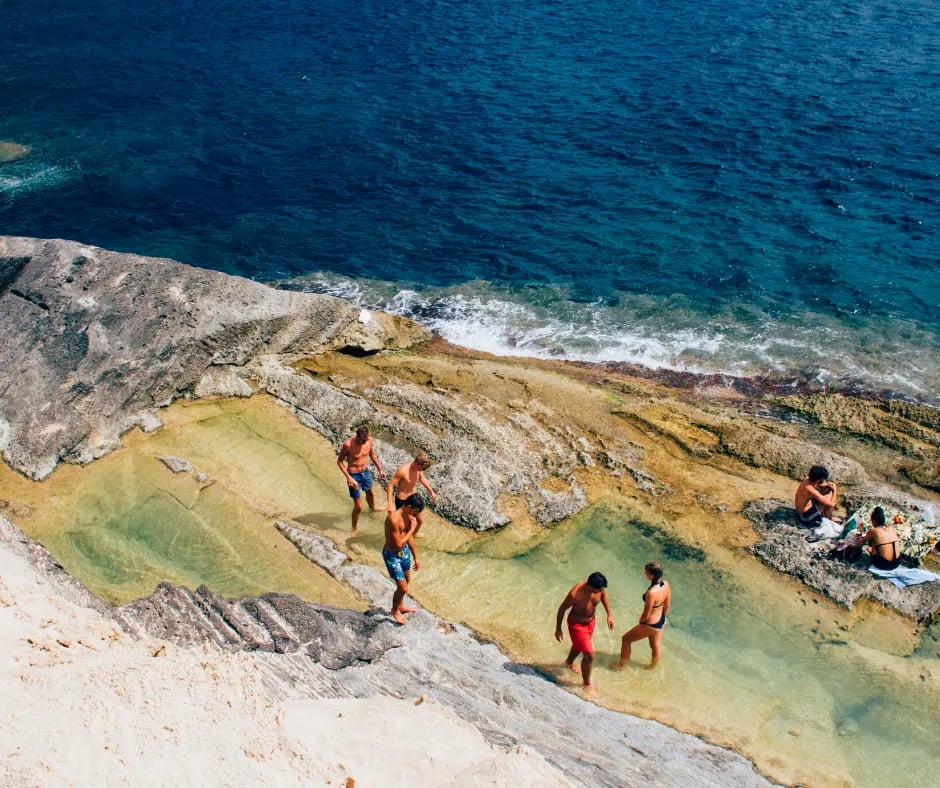 Balearic Islands for nomadsPalma is the Mediterranean's year-round nomad city, while Ibiza and Menorca are seasonal bases. Real 2026 costs, rental rules, coworking and when each island works.
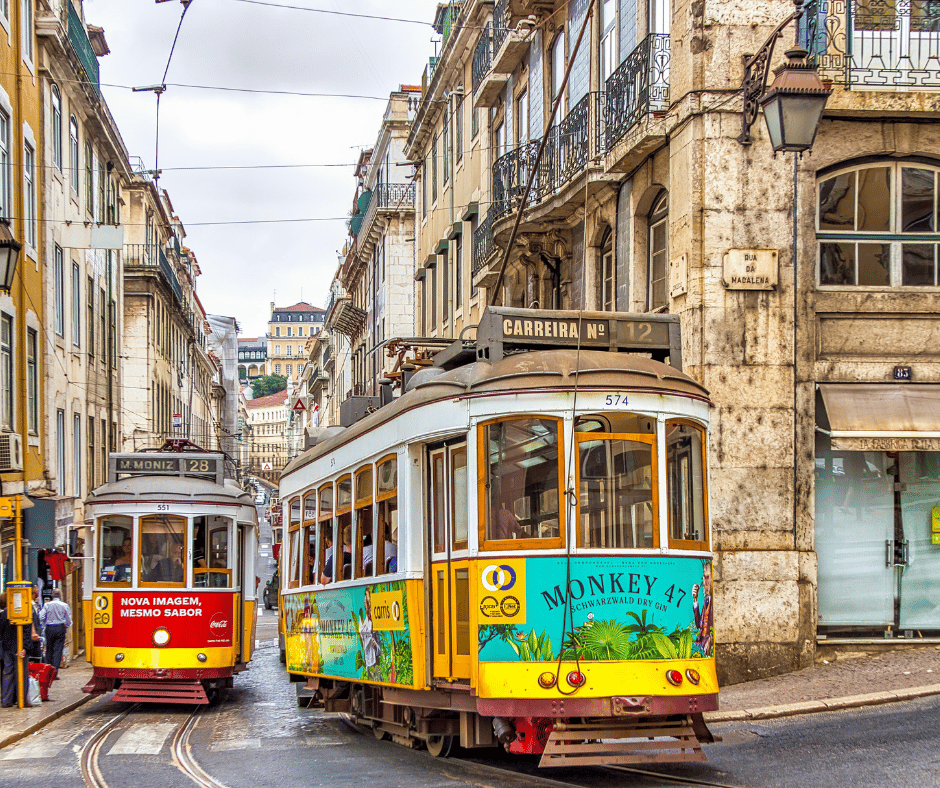 Portugal for nomadsPortugal is still one of Europe's best nomad bases, but the tax deal is gone and citizenship now takes 10 years. The D8 visa, real short-stay costs and where to base yourself in 2026.
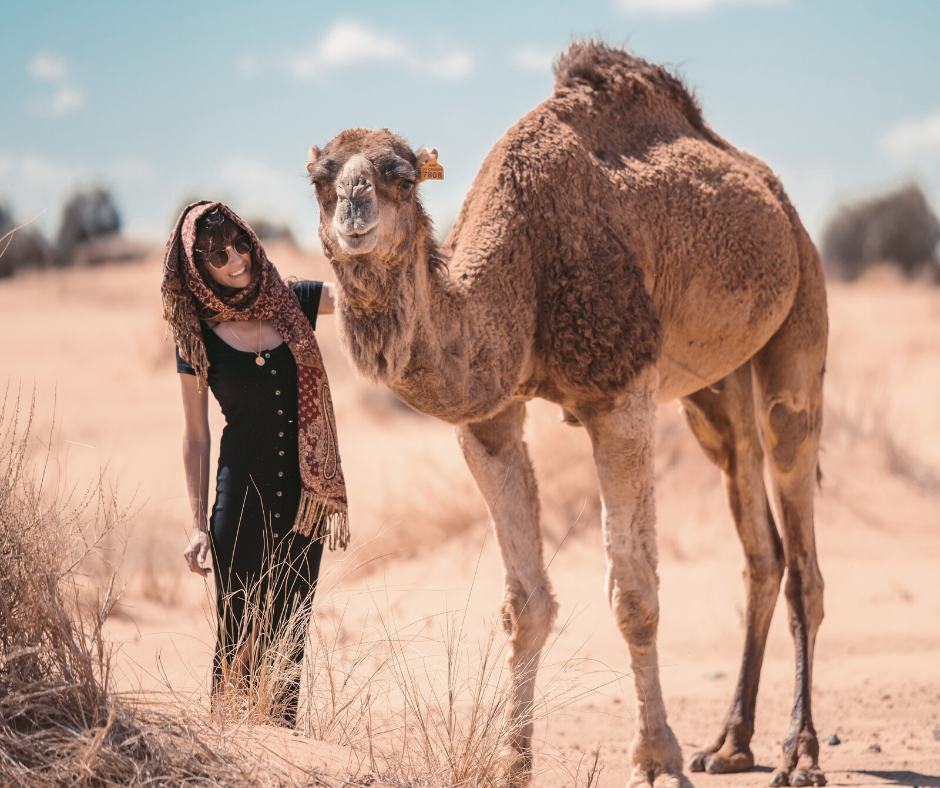 Morocco for nomadsMorocco has no digital nomad visa, but 90 visa-free days, European working hours and short flights from most of Europe make it a strong winter base. Marrakech, Taghazout, Essaouira, Rabat and Tangier compared, with 2026 costs and verified spaces.9 warm winter bases for digital nomadsTrade snow for sunscreen: 9 warm bases where winter is the best season, compared on weather, coworking, short-stay costs and community. Plus one famous place to skip.