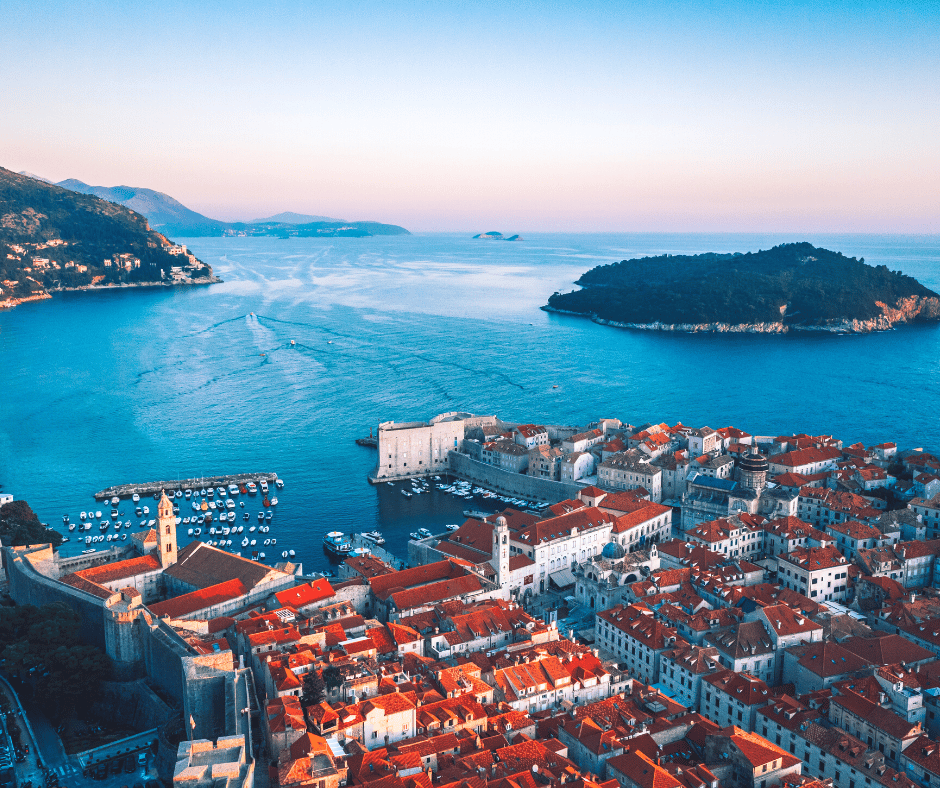
Portugal for nomads
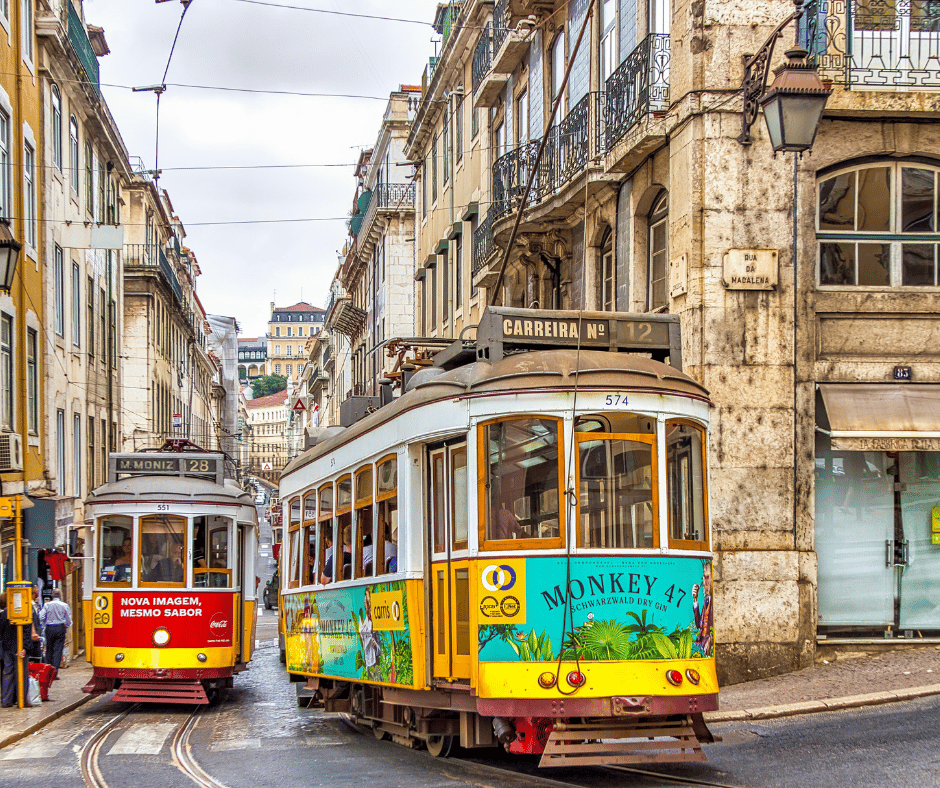
Updated:
 Sarah KuhlemannCommunity manager
Portugal is still one of the best places in Europe to live and work remotely. The cities are safe, fiber is standard, the coastline runs from surf towns to subtropical islands, and the D8 visa gives remote workers a legal route to stay for years rather than months.
Two things have changed, and most guides have not caught up. The tax regime that made Portugal famous closed to new arrivals in 2024, so a full year here now means standard Portuguese tax. And since May 19, 2026, citizenship takes 10 years of legal residence instead of 5. This guide covers what still works, what it really costs and where to base yourself.
🌱 Health insurance for Portugal
Genki TravelerA travel health insurance with worldwide cover. Monthly payment plans, and easy signup in less than 1 minute.Discover Genki Traveler🎯 Portugal at a glance
| 🛂 Visa | EU and EEA: free movement. Non-EU: 90 days in any 180 (Schengen). D8 nomad visa from €3,680 a month |
| ⏳ Max stay | 90 days in 180 visa-free. D8 residence route: 2 year permit, renewable for 3 year periods |
| 💶 Monthly budget | €1,300 in Coimbra to €2,900 in central Lisbon for a short stay (November 2026) |
| 🌤 Best time | April to June and September to October. Madeira works year-round |
| 🏝 Top areas | Arroios and Graça (Lisbon), Bonfim (Porto), Ponta do Sol (Madeira), Lagos, Ericeira |
| 🛜 Internet | Fiber in every city, strong mobile coverage on the mainland and Madeira |
| 🛡 Safety | US advisory Level 1 (exercise normal precautions), reissued December 2025 |
🇵🇹 Entry requirements for Portugal
- EU and EEA citizens: free movement with a national ID card or passport. Staying longer than 3 months means registering with the local council (câmara municipal) for a registration certificate.
- Non-EU citizens: Portugal is in Schengen, so visa-free nationalities get 90 days in any 180-day period. Everyone else needs a Schengen visa before traveling.
- EES: the EU's Entry/Exit System registers non-EU short-stay travelers with fingerprints and a facial image at the border. Overstays are now flagged automatically.
- ETIAS: not in operation yet. As of November 2026, the European Commission says it will announce the start date several months in advance, and the fee is set to be €20 once it launches. Applications will only run through the official europa.eu/etias site.
💻 Portugal's digital nomad visa (D8)
The D8 has two routes that are easy to confuse. The temporary stay visa covers up to 1 year with multiple entries, but it does not lead to a residence permit. The residence visa gives you 4 months and 2 entries to reach Portugal, then a 2 year residence permit from AIMA, the migration agency, renewable for 3 year periods. Permanent residence is possible after 5 years. Only the second route builds toward a life here.
The 2026 essentials:
- Income: €3,680 gross a month, averaged over the previous 3 months. That is 4 times the minimum wage of €920 set for 2026, so the bar rises whenever the minimum wage does.
- Family: add €460 a month for a spouse or other adult and €276 per child, based on Portugal's general means-of-subsistence scale.
- Savings: consulates commonly ask for about €11,040 (12 times the minimum wage). That is consular practice rather than a D8-specific legal rule, so check your post's checklist.
- Fees: €110 for the consular visa (in force since March 2025 under Portaria 91/2025/1), plus about €170 to €230 for the residence permit under AIMA's fee table (November 2026).
- Timeline: the consular stage has an official 60-day deadline. The AIMA stage has no published timeline and often takes several months, so avoid non-refundable plans built around an appointment date.
- Also needed: remote work for employers or clients outside Portugal, proof of your current tax residence, criminal record documentation, accommodation and health insurance. New applications are made at a consulate abroad, not from inside Portugal.
The tax deal is gone
The Non-Habitual Resident regime (NHR), which exempted most foreign income for 10 years, closed to new applicants in 2024, and its last transitional registrations ended in March 2025. Its successor, IFICI, keeps a 20 percent flat rate but is limited to research, technology, startups and specific qualified professions. Most remote workers with foreign employers do not qualify.
Spend more than 183 days in Portugal, or keep a home here that looks like your habitual residence, and you become tax resident, with standard progressive rates of roughly 13 to 48 percent on worldwide income. The D8 gives you the right to live here, not a tax advantage. This is general information, not tax advice: speak to a Portuguese accountant before committing to a full year. The guides to digital nomad taxes and tax residency explain the wider picture.
Citizenship now takes 10 years
Portugal's new nationality law, Lei Orgânica 1/2026, has been in force since May 19, 2026. Naturalization now requires 10 years of legal residence (7 for EU and CPLP citizens), counted from your first residence permit, plus a culture and civics test on top of the A2 Portuguese requirement. Permanent residence at 5 years is unchanged. The famous 5 year route to an EU passport is over for new applicants.
Planning a permanent move? Moviinn, a Genki partner, offers relocation support tailored to individuals, families and businesses moving to Portugal.
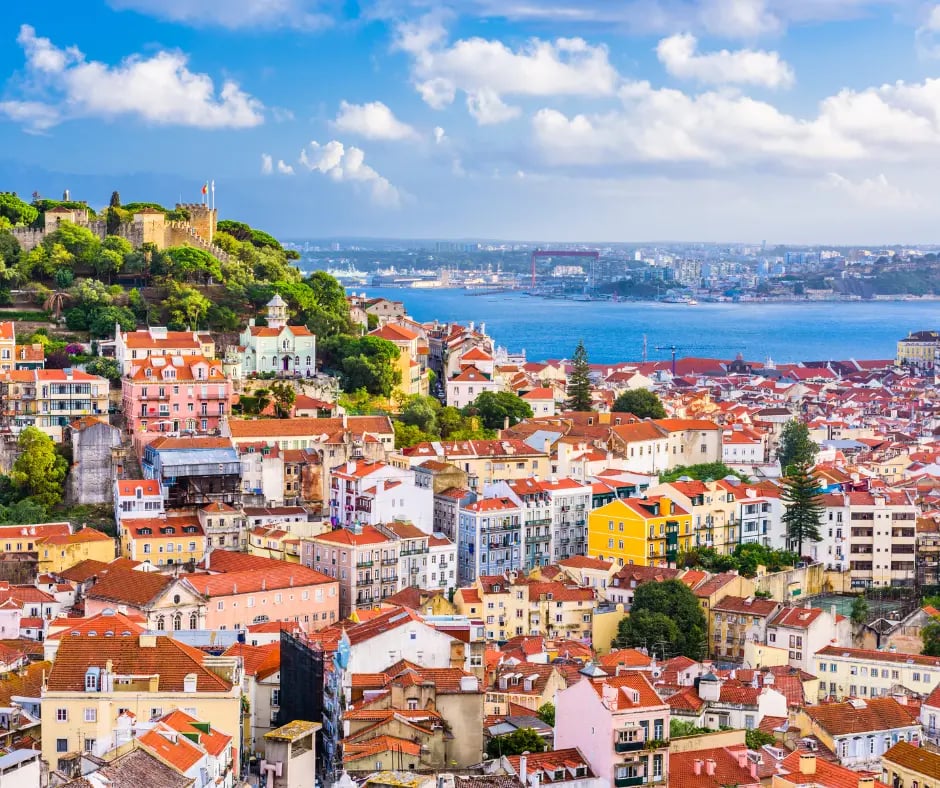 Portugal digital nomad visa: requirements and how to applyPortugal's D8 lets you live and work remotely for up to five years, if you clear the €3,680 income bar. Here is who qualifies, what it costs, and the tax change that most guides still get wrong.
 Countries with nomad visasWhich countries offer digital nomad visas, what do they cost, and which one fits your income and plans? Here are the programs worth knowing, with requirements, fees, and insurance rules verified against official sources.
 Moviinn: Your digital assistant to move to Portugal
✈️ How to get to Portugal
- Lisbon (LIS): the main gateway, 7 km from the center and connected by the red metro line, with strong links to Europe, Africa and Latin America.
- Porto (OPO): well served across Europe, often cheaper than Lisbon, and on metro line E into the city.
- Faro (FAO): the Algarve's airport, dominated by low-cost carriers.
- Funchal (FNC): Madeira's airport, known for its dramatic runway. Strong winds occasionally divert flights, so build slack into connections.
Overland, trains from Galicia reach Porto and long-distance buses link Madrid and Seville with Lisbon. The Spain and Portugal by train itinerary covers the slow route.
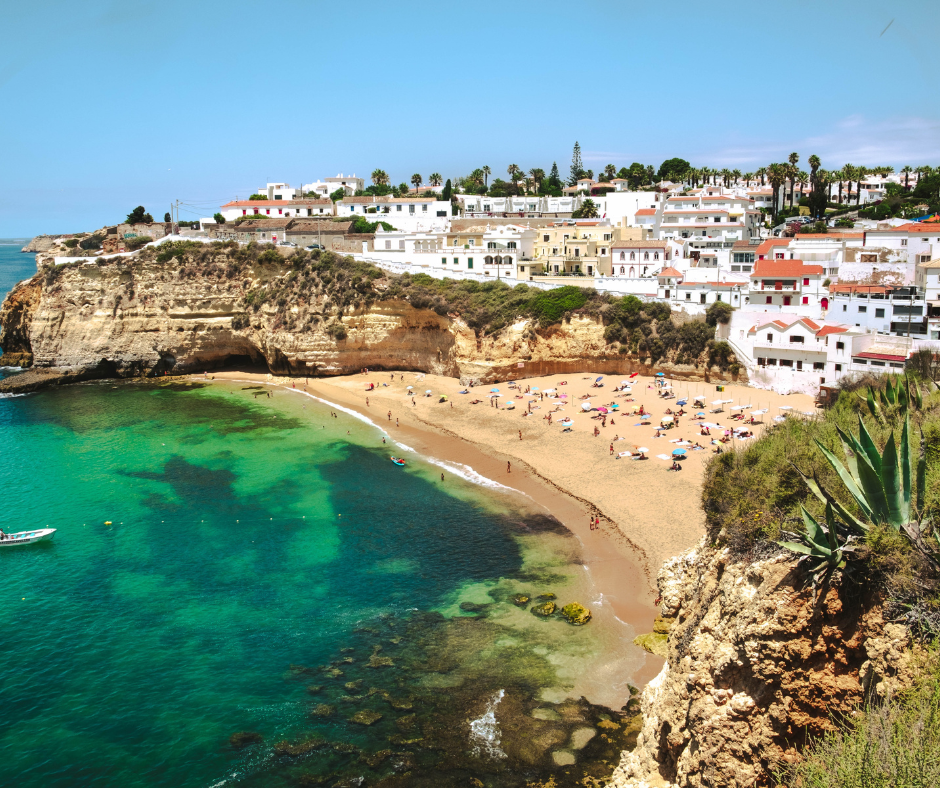 Spain & Portugal by trainThere is no direct train between Madrid and Lisbon, so crossing the Iberian border overland means a bus, a river ferry and a time zone change. I did the whole trip from Barcelona to Porto myself. Here is every leg, what it costs in 2026, and where to work along the way.
🗺 Where to base yourself
- Lisbon has the biggest nomad scene in southern Europe, the widest coworking choice and the highest prices. Arroios is multicultural, full of cafés and cheaper than the center. Graça is hilltop and quieter, with views and steep streets. Santos is a riverside design district a short walk from the coworking spaces, and Cais do Sodré puts you next to Second Home and the nightlife, noise included. Rents are a sensitive subject here, so be a considerate guest.
- Porto is the value alternative that keeps converting people: smaller, hillier and better fed for the money. Bonfim is residential and creative, with new cafés east of the center. Cedofeita is the gallery district around Rua de Miguel Bombarda. Boavista is calmer and business-like, with the metro and Casa da Música on the doorstep.
- Madeira is the only genuinely year-round base. Ponta do Sol is home to the Digital Nomads Madeira Nomad Village, with a free workspace and a weekly community lunch. Funchal, the capital, has the services, the restaurants and more rental choice.
- The Algarve is a season rather than a year. Lagos has the liveliest winter nomad crowd and the cliffs of Ponta da Piedade. Faro is a real town with the airport and the coastal railway. July and August are crowded and expensive.
- Ericeira, about 50 km northwest of Lisbon, is a World Surfing Reserve with a cluster of colivings. The Portugal surf towns guide compares it with Peniche, Sagres and the Algarve coast.
- Coimbra is the budget pick: a university town between Lisbon and Porto with Portugal's lowest base costs on this list and almost no nomad scene. It made the cut in Europe under €1,500 a month, as long as you live outside the center.
💶 How much does it cost?
| Per month | Furnished studio or 1BR | Coworking | Food | Transport | Realistic total |
|---|---|---|---|---|---|
| Lisbon (Arroios, Graça) | €1,400–1,800 | €150–250 | €450–600 | €40 (Navegante) | €2,200–2,900 |
| Porto (Bonfim, Cedofeita) | €1,000–1,400 | €120–200 | €400–550 | €30–40 (Andante) | €1,700–2,300 |
| Madeira (Funchal, Ponta do Sol) | €950–1,300 | €0–150 | €400–550 | €60–300 (bus or car) | €1,500–2,400 |
| Algarve (Lagos, Faro, Oct–May) | €1,000–1,500 | €100–180 | €400–550 | €60–300 (bus or car) | €1,700–2,700 |
| Ericeira | €1,000–1,500 | €100–180 | €400–550 | €40–80 | €1,700–2,500 |
| Coimbra | €700–1,000 | €100–150 | €350–500 | €30–40 | €1,300–1,800 |
These are realistic short-stay figures for a furnished studio or one-bedroom booked for one to three months, dated November 2026, with €100 to €200 added for phone, gym and everything else. They sit above long-term asking rents because furnished monthly stays carry a premium: Idealista's October 2026 medians were €23.8 per m² in Lisbon, €18.3 in Porto, €16.5 in Funchal, €15.0 in Faro and €11.9 in Coimbra. Coliving rooms at Outsite start at about $45 to $77 a night (November 2026), with lower rates for longer stays.
Daily life is still affordable: a bica (espresso) costs about €1, a pastel de nata €1.30 to €1.50, and a lunchtime prato do dia €8 to €12. Lisbon's Navegante pass costs €40 a month for the whole metropolitan area or €30 within one municipality, and Porto's Andante pass has the same two prices. Uber and Bolt are affordable across the country. The Lisbon cost of living guide breaks the capital down by neighborhood.
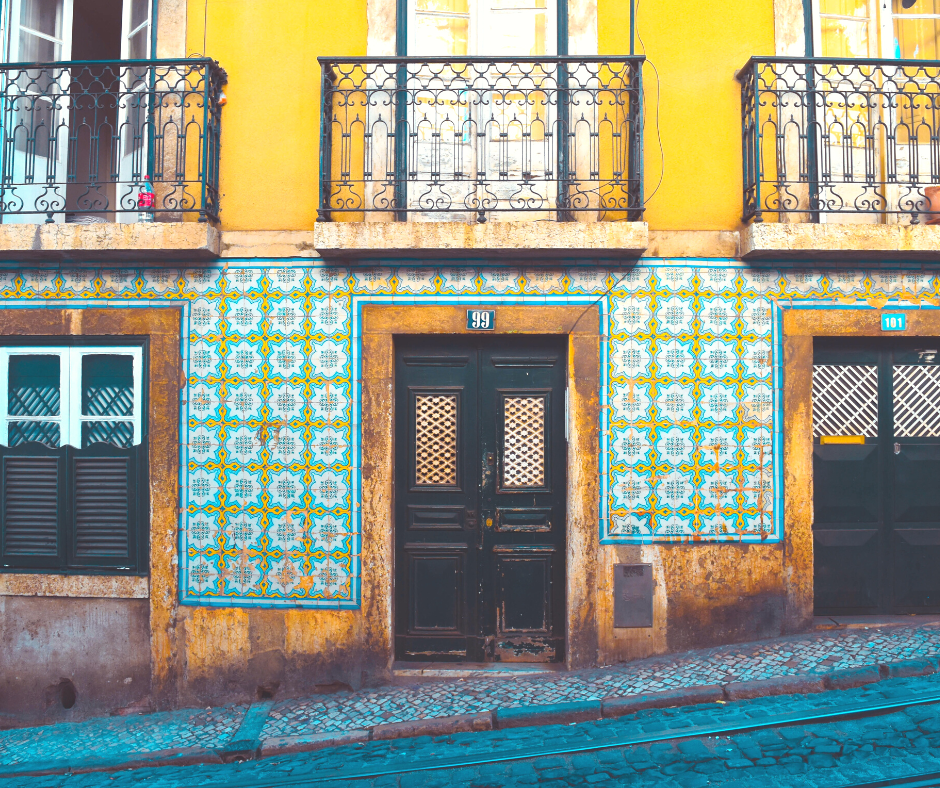 Lisbon cost of livingWhat a month in Lisbon really costs a nomad in 2026: €2,200 to €2,900 in your own furnished place, less in coliving. Rent by neighborhood, everyday prices and how to spend less.
🧑🏻💻 Where to work from
Lisbon
- Second Home Lisboa: above the Time Out Market in the Mercado da Ribeira, with hundreds of plants and curved desks. Roaming desks from €165 a month plus VAT, day passes from €25 plus VAT. Open 08:00 to 22:00 on weekdays and closed at weekends.
- LACS Conde d’Óbidos: a restored dockworkers' building on the river in Alcântara, with creative studios and cowork plans from €20 plus VAT.
- Outsite: coliving with workspaces in Lisbon (Cais do Sodré and Intendente), plus Cascais, Ericeira, Sagres, Vilamoura and Ponta do Sol in Madeira.
Porto
- Vertical Coworking: three spaces around the Bolhão market with 24/7 access and daily, weekly or monthly Flex Passes. The newest, Vertical Dom Henrique, adds a streaming room and a wellness area.
- Facts Coworking: in Boavista, 100 m from the Rotunda da Boavista and a short walk from Casa da Música metro station.
Madeira
- Digital Nomads Madeira: the free working space at the John dos Passos Cultural Center in Ponta do Sol, open 09:00 to 18:00, with a community lunch every Wednesday and more official community locations in Funchal, Machico and Santa Cruz.
- Outsite Ponta do Sol: coliving with a workspace in the same village.
Coimbra
- WorkOffice: about €145 a month including VAT (checked September 2026).
- Fluxo Coworking: a sixth-floor space on Rua Padre Estevão Cabral with meeting rooms and a kitchen.
A note on cafe working
Lisbon is not a cafe working city. Many cafés brought in no-laptop rules after 2020 and kept them, so the city works from home and from coworking spaces. Porto, Madeira and the Algarve are noticeably more relaxed about it.
👥 Finding community
- Lisbon Digital Nomads on Meetup is the country's biggest group, with a weekly meetup that is the easiest first step in Lisbon.
- Digital Nomads Madeira: register on the project's site for the community lunches, the Friday meetup in Ponta do Sol and the online community.
- Facebook: Digital Nomads Portugal and the regional groups for Porto and the Algarve are the usual places for housing leads and meetups.
- Coworking events: the spaces above run calendars that work as entry points rather than just desks.
 Coliving in Europe: the best spaces for digital nomadsEurope's best coliving spaces by region and season, from an Alpine citadel to small surf towns, with prices checked November 2026 and the Schengen 90/180 maths.
 Coliving for digital nomads: how it works, costs, and how to chooseWhat coliving really costs compared to an apartment and coworking pass, how to pick a good one, and where to find them, with verified prices and no platform sales pitch.
 Portugal surf towns for nomadsSurf guides ignore wifi, nomad guides only know Ericeira. Here are six Portuguese surf towns compared on waves, work and rent, with the months that matter for each level.
 Digital nomad events in Europe 2026/27Europe runs the biggest nomad festival on earth (Bansko) and a dense spring-to-autumn calendar of summits, island retreats and community weeks around it. The season is long, roughly April to December, and spread from the Bulgarian mountains to the Canary Islands, so the planning question is less "is there an event" and more "which three can I string together without crossing the continent twice."
🛜 Internet and SIM cards
Portugal's connectivity is among the most reliable in Europe. Fiber is standard in cities and common in smaller towns, mobile coverage is strong across the mainland and Madeira, and the weak spots are the Madeiran mountains and the inland Alentejo. MEO, NOS and Vodafone compete with the low-cost newcomer Digi, all with prepaid plans sold against your passport. EU roaming rules apply, so an existing EU SIM works without extra charges.
The simplest option is a global eSIM from Pangia: one plan that covers Portugal and whatever country comes next, set up before you land.
🌤 When to go where
| J | F | M | A | M | J | J | A | S | O | N | D | |
|---|---|---|---|---|---|---|---|---|---|---|---|---|
| Lisbon and Ericeira | 🌧 | 🌧 | ⛅ | ☀️ | ☀️ | ☀️ | ⛅ | ⛅ | ☀️ | ☀️ | 🌧 | 🌧 |
| Porto and Coimbra | 🌧 | 🌧 | 🌧 | ⛅ | ☀️ | ☀️ | ☀️ | ☀️ | ☀️ | ⛅ | 🌧 | 🌧 |
| Algarve | ⛅ | ⛅ | ⛅ | ☀️ | ☀️ | ☀️ | ⛅ | ⛅ | ☀️ | ☀️ | ⛅ | ⛅ |
| Madeira | ⛅ | ⛅ | ⛅ | ☀️ | ☀️ | ☀️ | ☀️ | ☀️ | ☀️ | ☀️ | ⛅ | ⛅ |
☀️ best · ⛅ mixed · 🌧 wet
Two things the grid does not show. July and August are marked as mixed in Lisbon and the Algarve because of crowds and prices, not the weather: in the Algarve, a summer month can cost double an October one. And Portuguese homes rarely have central heating, so a damp 12°C January in Lisbon or Porto feels far colder indoors than the number suggests. Ask about heating and dehumidifiers before you book a winter stay.
🚌 Getting around
- Train: CP's Alfa Pendular links Lisbon and Porto in about 3 hours, Intercidades trains cover more stops, and a regional line runs along the Algarve coast from Lagos to Vila Real de Santo António.
- City passes: Lisbon's Navegante costs €40 a month for the whole metropolitan area (metro, buses, trams, ferries and suburban trains) or €30 within one municipality. Porto's Andante works the same way.
- Uber and Bolt: widely available and affordable, often cheaper than a taxi for short hops.
- Bus: Rede Expressos covers the places the train misses.
- Car: worth it only for Madeira, the Alentejo, the Douro valley and the inland Algarve. Not worth it in the cities.
🚧 Safety
Portugal is one of Europe's safest countries. The US travel advisory rates it Level 1, exercise normal precautions (reissued December 2025).
- Pickpocketing: the realistic risk, especially on tram 28, in the Baixa and Alfama, and on crowded metro lines. Violent crime is rare.
- Wildfire season: hot, dry summers bring wildfire risk, especially in the center and north from July to September. Follow warnings from the civil protection authority (ANEPC) and check the fire risk before hiking.
- Sea: Atlantic beaches have strong currents. Swim at lifeguarded beaches and respect the flags.
- Emergencies: dial 112.
🏥 Healthcare
Portugal's public health service, the SNS, is solid, and residents register at their local health center once they have a residence permit. EU and EEA visitors can use their EHIC card for medically necessary state care during a temporary stay. Private hospital groups such as CUF, Luz Saúde and Lusíadas run English-speaking clinics in the main cities, with prices that are moderate by Western European standards. For non-urgent advice, the SNS 24 line (808 24 24 24) can direct you to the right service.
The health issue few guides mention is housing. Portuguese buildings are built for summer, damp winters are common, and mold and respiratory complaints are a real winter pattern. Check for heating, insulation and ventilation before you sign anything. Tap water is safe to drink throughout the country.
🎖 Must see
- Belém: the Jerónimos Monastery, the Belém Tower and the original pastéis de Belém, a short tram ride from central Lisbon.
- Sintra: palaces in the forested hills, an easy day trip by train from Lisbon. Go early on a weekday.
- Ribeira and the Luís I bridge: Porto's riverfront, then the bridge to the port cellars of Vila Nova de Gaia.
- The Douro valley: terraced vineyards along the river, best reached on the Douro line train from Porto.
- Ponta da Piedade: sea stacks and grottoes on the cliffs outside Lagos.
- Madeira's levadas: old irrigation channels turned into hundreds of kilometers of hiking trails through laurel forest.
❓ Frequently asked questions
Yes, the D8, running since October 2022. It comes as a temporary stay visa of up to 1 year, or as a residence visa leading to a 2 year residence permit, renewable for 3 year periods.
€3,680 gross a month in 2026, averaged over 3 months: 4 times the €920 minimum wage. Add €460 for a spouse and €276 per child. Consulates commonly also ask for about €11,040 in savings.
No. The NHR regime closed to new applicants in 2024. Its successor, IFICI, is limited to research, technology, startups and specific professions. Most remote workers pay standard rates of roughly 13 to 48 percent on worldwide income once they are tax resident.
Since May 19, 2026, 10 years of legal residence, or 7 for EU and CPLP citizens, counted from your first residence permit, plus a language and a culture and civics test. Permanent residence is still possible after 5 years.
Porto for value, food and a smaller community. Lisbon for scale, coworking choice and the biggest nomad scene. Asking rents in Porto were about 23 percent below Lisbon's in October 2026.
For a short stay in a furnished place, roughly €1,300 to €1,800 in Coimbra, €1,700 to €2,300 in Porto and €2,200 to €2,900 in central Lisbon (November 2026). Rent is the line that decides your budget.
Traveling that area? Check out Portugal's neighborhood.
 Spain for nomadsSpain is five nomad countries in one. Barcelona, Madrid, Valencia, Málaga, Seville and San Sebastián compared, with realistic 2026 short-stay costs, how the digital nomad visa works, and where the communities really are.Spain & Portugal by trainThere is no direct train between Madrid and Lisbon, so crossing the Iberian border overland means a bus, a river ferry and a time zone change. I did the whole trip from Barcelona to Porto myself. Here is every leg, what it costs in 2026, and where to work along the way.
 Morocco for nomadsMorocco has no digital nomad visa, but 90 visa-free days, European working hours and short flights from most of Europe make it a strong winter base. Marrakech, Taghazout, Essaouira, Rabat and Tangier compared, with 2026 costs and verified spaces.
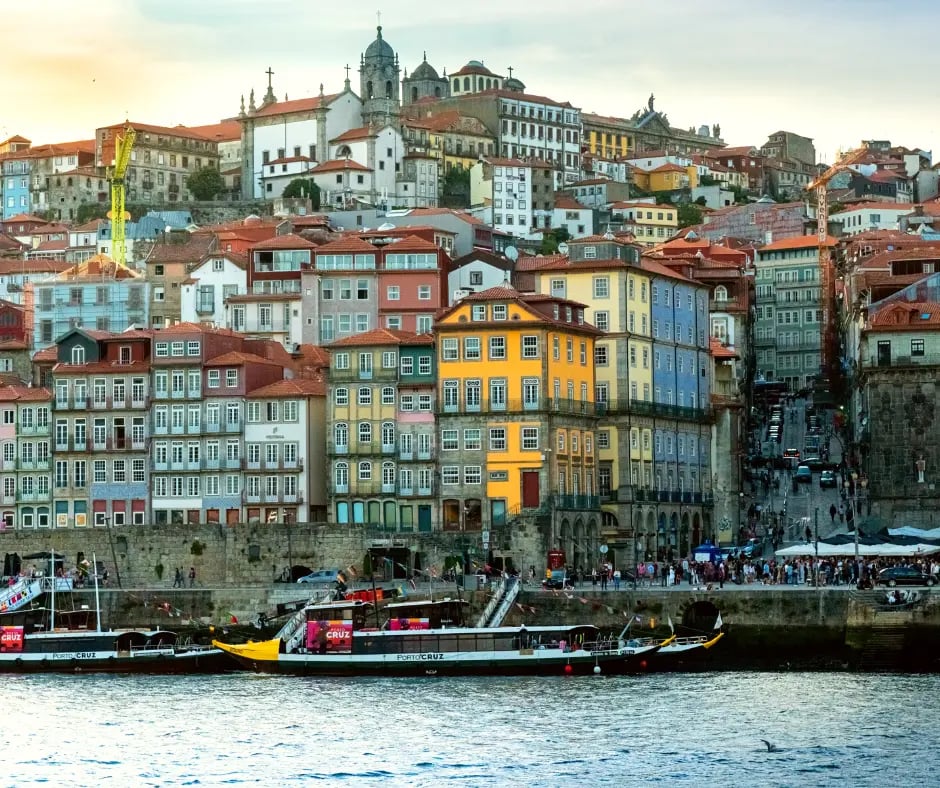 Skip the hotspots: 9 cheaper European cities for digital nomadsLisbon or Barcelona too pricey for a short stay? These 9 European cities have coworking spaces, laptop-friendly cafés and lower prices.