Morocco for nomads
Updated:
 Sarah KuhlemannCommunity manager
Morocco is the closest country to Europe where daily life runs on a completely different rhythm. It is about three hours by air from much of the continent, its clock sits close to European time, and most Western passports get 90 days visa-free. For nomads it splits into two scenes: Marrakech is the city option, with coworking spaces in Gueliz and riads in the medina, and the Atlantic surf villages of Taghazout and Tamraght run on coliving houses and surf camps that peak exactly when Europe is coldest.
It also asks more of you than a Portuguese beach town. There is no digital nomad visa, the medinas come with hassle and haggling, most houses have no heating in winter, and daily life follows the laws of a conservative Muslim country. This guide covers both sides, with every rule and price checked in November 2026.
🌱 Health insurance for Morocco
Genki TravelerA travel health insurance with worldwide cover. Monthly payment plans, and easy signup in less than 1 minute.Discover Genki Traveler🎯 Morocco at a glance
| 🛂 Visa | No digital nomad visa. 90 days visa-free for EU, UK, US, Canadian, Australian and many other passports |
| ⏳ Max stay | 90 days per stay. Extensions are at the discretion of the police |
| 💶 Monthly budget | €850 to €1,500 for a solo nomad, depending on the base and the season |
| 🌤 Best time | October to May. Surf season on the Atlantic coast runs October to March |
| 🏝 Top areas | Gueliz (Marrakech), Taghazout and Tamraght, Essaouira, Agdal (Rabat), Tangier |
| 🛜 Internet | ~79 Mbps median fixed broadband, ~134 Mbps mobile (Ookla, September 2026) |
| 🛡 Safety | US advisory Level 2 (increased caution). Avoid Western Sahara and the Algerian border |
🇲🇦 Entry requirements for Morocco
Morocco has its own entry rules and is not part of Schengen: a Schengen visa is neither required nor enough on its own. Citizens of the countries on the official exemption list, which includes all EU states, the UK, the US, Canada, Australia and New Zealand, can enter visa-free for up to 90 days.
- Staying longer than 90 days: you have to apply for an extension at a police station before the 90 days run out. According to the German Foreign Office, the aliens police decide case by case and usually ask for proof of funds, a recent police certificate and a reason why you need to stay longer. Overstaying is a criminal offense, and overstayers are stopped at the border when they try to leave.
- Passport: no ID cards. The German Foreign Office asks for at least six months of validity on entry and the UK for three, so plan on six. Make sure border officials stamp your passport on arrival: travelers without an entry stamp have had trouble leaving.
- e-Visa: nationalities that need a visa can apply online at acces-maroc.ma if they hold a residence permit or a multiple-entry visa from one of the eligible countries, such as Schengen states, the US, the UK or Canada. The e-Visa allows one entry and a stay of up to 30 days, and it is valid for 180 days from issue.
- Digital nomad visa: Morocco has none. No Moroccan government portal lists a remote work permit, and no program has been announced. Websites that sell a "Morocco digital nomad visa" with an income threshold are describing something that does not exist.
✈️ How to get to Morocco
Most nomads fly in. The main airports are Casablanca Mohammed V (CMN), the long-haul hub, Marrakech Menara (RAK), Agadir Al Massira (AGA) for Taghazout and Tamraght, Fez (FEZ), Rabat (RBA) and Tangier (TNG). Ryanair, easyJet, Wizz Air, Transavia and Air Arabia connect them with much of Europe, and Royal Air Maroc covers the long-haul routes.
Overland, the classic route is the ferry from Spain. Fast ferries from Tarifa take about an hour and arrive at Tanger Ville port, a short walk from the medina. Crossings from Algeciras go to Tanger Med, a cargo port about 40 km east of the city. The Spain and Portugal by train guide covers the journey to the Spanish coast.
🗺 Where to base yourself
- Marrakech is the city base and the easiest landing. Gueliz, the French-built new town, has the coworking spaces, cafés, supermarkets and furnished flats, and it is calmer than the old city. The medina is where the riads are: beautiful, central and atmospheric, but noisy, hard to navigate at night and full of touts. Hivernage next to Gueliz is the upscale, hotel-heavy option. Marrakech is at its best in spring and autumn, and summer regularly passes 40°C.
- Taghazout and Tamraght are Morocco's surf-and-coliving scene, 20 to 40 minutes north of Agadir airport. Taghazout is the village on the famous right-hand point breaks, with the busiest coliving houses. Tamraght, a few kilometers south, is quieter, cheaper and better for learners. The season runs from October to March, and both appear in the winter bases guide and the surf towns guide.
- Essaouira is the small, walled port town on the Atlantic, three hours west of Marrakech. It is artsy, laid-back and windy, which makes it a kitesurf and windsurf hub. Stay inside the medina for character, or in the newer streets just outside it for quieter nights and parking.
- Rabat is the capital and the calm, orderly choice: clean streets, a tram, a beach, and the Al Boraq high-speed train to Tangier and Casablanca. Agdal is the practical base for cafés and coworking, while Hassan and the area around the Kasbah of the Udayas are the scenic old side.
- Tangier is the gateway from Spain: a port city with a Mediterranean feel, a fast-changing waterfront, and the high-speed train south. Stay in the city center around Boulevard Pasteur, in Malabata for sea views, or in Marshan for the quiet, leafy side above the medina.
💶 How much does it cost?
| Per month | Marrakech (Gueliz) | Taghazout & Tamraght | Essaouira | Rabat & Tangier |
|---|---|---|---|---|
| Furnished room or 1BR | €600-1,000 | €550-1,000 (peak in winter) | €500-850 | €600-1,000 |
| Coliving (bed + desk) | Few options | €350-1,100 | Few options | Few options |
| Coworking | €135-165 | €110 or included | €90 | €175 |
| Food | €200-350 | €200-350 | €200-300 | €220-350 |
| Transport | €30-60 | €20-50 | €15-30 | €30-50 |
| Realistic total | €950-1,500 | €800-1,500 | €850-1,300 | €1,000-1,500 |
Prices use €1 ≈ 11 MAD (November 2026). The dirham is a closed currency, so you can only change it inside Morocco. Day to day, Morocco is cheap: a simple restaurant meal costs around 40 to 50 MAD (about €4), a coffee about 20 MAD (€2), and a petit taxi ride across town usually stays under 30 MAD (€3). Rent decides your budget. Furnished short stays in Gueliz and on the surf coast cost noticeably more than local long-term leases, and Taghazout rents peak with the surf season from December to February.
 9 warm winter bases for digital nomadsTrade snow for sunscreen: 9 warm bases where winter is the best season, compared on weather, coworking, short-stay costs and community. Plus one famous place to skip.
🧑🏻💻 Where to work from
Marrakech
- L'Blassa: a coworking and café space in Gueliz, behind the Carré Eden mall, with fiber, a printer and member events. Passes cost 100 MAD (about €9) a day, 500 MAD a week and 1,500 MAD (about €136) a month.
- Cowork in Marrakech: a quiet space in the Marrakech Plaza complex on Place du 16 Novembre, open Monday to Friday. A standard desk costs 150 MAD (about €14) a day or 1,800 MAD (about €164) a month including VAT.
Taghazout and Tamraght
- SunDesk: the pioneer of the Taghazout scene and one of the Guide's favorite coworking spaces, combining coworking and coliving with ocean-view desks, 200/20 Mbps internet, a private call room and breakfast. Monthly packages with a room and a desk start at €29.50 a day in a budget room (about €885 a month). The minimum stay is 10 days, so book ahead for winter.
- Kasbari: a coliving house in Tamraght with a garden coworking space, surf trips, shared dinners and a guest WhatsApp group. From September to April, a dorm bed costs €350 a month and a private room €650. The coworking is open to outside guests at 80 MAD a day or 1,200 MAD (about €109) a month.
- Adventure Keys: a surf hostel in Taghazout with dorms, private rooms, a rooftop and a coworking corner. Better for a surf-first stay than for a call-heavy work schedule.
Essaouira
- Rimal Network: a coworking café with 200 Mbps fiber, open Monday to Saturday. Passes cost 70 MAD for a full day and 1,000 MAD (about €90) a month.
- Noqta Space: a café-coworking space in the medina, built for nomads, with a few guest rooms.
Rabat and Tangier
- Commons Agdal: full-service coworking near the Agdal tram stop, with 24/7 hot desks at 1,900 MAD (about €173) a month, plus day passes.
- Spaces Tangier: the international chain's coworking in central Tangier around Boulevard Pasteur, with prices on request. The independent scene in Tangier is thin, so expect café work in between.
👥 Finding community
- Coliving houses are the heart of the scene in Taghazout and Tamraght. Surf sessions, shared dinners and house WhatsApp groups do the work that meetups do elsewhere, and a first month in a coliving is the fastest way in.
- In Marrakech, community runs through the coworking spaces. L'Blassa includes its events in its passes, and the Gueliz café scene fills the rest.
- Facebook groups for Marrakech, Taghazout and Essaouira post housing leads and meetups. Search for the city name with "digital nomads" or "expats", and check that a group is still active before you rely on it.
- Rabat and Tangier have professional and startup networks rather than nomad scenes. Language exchanges and coworking events are the way in, and French opens more doors than English.
🛜 Internet and SIM cards
Morocco's internet is solid in the cities: median fixed broadband runs at about 79 Mbps and mobile at about 134 Mbps (Ookla, September 2026), and coworking and coliving spaces in the main bases advertise up to 200 Mbps fiber. Thick riad walls can kill wifi between rooms, so ask any host for a speed test from the room you will work in.
The three operators are Maroc Telecom, Orange and inwi. Maroc Telecom is generally considered the strongest outside the cities, which matters in the mountains and the desert. All three have shops in the arrivals halls of the main airports. You need your passport to register a SIM, and prepaid data packages are cheap.
The simplest way to stay connected is a global eSIM from Pangia: one plan that covers Morocco and whatever country comes next. For a month or more, a local prepaid SIM is a cheap backup for calls, hotspotting and local numbers.
🌤 When to go where
| Region | 🌞 Best time | 🌧 Avoid | Why |
|---|---|---|---|
| Marrakech | Oct-Nov, Mar-May | Jun-Aug | Warm, sunny shoulder seasons. Summer passes 40°C, and winter nights are cold in unheated houses |
| Atlantic coast (Taghazout, Essaouira) | Oct-Mar | None | Surf season and mild winter days around 20°C. Summer is pleasant but windy, with smaller waves |
| The north (Tangier, Chefchaouen) | Apr-Jun, Sep-Oct | Dec-Feb | Mediterranean spring and autumn. Winters are rainy and cool |
| The desert (Merzouga, Erg Chegaga) | Oct-Apr | Jun-Aug | Warm days and cold nights in the cool season. Summer heat is extreme |
| High Atlas | Apr-Jun, Sep-Oct | None | The best hiking months. Heavy snow can close roads from November to March, and Oukaïmeden, about 1.5 hours from Marrakech, runs ski lifts in snowy winters |
🚌 Public transport in Morocco
- Trains: ONCF runs Africa's only high-speed line. Al Boraq connects Tangier with Rabat and Casablanca, with Tangier to Casablanca in about 2 hours 10 minutes, and regular Al Atlas trains continue to Marrakech and Fez on one ticket. A high-speed extension from Kénitra to Marrakech is under construction and has changed some timetables since September 2026, so check before you book.
- Buses: CTM and Supratours, the bus arm of ONCF, are the reliable intercity operators and cover the routes the train does not, such as Marrakech to Essaouira and Agadir, or Tangier to Chefchaouen. Book a day ahead in high season.
- Petit taxis: small, color-coded city taxis. Ask for the meter ("le compteur"), and expect the driver to pick up other passengers on the way.
- Grand taxis: shared cars between towns that leave when full at fixed fares. You can also hire one for the day or for an airport transfer.
- Ride-hailing: inDrive and Careem are widely used, and Uber has been back since late 2025 with licensed taxis in Casablanca and Marrakech. The UK travel advice warns that many app rides are unlicensed and uninsured, and police may stop them.
- Car rental: the way to see the Atlas, the desert and the coast at your own pace. UK drivers need the 1968 international driving permit, and German licenses are recognized for up to a year. Avoid driving after dark, when unlit vehicles, pedestrians and animals share the road.
🚧 Safety
The US travel advisory places Morocco at Level 2 (exercise increased caution), last reissued in September 2026, the same level as Spain or France. The UK and German advice, both checked in November 2026, add details worth knowing:
- Regions to avoid: the German Foreign Office strongly advises against travel to Western Sahara and the immediate border area with Algeria, and against traveling alone in the Rif mountains, where cannabis is grown. The nomad bases are not affected. For desert trips around Merzouga and Zagora, book with a registered operator, ideally as a group.
- Theft and scams: pickpocketing and bag snatching by people on scooters are the realistic risks in the medinas, and fake guides offering directions or shortcuts are the most common hassle. If you hire a guide, make sure they carry an official badge. Use ATMs inside banks or malls, and keep your phone out of reach of the street.
- For women: the UK advice notes that women may receive unwanted attention, especially when alone, and suggests loose clothing that covers arms, legs and chest. Practical habits that experienced solo female travelers use: a petit taxi or a pre-booked ride at night instead of walking through empty alleys, a coliving or riad with friendly staff, and a firm "no, merci" that ends most conversations. Many women live and work in Morocco, and most describe persistent attention rather than danger as the daily reality.
- Laws and culture: Morocco is an Islamic country. Alcohol is only legal in licensed bars, restaurants and shops, and drinking in the street can lead to arrest. Same-sex relations are illegal, public affection is frowned upon, and Morocco has zero tolerance for drugs, including cannabis. Dress modestly away from the beach, especially at religious sites.
- Ramadan: the next Ramadan starts in February 2027. Daytime life slows down, many cafés close until sunset, and eating, drinking or smoking in public during the day can cause offense. Restaurants that serve during the day are fine, and the evenings, when the city breaks the fast together, are a highlight.
- Drones: you need permission from the Directorate General of Civil Aviation to fly one. Without it you risk fines and confiscation, and drones without paperwork are often held at the airport.
🏥 Healthcare
Public hospitals in Morocco offer limited care, while private clinics in Marrakech, Casablanca, Rabat, Tangier and Agadir work to a higher standard and are used to treating foreigners. The UK government keeps a list of medical facilities with English-speaking staff. Pharmacies are everywhere, with a 24-hour pharmacy on duty in every city and district.
Stick to bottled or filtered water, be careful with salads and ice from unknown sources, and give your stomach time to adjust. Stray dogs are common and rabies is present, so keep your distance and see a doctor straight away after any bite or scratch. Emergency numbers: 150 for an ambulance or the fire service, 190 for the police in cities, and 177 for the gendarmerie in rural areas.
🎖 Must see
- Marrakech medina: Jemaa el-Fna square at dusk, the souks and the city's gardens. Haggling is expected, so start at about half the first price.
- Ourika valley: the Setti Fatma waterfalls in the High Atlas foothills, an easy day trip from Marrakech.
- Cascades d'Ouzoud: Morocco's best-known waterfalls, about 3 hours' drive northeast of Marrakech. Leave early.
- Aït Benhaddou: a UNESCO-listed earthen ksar and a film set for Gladiator and Game of Thrones, across the Tizi n'Tichka pass from Marrakech.
- Chefchaouen: the blue town in the Rif mountains, about 2 hours by road from Tangier, with good hiking around it.
- Fez: the largest and best-preserved medina in Morocco, a UNESCO World Heritage Site with its famous tanneries. Enter through Bab Boujloud, the Blue Gate.
- The desert: the Erg Chebbi dunes at Merzouga are about 560 km and 9 hours by road from Marrakech, and closer from Fez. Erg Chegaga is wilder and emptier: drive to M'Hamid, then 1.5 to 2 hours by 4x4. Closer to the coast, the Timlalin dunes near Tamri are 30 to 40 minutes north of Taghazout, with sandboarding at sunset.
- Mint tea: the national drink, served sweet and poured from a height. Accepting a glass is part of almost every visit, deal or friendship.
❓ Frequently asked questions
No. Morocco has no digital nomad visa or remote work permit, and none has been announced. Most nomads enter visa-free for up to 90 days. Working remotely for a foreign employer or clients on that basis is a gray area, while working for Moroccan clients is not allowed.
Up to 90 days per stay on most Western passports. Extensions are possible at the police before the 90 days run out, but they are discretionary and need paperwork. Overstaying is a criminal offense.
For community, a month in a Taghazout or Tamraght coliving between October and March is the easiest landing: you arrive to a ready-made group of surfers and remote workers. For city life and the easiest logistics, start in Gueliz in Marrakech.
Many solo women live and work in Morocco, and official advisories note that women can expect unwanted attention. Modest dress, taxis or pre-booked rides at night, and a coliving or riad with a good host make daily life far easier. Taghazout and the coliving scene are the gentlest start.
In the main bases, yes. Median fixed broadband is about 79 Mbps and mobile about 134 Mbps, and coworking spaces advertise up to 200 Mbps fiber. Ask hosts for a speed test, and keep a mobile data plan as a backup.
Day-to-day life is. A comfortable month runs about €850 to €1,500 including a furnished place, coworking, food and transport. Rent is the variable, and it peaks in Taghazout in winter and in Marrakech's medina riads.
Traveling that area? Check out Morocco's neighborhood.
 Spain for nomadsSpain is five nomad countries in one. Barcelona, Madrid, Valencia, Málaga, Seville and San Sebastián compared, with realistic 2026 short-stay costs, how the digital nomad visa works, and where the communities really are.
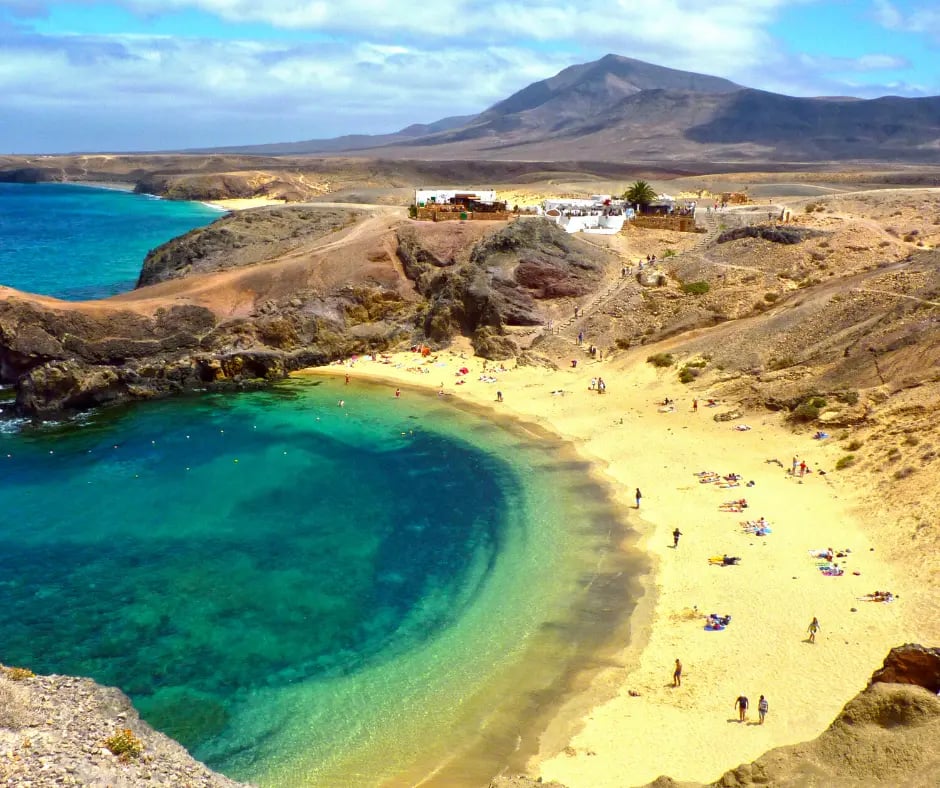 Canary Islands for nomadsEurope's warmest winter base, with EU rules and no jet lag. Which island fits you, what a winter month really costs in 2026, where to work and when to go.
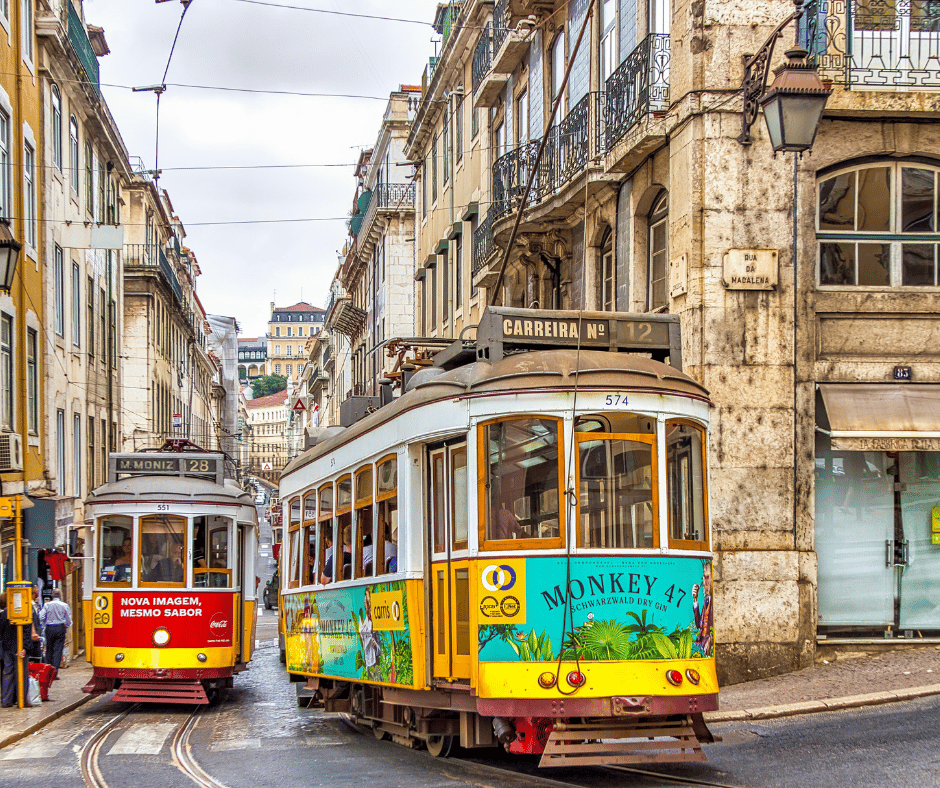 Portugal for nomadsPortugal is still one of Europe's best nomad bases, but the tax deal is gone and citizenship now takes 10 years. The D8 visa, real short-stay costs and where to base yourself in 2026.
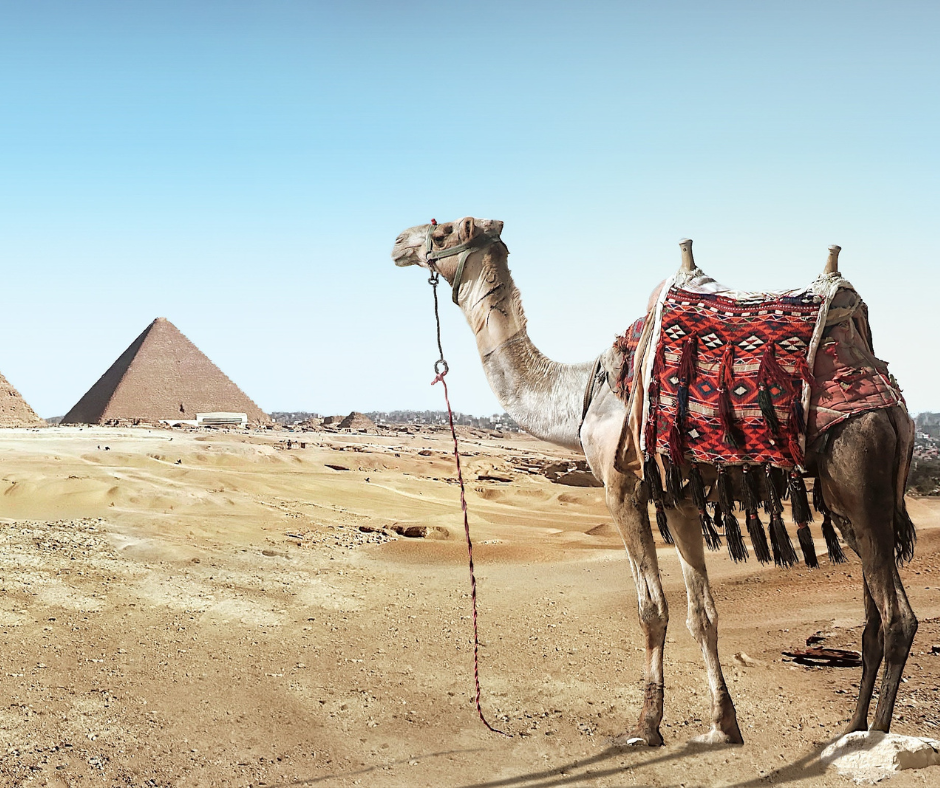 Egypt for nomadsEgypt has no digital nomad visa, but cheap living, winter sun and the Red Sea keep nomads coming. Here is how it works in Cairo, Dahab, Alexandria and El Gouna in 2026.
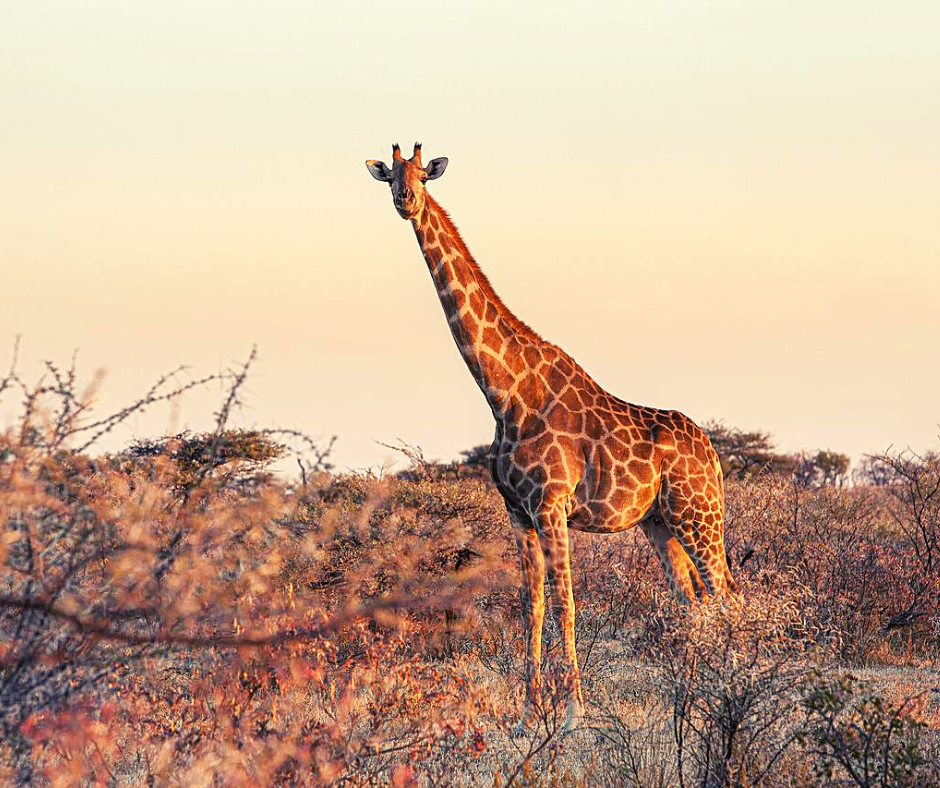 Namibia for nomadsNamibia has a real digital nomad visa, empty roads and a small but friendly remote work scene. Here is how nomads live in Swakopmund and Windhoek in 2026, with real costs, the new visa rules and verified spaces.