Balearic Islands for nomads
Updated:
 Sarah KuhlemannCommunity manager
Mallorca, Ibiza, Menorca and Formentera sit in the Mediterranean on a central European clock, two hours or less by plane from most of Europe. Palma, Mallorca's capital, is a real year-round city of more than 400,000 people with coworking, an airport that stays busy in winter, and neighborhoods that work outside the tourist season. The other islands make very different bases: Ibiza for its international scene, Menorca for calm towns and coastal paths, Formentera for a summer escape.
Two honest caveats before you book. Short stays are expensive: Palma is Spain's third most expensive provincial capital for renters, and July and August bring crowds, peak prices and full ferries. And outside Palma, much of the islands closes from November to April, while the housing shortage has made holiday rentals one of the most debated issues in the Balearics. This guide covers both sides with November 2026 figures.
🌱 Health insurance for the Balearic Islands
Genki TravelerA travel health insurance with worldwide cover. Monthly payment plans, and easy signup in less than 1 minute.Discover Genki Traveler🎯 Balearic Islands at a glance
| 🛂 Visa | Part of Spain and the EU. EU citizens need no visa, most others get 90 days in any 180 under Schengen. The Spain digital nomad visa applies here too |
| ⏳ Max stay | Unlimited for EU citizens (register after 3 months), 90/180 days for visa-free non-EU visitors |
| 💶 Monthly budget | About €2,150 to €2,800 in Palma from November to April, €2,750 to €3,800 in summer. Ibiza costs considerably more |
| 🌤 Best time | May, June, September and October. Palma works all year |
| 🏝 Top areas | Santa Catalina and Portixol (Palma), Sóller, Ibiza Town, Santa Eulària, Maó, Ciutadella |
| 🛜 Internet | Fiber in Palma and the towns, 4G and 5G on the populated coasts |
| 🛡 Safety | Low crime. The real risks are summer pickpockets, heat, wildfires and the sea |
🇪🇸 Entry requirements and visas
The Balearic Islands are part of Spain, the EU and the Schengen Area, so the rules are the same as in Madrid. EU and EEA citizens simply arrive and register their residence if they stay longer than three months. Non-EU visitors from visa-free countries get 90 days in any 180-day period across the whole Schengen Area, not per country. Since the EU's Entry/Exit System replaced passport stamps in 2026, entries and exits are recorded biometrically, so overstays are flagged automatically.
For longer stays, the Spain digital nomad visa covers the islands like the rest of Spain. In 2026 it requires €2,849 a month in income (200% of the Spanish minimum wage), costs €73.26 at the UGE, and gives three years when you apply from inside Spain. Its health insurance rules are among the strictest in Europe. The full guide covers every requirement:
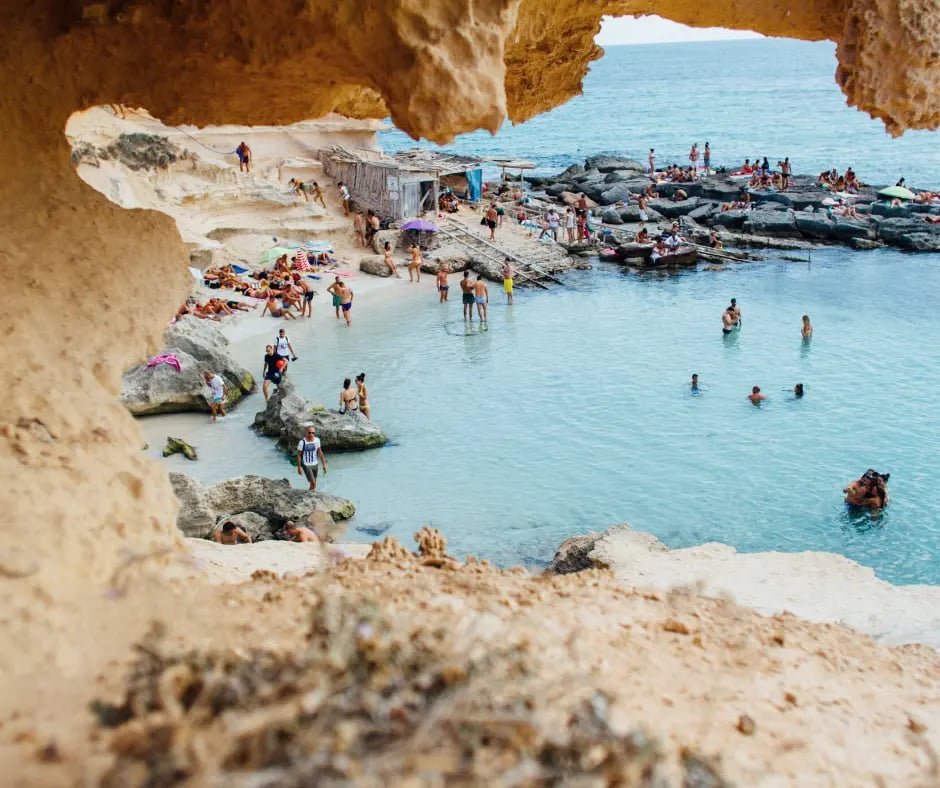 Spain digital nomad visa 2026: requirements, income and health insuranceSpain's digital nomad visa offers three years of residency and a flat 24% tax option, but its health insurance rules trip up many applicants. Here is what it requires in 2026: income, insurance and how to apply.
Tax, for orientation only: more than 183 days in Spain in a calendar year, or your main economic interests there, generally makes you a Spanish tax resident. The Balearics have no special regime of their own. This is general information, not tax advice. The tax residency guide explains how day counts work.
The tourist tax (ecotasa). The Balearic sustainable tourism tax is charged per person and per day in hotels, tourist apartments, hostels and registered holiday homes on all four islands. Under Ley 2/2016 (consolidated text, last amended May 2025), it costs €1 to €4 a day depending on the category: €4 in 4-star superior and 5-star hotels, €3 in 3-star superior and 4-star hotels, €2 in 1 to 3-star hotels and holiday homes, and €1 in hostels and pensions. It drops by 75% in low season (November 1 to April 30) and by a further 50% from the ninth day of a stay in the same place. Children under 16 are exempt. Your host collects it. Ordinary seasonal leases (alquiler de temporada) under Spanish tenancy law fall outside the tax, which matters if you rent a flat for a month.
✈️ How to get to the Balearic Islands
Most nomads fly. The three airports are Palma de Mallorca (PMI), Ibiza (IBZ) and Menorca (MAH), with direct flights from most European cities from spring to autumn. In winter the schedule thins out sharply, especially to Ibiza and Menorca, and many routes connect via Barcelona, Madrid or Palma.
By sea, Baleària and Trasmed run ferries from Barcelona, Valencia and Dénia to Palma, Ibiza and Maó, with fewer sailings in winter. It is a practical option if you travel with a car or a lot of luggage. Between the islands, ferries (Palma to Ibiza, Alcúdia to Ciutadella, Ibiza to Formentera) and short domestic flights connect everything. Formentera has no airport and is reached by ferry from Ibiza in about 30 minutes.
🗺 Where to base yourself
- Palma (Mallorca) is the only base that works all year, with real city life in winter. Santa Catalina, the former fishermen's quarter with its market, has the most social streets and the most coworking. Next door, Son Espanyolet is quieter and residential. El Terreno, on the hillside below Bellver Castle, has sea views and older houses. Portixol and Es Molinar, east of the center, are seafront former fishing villages linked to town by a cycle path. Living on the edge of the old town puts everything within walking distance, but expect summer crowds.
- Sóller (Mallorca) is a valley town in the Serra de Tramuntana, linked to Palma by a historic train and a faster bus through the tunnel. It is a quiet base for hikers who don't need coworking on their doorstep.
- Ibiza Town and Santa Eulària (Ibiza): Ibiza Town has the port, the old town of Dalt Vila and the most year-round services on the island. Santa Eulària, on the east coast, is calmer, with a promenade and a coworking scene. Be honest with yourself about the season: Ibiza is busy and expensive from May to October, and very quiet in winter, when many restaurants and beach venues close.
- Maó and Ciutadella (Menorca): Menorca is an island-wide UNESCO Biosphere Reserve and the calmest of the main islands. Maó, the capital, sits above one of the Mediterranean's largest natural harbors. Ciutadella, on the west coast, has the prettier old town. Both have coworking, and both are local towns with fewer flights outside summer.
- Formentera is a summer-only option. Most of the island closes from November to April.
What stays open in winter: Palma runs as a normal city. Sóller, Ibiza Town, Santa Eulària, Maó and Ciutadella keep shops, supermarkets and some restaurants open, but nightlife, beach clubs and many hotels close, and bus and ferry timetables shrink.
💶 How much does it cost?
| Per month | Palma | Sóller | Ibiza Town and Santa Eulària | Maó and Ciutadella |
|---|---|---|---|---|
| Furnished 1-bed, Nov-Apr | €1,300-1,800* | €1,100-1,600* | €1,700-2,500* | €1,000-1,500* |
| Furnished 1-bed, Jun-Sep | €1,900-2,800* | €1,800-2,600* | €3,000-4,500* | €1,800-2,800* |
| Coworking | €99-250 | Palma or home | €125-450 | €150-240 |
| Food and transport | ~€750* | ~€700* | ~€850* | ~€750* (plus car) |
| Realistic total, Nov-Apr | €2,150-2,800* | €1,900-2,500* | €2,700-3,800* | €1,900-2,500* |
| Realistic total, Jun-Sep | €2,750-3,800* | €2,600-3,500* | €4,000-5,800* | €2,700-3,800* |
Put plainly: for most short stays, the Balearics sit well above a €1,500 monthly budget. If that is your ceiling, the Europe under €1,500 a month guide covers cheaper bases checked city by city.
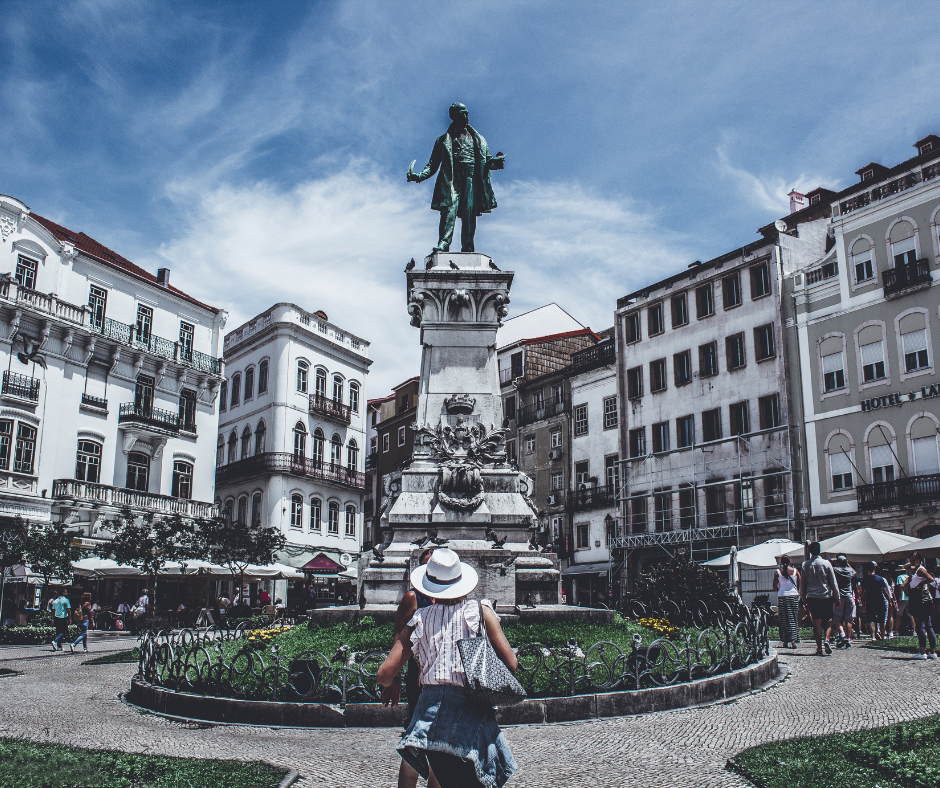 Europe under €1,500 a month: 10 cities checkedEurope on a budget still exists, just not where it used to. We checked 16 cities against €1,500 a month with 2026 data: here are the 10 that work, from Bansko to Palermo, with the conditions spelled out.
Holiday rental rules, factually. The islands have tightened tourist rentals in homes step by step. The Balearic government's Decreto-ley 4/2025 bans new tourist places in apartments in multi-family buildings across all the islands and raises fines for illegal listings. Palma went further: its General Plan change, approved definitively on May 28, 2026 (BOIB, June 27, 2026), declares the whole municipality unsuitable for new holiday rentals in homes. For you, this means month-long furnished stays are usually signed as seasonal leases under Spain's national tenancy law rather than as holiday lets, and that a cheap holiday flat in a Palma apartment block is likely to be illegal. Book through registered listings and expect hosts to ask for ID. Many residents struggle with rents, so it helps to be aware of the debate.
🧑🏻💻 Where to work from
Mallorca
- Cómodo&Co: Two coworking spaces in Palma, one in Santa Catalina and one in the Nord district (Arxiduc) with the BATX café at the front. A flex desk costs €99 a month in Santa Catalina and €125 at Arxiduc, a day pass €15, and dedicated desks start at €155 a month (November 2026).
- Palmapolitan: Coworking in a traditional townhouse near Plaça d'Espanya and the train and bus station, with two meeting rooms. Its price list shows €180 a month for a hot desk, €250 for a fixed desk, €110 a week and €25 a day.
- SOMOS Coliving: Coliving in Palma's Nord district, about 15 minutes' walk from the center, with private rooms, a coworking area and community events. Stays start at one month, and prices are quoted on request.
Ibiza
- theHUB. Ibiza: A large coworking with a garden courtyard, café, exercise classes and events, on the edge of Ibiza Town (a car or bike helps). A day pass costs €50, a month €450 and a season pass €1,500 (November 2026).
- Coworking Santa Eulalia: Central coworking in Santa Eulària with call booths, meeting rooms and a kitchen, a few minutes from the beach. Ask for current rates.
- Origen Ibiza: Coworking in Ibiza Town with day passes, meeting rooms and showers. A flexible pass of 10 days a month costs €125 plus VAT (November 2026).
- Outsite runs a coliving house in Es Canar, a small coastal village near Santa Eulària.
Menorca
- WanderHub: Coworking in Ciutadella with phone pods, meeting rooms and 24/7 access. A day pass costs €30, a flex membership €150 a month and a fixed desk €240 (November 2026).
- Isla House: Coworking in central Maó with 24/7 access for members and a kitchen. Ask for current rates.
👥 Finding community
Palma has the largest nomad and remote-worker community on the islands, with regular events run through coworking spaces and coliving houses, and the scene runs all year. On Ibiza the community is tied to the season and centered on Santa Eulària and the coworking spaces around Ibiza Town. Menorca's is small and mostly made up of residents who work remotely. The easiest way in anywhere is a coworking membership or a month in a coliving.
🛜 Internet and SIM cards
Internet is not a worry in the main bases. Fiber is standard in Palma and the larger towns, coworking spaces run on fiber, and 4G and 5G cover the populated coasts. Coverage gets patchy in the Serra de Tramuntana and remote coves, so download maps before you hike.
For SIM cards, Movistar, Vodafone, Orange and Digi all sell prepaid plans, and you need your passport to register a Spanish SIM. As an EU country, Spain also falls under EU roaming rules, so an EU SIM works at home prices. The simplest option for most nomads is a global eSIM from Pangia, which covers Spain and whatever country comes next.
🌤 When to go where
| Area | 🌞 Best time | 🌧 Weakest | Why |
|---|---|---|---|
| Palma | Mar-Jun, Sep-Nov | Jul-Aug | Mild winters with daytime highs around 15°C. July and August bring heat around 30°C, crowds and peak prices |
| Sóller and the Tramuntana | Mar-May, Oct-Nov | Jul-Aug | The hiking season. Summer is too hot for long trails, and winter brings the most rain |
| Ibiza | May-Jun, Sep-Oct | Dec-Feb | Shoulder months have the island open and warm without peak crowds. Winter is quiet and much is closed |
| Menorca | May-Jun, Sep | Nov-Mar | Beautiful early summer and September. Winter brings the tramuntana wind and limited flights |
| Formentera | Jun, Sep | Nov-Apr | Summer-only island |
Temperatures are rounded from AEMET climate normals (checked November 2026). AEMET, Spain's weather agency, issues heat, wind and storm warnings on aemet.es.
🚌 Getting around
- Mallorca: EMT Palma runs the city buses, including the airport line, and TIB buses and the SFM trains connect Palma with the rest of the island. The historic Ferrocarril de Sóller runs between Palma and Sóller, with a tram on to Port de Sóller. It is scenic but priced for visitors, so the TIB bus through the tunnel is the everyday option.
- Ibiza and Menorca both have island bus networks, with much reduced timetables in winter.
- Car rental is close to essential outside Palma, especially on Menorca and for the Tramuntana. Parking in central Palma and at popular beaches in summer is hard, and some coves restrict access.
- Between islands: ferries and short flights. Book ahead in July and August.
- Cycling: Mallorca is one of Europe's big road-cycling destinations from autumn to spring, and Palma has a seafront bike path and public bikes.
🚧 Safety
The Balearics are a safe destination, and violent crime against visitors is rare. Watch for pickpockets in summer in Palma's old town, on busy beaches and in Ibiza's nightlife areas, and never leave valuables in a rental car. The real risks are natural:
- The sea: swim at guarded beaches, respect the flags, and don't jump from cliffs at coves.
- Heat: July and August regularly bring heat warnings. Plan outdoor activity for mornings and evenings.
- Wildfires: summer brings fire risk to pine forests, and trails can close at short notice.
- Hiking: the Serra de Tramuntana is steep and exposed, water is scarce on the trails, and summer heat is dangerous. Start early, carry water and check the weather.
Check your own government's travel advice for Spain before you travel (checked November 2026). The emergency number is 112.
🏥 Healthcare
EU citizens with a European Health Insurance Card (EHIC) can use the public system, IB-Salut, for necessary care during a temporary stay, and residents registered with Spanish social security use it as their main system. The main public hospitals are Son Espases in Palma, the islands' reference hospital, Can Misses on Ibiza, Mateu Orfila in Maó and the island hospital on Formentera. Palma also has several private hospitals, often with English-speaking staff, which expect payment or proof of insurance. On the smaller islands, serious or specialist cases are often transferred to Palma or the mainland, which is worth knowing if you have a condition that needs regular care.
🎖 Must see
- Serra de Tramuntana (Mallorca): UNESCO-listed mountains along the northwest coast. The Mirador de ses Barques above Sóller is a classic start for hikes, and the GR 221 dry-stone route crosses the whole range.
- Palma Cathedral (La Seu): the Gothic cathedral on the old sea wall, Palma's landmark.
- Caló des Moro (Mallorca): a small cove in Santanyí, reached only on foot. Parking near it is restricted and it gets very crowded in summer, so go early outside peak season.
- Dalt Vila (Ibiza): the walled old town of Ibiza, part of a UNESCO World Heritage site.
- Camí de Cavalls (Menorca): the historic coastal path around the whole island. The stretch past Cala Macarella and Cala Turqueta is one of its best-known sections.
- Ses Illetes (Formentera): the island's best-known beach, in the Ses Salines natural park.
❓ Frequently asked questions
Mallorca, and specifically Palma, for most people. It is the only base that works all year, with the most coworking, flights and community. Ibiza suits nomads who want the scene and can afford summer prices. Menorca is best for a calm stay in Maó or Ciutadella with a car.
Palma, yes. It runs as a normal city from November to April, with mild weather around 15°C during the day, open coworking and lower rents than in summer. Outside Palma, many hotels, restaurants and beach venues close, so a winter in a smaller town is quiet.
About €2,150 to €2,800 from November to April and €2,750 to €3,800 in summer for a solo nomad. That covers a furnished one-bed, a coworking membership from €99 to €250, and around €750 for food and transport (November 2026 estimates).
Yes. The Balearics are part of Spain, so the visa and residence permit work there exactly as on the mainland, with the same €2,849 monthly income requirement in 2026 and the same health insurance rules.
EU and EEA citizens do not. Visa-free non-EU visitors can stay 90 days in any 180-day period across the Schengen Area, and everyone else needs a Schengen visa.
Yes in Palma and the main towns. Fiber is standard and coworking spaces run on fiber. Coverage gets patchy only in the mountains and remote coves.
Traveling that area? Check out the Balearics' neighborhood.
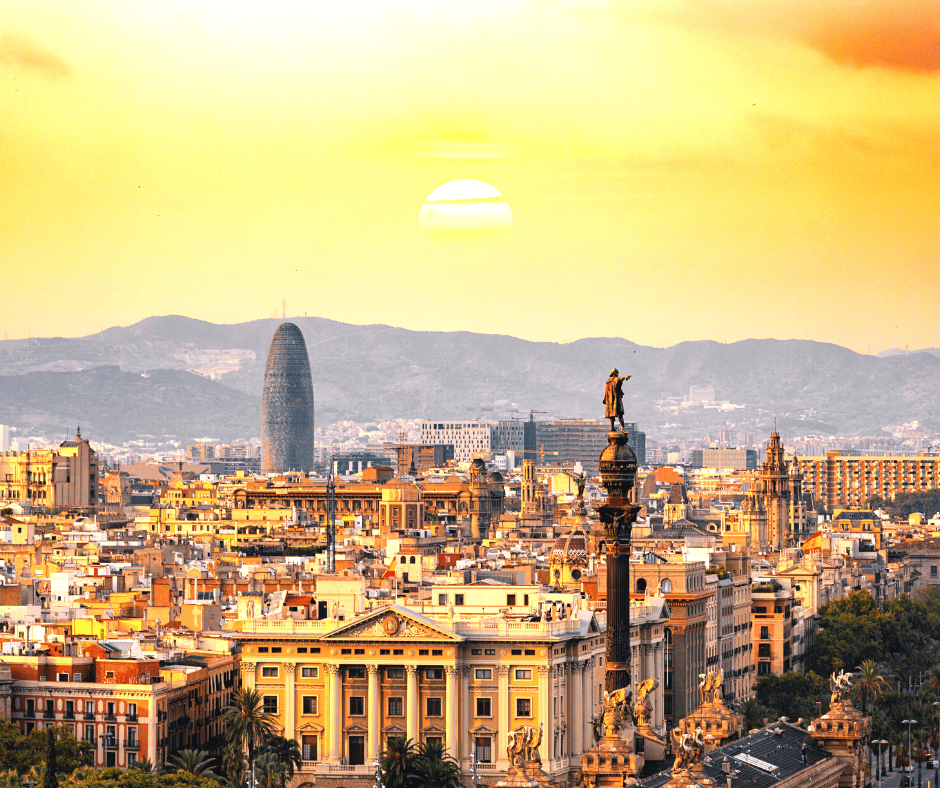 Spain for nomadsSpain is five nomad countries in one. Barcelona, Madrid, Valencia, Málaga, Seville and San Sebastián compared, with realistic 2026 short-stay costs, how the digital nomad visa works, and where the communities really are.
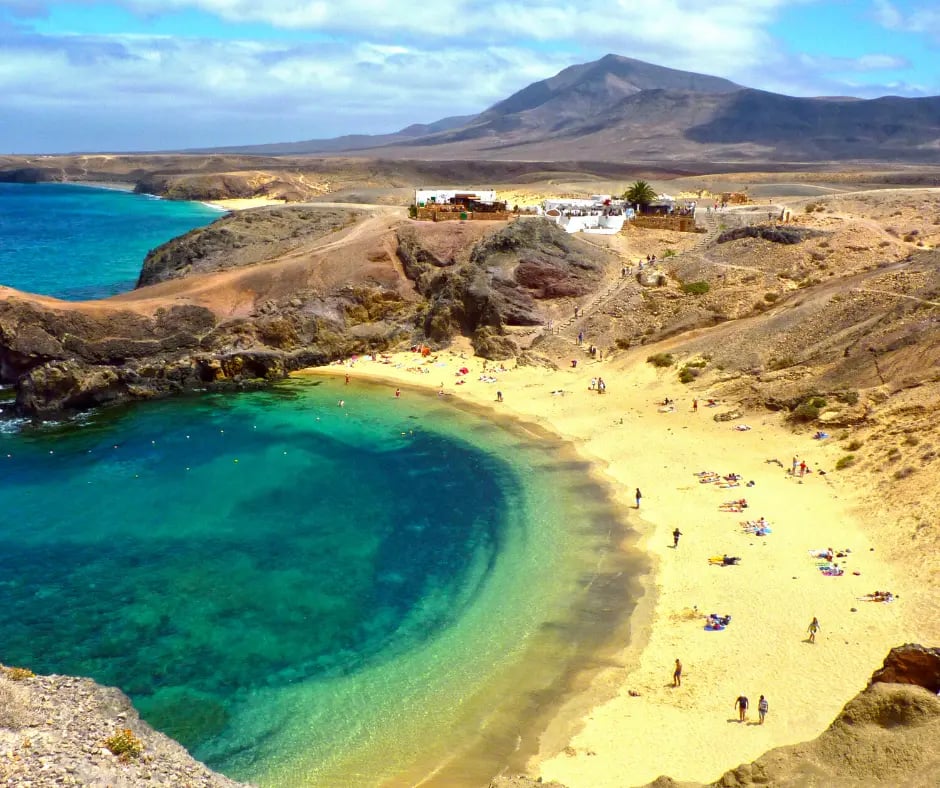 Canary Islands for nomadsEurope's warmest winter base, with EU rules and no jet lag. Which island fits you, what a winter month really costs in 2026, where to work and when to go.
 Spain & Portugal by trainThere is no direct train between Madrid and Lisbon, so crossing the Iberian border overland means a bus, a river ferry and a time zone change. I did the whole trip from Barcelona to Porto myself. Here is every leg, what it costs in 2026, and where to work along the way.Europe under €1,500 a month: 10 cities checkedEurope on a budget still exists, just not where it used to. We checked 16 cities against €1,500 a month with 2026 data: here are the 10 that work, from Bansko to Palermo, with the conditions spelled out.