Romania for nomads
Updated:
 Sarah KuhlemannCommunity manager
What do the inventor of the coffee machine, Francesco Illy, and Dracula have in common? Exactly! Both are from Romania! This stunning country is not just packed with history and UNESCO World Heritage sites (7 in total).
Romania is the best-value nomad base in the European Union that almost nobody talks about, and that is starting to feel like an oversight. It has some of the fastest internet on the planet, a flat 10% income tax, a cost of living a fraction of Western Europe's, full EU and (since 2025) Schengen membership, and a genuinely good digital nomad visa for non-EU remote workers.
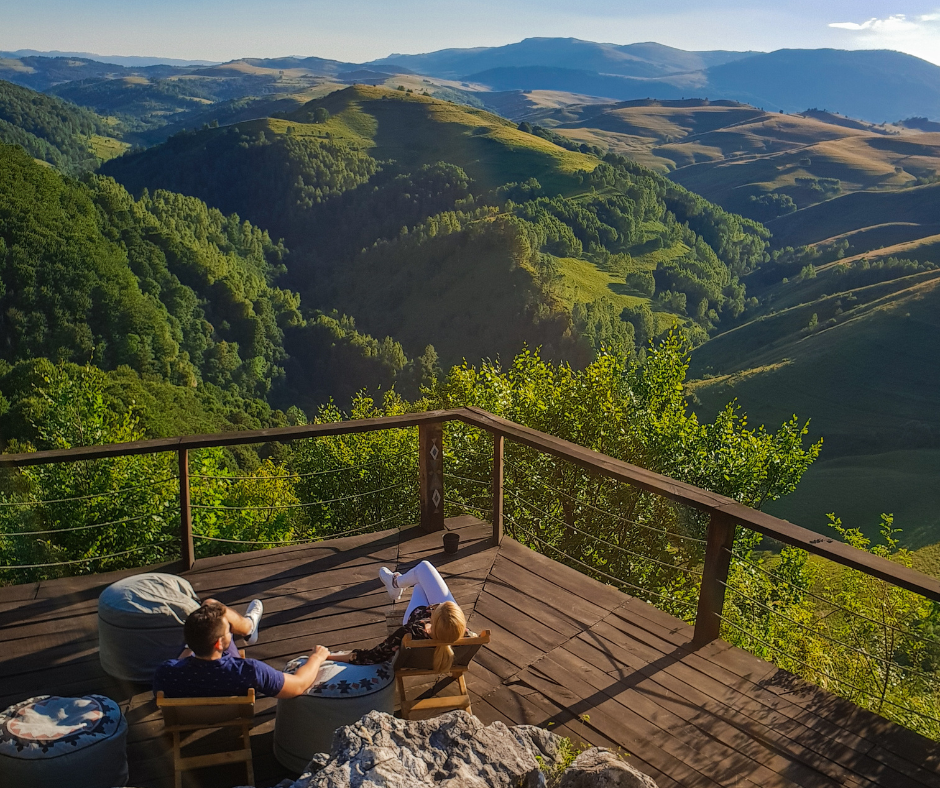
It also has more going for it than the spreadsheet suggests. Bucharest is a big, energetic, surprisingly green capital with a wild architectural mix. Cluj-Napoca is the tech-and-student hub with the liveliest scene. Brasov puts you in a medieval Transylvanian town with the Carpathians on the doorstep. And the country as a whole, castles, painted monasteries, mountains and the Black Sea coast, is far more beautiful and varied than its reputation lets on.
This guide covers the visa, the cities, what it really costs, and how to base yourself, for 2026. A dedicated deep-dive on the digital nomad visa follows in our Romania digital nomad visa guide.
🌱 Health insurance for Romania
Genki TravelerA travel health insurance with worldwide cover. Monthly payment plans, and easy signup in less than 1 minute.Discover Genki Traveler📌 Romania at a glance
| 🛂 Visa | EU: free movement. Others: 90 days visa-free (ETIAS from 2026) |
| 💻 Nomad visa | Yes: ~€5,600–5,800/month income, 12-month renewable permit, non-EU only |
| 🧾 Tax | Flat 10% income tax, among the lowest in the EU |
| 💶 Monthly budget | €950 in Timișoara or Brașov to €1,900 in Bucharest |
| 🌤 Best time | May–June and September–October. Summer for the mountains and coast |
| 🏙 Top areas | Bucharest, Cluj-Napoca, Brașov, Timișoara |
| 🛜 Internet | Among the fastest in the world: cheap gigabit fiber near-universal |
| 🗣 Language | Romanian. English widely spoken by younger people and in tech |
| 💱 Currency | Romanian leu (RON). €1 ≈ 4.98 RON |
🇷🇴 Entry requirements for Romania
- EU/EEA/Swiss citizens: full free movement. Live and work with no restrictions; register locally if you stay long-term.
- Visa-free entry (non-EU): citizens of around 60 countries (US, UK, Canada, Australia, New Zealand and more) can stay up to 90 days in any 180-day period.
- ETIAS: from 2026, visa-exempt non-EU visitors need an ETIAS authorization before travel, a quick online registration, now that Romania is in Schengen.
- Digital nomad visa: for a longer stay working remotely, Romania has a dedicated one. See the next section.
- Health insurance: travel cover for your stay; the nomad visa requires a policy with at least €30,000 coverage.
- Passport validity: at least six months.
💻 Romania's digital nomad visa
Romania launched its digital nomad visa in 2022, and it is one of the more practical options in Europe, especially paired with the country's flat 10% tax and low costs. This is a summary; our dedicated Romania digital nomad visa guide covers the full process, documents, and tax details.
- Who it is for: non-EU/EEA citizens working remotely for employers or clients outside Romania, employees, freelancers and owners of foreign-registered businesses.
- Income requirement: at least three times the average gross monthly salary, which is the part almost every guide online gets wrong. It is a formula, not a fixed number, and Romania's statistics office updates the underlying salary every month, so the figure keeps rising. In early 2026 it works out to roughly €5,600 to €5,800 a month (around 29,600 RON), well above the €3,700 that older pages still quote. You show six months of proof, and because the number moves, confirm the current figure with the consulate before you apply. This high bar is the genuine catch of an otherwise excellent visa.
- The renewal break most guides miss: when you renew the residence permit, the income requirement drops to just one times the average salary (around €1,900 to €2,000), a far lower bar for staying on.
- Duration: the visa gives 90 days to enter, then you convert to a 12-month residence permit, renewable for further 12-month periods.
- Processing: fast by European standards, often 10 to 14 working days for the permit stage.
- Insurance: a policy with at least €30,000 coverage valid in Romania.
- The tax hook: Romania's flat 10% personal income tax is among the lowest in the EU, and combined with the low cost of living it is the real reason to consider basing here rather than just visiting. Tax residency and social-contribution rules depend on your setup, so take local advice. Our digital nomad tax guide explains how residency and tax fit together.
- One limitation: the digital nomad visa does not include family reunification, so partners and children need their own basis to stay long-term.
Do you even need it? For a stay under 90 days, visa-exempt nationals need no visa at all (just ETIAS from 2026). The digital nomad visa is for a legal year-plus base, and it is worth it above all for the 10% tax if you become a resident.
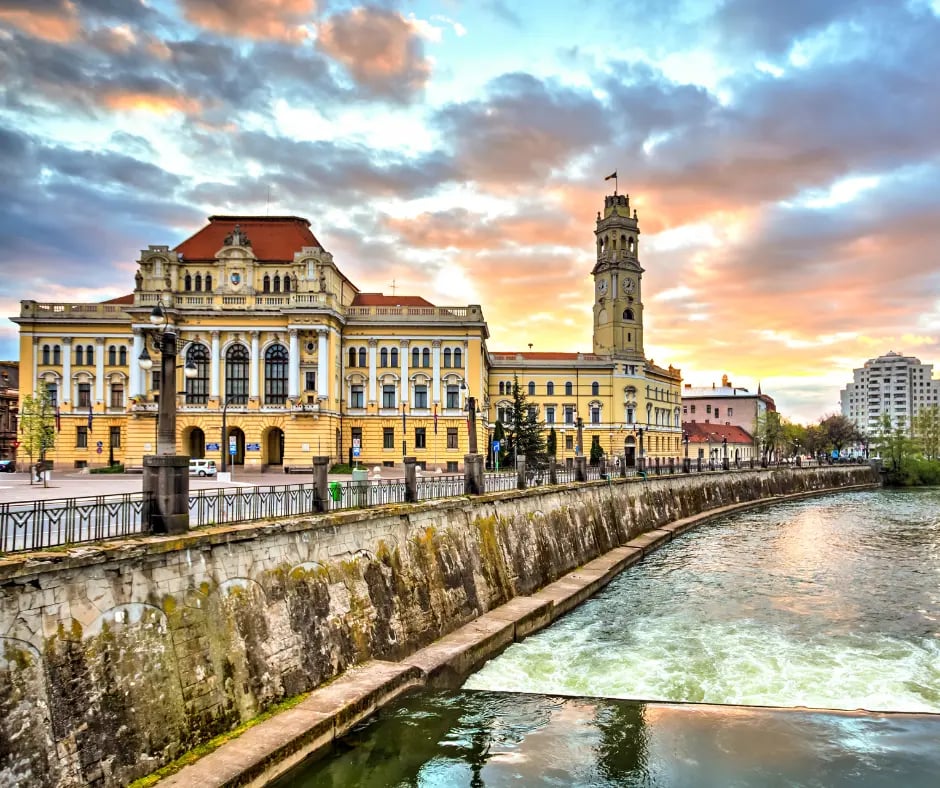 Romania digital nomad visa: requirements and how to applyRomania's digital nomad visa pairs a flat 10% tax and gigabit internet with an income bar that half the internet gets wrong. Here is the real 2026 figure, why the numbers disagree, and how to apply.
 Countries with nomad visasWhich countries offer digital nomad visas, what do they cost, and which one fits your income and plans? Here are the programs worth knowing, with requirements, fees, and insurance rules verified against official sources.
 The easiest digital nomad visas and long-stay routes (2026)The easiest digital nomad visas aren't always called visas. Eight low-effort routes ranked by income bar, fees and paperwork, from Georgia's visa-free year to Ecuador's $320 visa, checked November 2026.
✈️ How to get to Romania
- Bucharest (OTP), Henri Coandă/Otopeni, 20km north of the city, is the main hub, with low-cost carriers (Wizz Air, Ryanair) connecting 60-plus European cities. The airport train to the center takes 25 minutes for about €1.30; a taxi around €7.
- Cluj-Napoca (CLJ) and Timișoara (TSR) have good budget connections across Europe and are the better arrivals for Transylvania and the west.
- Overland: Romania is on the Eurail network with train links from Austria, Hungary, Germany and beyond, and easy road borders with Hungary, Bulgaria and Serbia.
🗺 Where to base yourself
Bucharest is the capital and the biggest base: energetic, green, cheap for a capital, with the widest coworking choice and the most international scene. Old Town (Lipscani) is the lively historic core, all bars, cafes and cobblestones, with apartments around €650. Cișmigiu is the creative, artsy quarter beside the city's loveliest park, a little pricier at €700 to €900. Floreasca, up north by the lake, is the upscale, calmer, well-off district (€900 to €1,000). Bucharest divides opinion on arrival and grows on almost everyone.
Cluj-Napoca is Romania's tech and student capital, and for many nomads the most appealing base: a compact, walkable Transylvanian city with the country's liveliest startup scene, the best nightlife-per-capita, a big student population, and a genuine international community. Pricier than the rest of Romania (its tech salaries have pushed rents up) but still cheap by EU standards, and the scene makes up for it.
Brasov is the Transylvanian wildcard: a beautifully preserved medieval Saxon town wrapped around a central square, with the Carpathian mountains and ski slopes on the doorstep and Bran ("Dracula's") Castle nearby. Smaller and quieter than Bucharest or Cluj, but stunning, walkable and a favorite for nomads who want mountains and old-town charm over big-city buzz.
Timișoara in the west is the elegant, Habsburg-influenced "little Vienna," a 2023 European Capital of Culture with grand squares, a relaxed pace and a solid coworking scene. Cetate, the historic center, and the leafy Fabric and Circumvalațiunii districts are the bases, with apartments from around €500.
Sibiu is the other Transylvanian gem worth knowing: a gorgeous Saxon old town, smaller and quieter still, good for a slower stint, with the "eyes of Sibiu" rooftops and the Fagaras mountains nearby.
💶 How much does it cost?
| Per month | Timișoara / Brașov | Bucharest | Cluj-Napoca |
|---|---|---|---|
| Room or 1BR | €450–700 | €600–1,000 | €600–950 |
| Coworking | €140–200 | €150–320 | €150–250 |
| Food | €250–380 | €300–450 | €300–430 |
| Transport | €20–40 | €20–40 | €25–45 |
| Realistic total | €950–1,500 | €1,200–1,900 | €1,200–1,800 |
Romania is one of the best-value countries in the EU: Western-European quality and infrastructure at a fraction of the price. A comfortable Bucharest month runs €1,200 to €1,900, and the smaller cities less. A restaurant meal is €8 to €15, a coffee €2 to €3, and public transport is almost free by EU standards (a Bucharest metro day pass is about €2, a single bus ride €0.30). Cluj is the priciest for rent thanks to its tech boom; Timișoara and Brasov the best value of the main bases.
 Europe under €1,500 a month: 10 cities checkedEurope on a budget still exists, just not where it used to. We checked 16 cities against €1,500 a month with 2026 data: here are the 10 that work, from Bansko to Palermo, with the conditions spelled out.
🧑🏻💻 Where to work from
Bucharest
- Nod Makerspace in Unirii: 24 focused studios over 1,250 sqm, split into quiet, casual and active zones, walkable from the metro. Around €150/month.
- Commons Unirii: three floors in a historic building on one of the city's main squares, 24/7 access, fast internet. Around €265/month.
- V7 Startup Studio in Piața Romană: entrepreneur-focused, 24/7, with a community, around €220/month.
- Mindspace: two premium locations (Pipera and Victoriei), from €300/month.
Cafes: Saint Roastery (a local micro-roastery, bright and modern), Beans&Dots by Cișmigiu (partner of Berlin's The Barn, stable wifi), and The Atelier in Old Town (work spots on the upper floor).
Cluj-Napoca
Cluj has the most dynamic coworking scene outside Bucharest, tied to its tech sector, spaces like Cluj Cowork and the various startup hubs around the center and the Mărăști tech district. Ask in the local nomad and tech groups for the current favorite, and use the dense student-city cafe scene between sessions.
Timișoara
- The Garden: a day pass (€12) includes coffee, tea, water and a shared meeting room; a fixed desk with 24/7 access is €150/month.
- DevPlant: 1,000 sqm in a historic downtown building, with a shower for gym-goers, around €140/month.
Brasov
Brasov's scene is smaller but real, with a handful of coworking spaces around the old town and plenty of laptop-friendly cafes. Choose accommodation with good fiber (easy in Romania) and you will be fine.
👥 Finding the community
Romania's nomad and expat community is smaller than Portugal's or Spain's but real and growing, and it clusters clearly. Cluj-Napoca has the liveliest scene by feel, driven by its tech industry, big student population and international startup community, and it is the easiest place to plug in. Bucharest has the largest overall community and the most events, meetups and coworking. Brasov and Timișoara have smaller, friendlier scenes.
The coworking spaces are the way in, especially the community-focused and startup ones. Beyond that, Romania runs on Facebook groups (Expats in Bucharest, Cluj and so on) and Meetup, and the tech-event calendar in Cluj and Bucharest is genuinely active. English is widely spoken by younger Romanians, so the language barrier is low. For the general how-to, see our guide to making friends as a nomad.
 Coliving in Europe: the best spaces for digital nomadsEurope's best coliving spaces by region and season, from an Alpine citadel to small surf towns, with prices checked November 2026 and the Schengen 90/180 maths.
 Digital nomad events in Europe 2026/27Europe runs the biggest nomad festival on earth (Bansko) and a dense spring-to-autumn calendar of summits, island retreats and community weeks around it. The season is long, roughly April to December, and spread from the Bulgarian mountains to the Canary Islands, so the planning question is less "is there an event" and more "which three can I string together without crossing the continent twice."
 8 rural coliving spaces in Europe for remote workersEight rural coliving spaces in Europe's villages, farms and mountains, from a Tuscan forest hamlet to a Lofoten fishing village, with dated prices, minimum stays and real internet speeds.
🛜 Internet and SIM cards
Here is one of Romania's standout advantages: it has some of the fastest internet in the world. Romania consistently ranks near the top globally for fixed broadband, gigabit fiber is cheap and near-universal in the cities, and even small towns are well connected. For a remote worker, this alone is a strong argument, and coworking spaces and apartments are reliably fast.
Orange, Vodafone, Digi and Telekom are the operators; Digi (RCS-RDS) is famous for cheap, fast data and home fiber. A prepaid SIM with generous data costs just a few euros, and as an EU market, EU roaming applies if you already have an EU SIM. eSIMs are widely supported.
🌤 When to come
| J | F | M | A | M | J | J | A | S | O | N | D | |
|---|---|---|---|---|---|---|---|---|---|---|---|---|
| Bucharest & lowlands | ❄️ | ❄️ | ⛅ | ☀️ | ☀️ | ☀️ | 🥵 | 🥵 | ☀️ | ☀️ | 🌧 | ❄️ |
| Transylvania (Cluj, Brașov) | ❄️ | ❄️ | ❄️ | ⛅ | ☀️ | ☀️ | ☀️ | ☀️ | ☀️ | ⛅ | 🌧 | ❄️ |
| Black Sea coast | ❄️ | ❄️ | ⛅ | ⛅ | ☀️ | ☀️ | ☀️ | ☀️ | ☀️ | ⛅ | 🌧 | ❄️ |
☀️ best · ⛅ mixed · 🌧 wet · 🥵 hot · ❄️ cold
Romania has four distinct seasons. Late spring and early autumn (May to June, September to October) are the sweet spots: warm, pleasant and uncrowded, ideal in every region. Summer (July to August) is hot in Bucharest and the lowlands (into the mid-30s) but lovely in the Transylvanian mountains and on the Black Sea coast, which comes alive. Winter (December to February) is cold and snowy, genuinely so in the Carpathians (good for skiing near Brasov), and it is the low season, cheap and atmospheric but with short, dark days. Come in the shoulder seasons for a first visit.
 Upcoming nomad retreats and pop-ups in 2026-2027From month-long colivings in Costa Rica to a 90-day pop-up in Ecuador: find nomad retreats and workations where you arrive solo and leave with a tribe.
🚌 Getting around
- City transport: Bucharest has a clean, cheap metro (day pass about €2, monthly €15) plus buses and trams; a single bus ride is about €0.30. The other cities run on buses and trams.
- Uber and Bolt: both operate in Bucharest, Cluj, Timișoara and other cities, and are cheap and the easy default. Bolt is especially widespread.
- Trains: Romania's rail network is extensive, scenic (especially through Transylvania) and cheap, if slow. Great for the journey; book via CFR.
- Buses and maxi-taxis: minibuses (maxi-taxis) fill the gaps between towns, cheap once you learn the system; check schedules on Autogari.
- Domestic flights: the country is large, so for Bucharest to Timișoara or Cluj, a cheap Wizz Air or Tarom flight beats a long train.
- Car rental: worth it for Transylvania's castles, painted monasteries and mountain roads (the Transfăgărășan is one of Europe's great drives, open summer only). Drive on the right.
 Prague to Sofia by train and busPrague, Budapest, Timișoara, Belgrade and Sofia: an overland route through Central and Eastern Europe. Here is which legs still run by train, where you need a bus, and what each city costs.
🚧 Safety and health
- General safety: Romania is a safe country with low violent crime, and Bucharest and the other cities are safe to walk day and night. The realistic risks are petty theft and the occasional taxi overcharge, so use Uber/Bolt and keep normal city awareness in crowds.
- Taxi scams: the one persistent annoyance, some Bucharest street taxis overcharge tourists. Use the apps, or the official airport taxi machines, and you avoid it entirely.
- Stray dogs: less of an issue than Romania's old reputation suggests, but packs still exist in some areas and outskirts. Give them space.
- Tap water: generally safe to drink in the cities, though many locals and expats prefer filtered or bottled, especially outside Bucharest.
- Healthcare: private clinics in Bucharest and Cluj are good and inexpensive; the public system is weaker. Carry insurance. EU citizens use the EHIC/GHIC card.
- Emergency number: 112 (EU-wide).
Staying active
- Hiking: the Carpathians are superb and accessible, especially around Brasov (Piatra Craiului, the Bucegi mountains) and the Fagaras range near Sibiu.
- Skiing: Poiana Brasov is the main resort, with more in the Carpathians, December to March.
- Cycling and running: Bucharest's parks (Herăstrău, Cișmigiu) and the flat lowlands; mountain biking in Transylvania.
- The Black Sea: summer swimming and a lively beach scene around Constanța and Vama Veche.
🎖 Must see
- Transylvania: Brasov, Sibiu and Sighișoara's medieval Saxon towns, plus Bran Castle and the painted churches.
- The Transfăgărășan and Transalpina: two of the most spectacular mountain roads in Europe, open in summer.
- Bucharest: the colossal Palace of the Parliament (the heaviest building on earth), the Old Town, and the Village Museum.
- The Painted Monasteries of Bucovina: UNESCO-listed frescoed churches in the northeast.
- The Danube Delta: Europe's largest and best-preserved wetland, a birdwatching paradise on the Black Sea.
- Cluj-Napoca: the lively cultural and student capital of Transylvania, and a great base for exploring the region.
❓ Frequently asked questions
Yes, since 2022, and a good one. It needs about €5,600 to €5,800 a month (three times the average salary, which rises monthly), gives a renewable 12-month residence permit, is processed in 10 to 14 days, and pairs with Romania's flat 10% income tax. The income bar drops to about €1,900 on renewal. EU citizens do not need it; for stays under 90 days, no visa is required (just ETIAS from 2026). Full detail in our dedicated Romania digital nomad visa guide.
Cluj-Napoca for the liveliest tech-and-student scene, Bucharest for the biggest community and most coworking, Brasov for mountains and medieval charm, Timișoara for elegant good value. Most nomads start in Bucharest or Cluj.
Around €1,200 to €1,900 a month in Bucharest or Cluj, and €950 to €1,500 in Timișoara or Brasov. It is one of the best-value countries in the EU.
Yes, exceptionally. Romania has some of the fastest internet in the world, with cheap gigabit fiber near-universal in the cities. It is one of the country's biggest draws for remote workers.
Romania has a flat 10% personal income tax, among the lowest in the EU, which is a major draw if you become a tax resident. Social contributions and the rules for nomad-visa holders vary by setup, so take local advice.
May to June and September to October for warm, uncrowded weather everywhere. Summer for the mountains and coast, winter for skiing in the Carpathians.
🎯 Conclusion
Romania is the EU's most underrated nomad base, and once you add it up, the value is hard to argue with: gigabit internet, a flat 10% tax, Schengen access, a real digital nomad visa, and Western-European quality of life at a fraction of the cost, wrapped around a country of castles, mountains and medieval towns that far exceeds its reputation.
Base yourself in Cluj for the scene, Bucharest for the city, Brasov for the mountains, or Timișoara for value. Sort the digital nomad visa if you want a legal base and the 10% tax, come in spring or autumn, and enjoy one of Europe's genuine hidden gems. Our Romania digital nomad visa guide has the full visa detail.
Where to travel next? Countries close to Romania.
 Lithuania for nomadsA tech-forward Baltic capital with gigabit internet, low costs for the EU, a beautiful UNESCO old town and almost no crowds. Lithuania is one of Europe's quiet nomad bargains, if you are an EU citizen. Here is the honest 2026 guide.
 Italy for nomadsA digital nomad visa with a lower income bar than Spain or Portugal, the best food and art in Europe, and everything from Alpine lakes to Sicilian beaches within a few hours' train ride. Here is how to live and work in Italy in 2026.
 Ljubljana and Slovenia for digital nomadsSlovenia has had a digital nomad permit since November 2025, and almost every nomad bases in Ljubljana. Permit rules, real costs, neighborhoods and coworking for 2026.
 Cyprus for nomadsCyprus is in the EU but not yet in Schengen, with a capped nomad visa and four very different bases. Larnaca, Paphos, Limassol and Nicosia compared, with realistic 2026 short-stay costs and the honest catches.