Ljubljana and Slovenia for digital nomads
Updated:
 Sarah KuhlemannCommunity manager
Slovenia has a dedicated digital nomad permit since November 2025, and almost every nomad who comes here bases in Ljubljana. The capital is small, walkable and calm, with a car-free old town along the river, a handful of real coworking spaces and Lake Bled about an hour away. Slovenia ranks fourth in the world on the 2026 Global Peace Index, and the Alps and the Adriatic coast are both within a two-hour drive.
It is not a budget base, and the nomad scene is small. This guide covers the permit, Ljubljana's neighborhoods and workspaces, what a short stay really costs in late 2026, and how Maribor, the coast and the Julian Alps fit in.
🌱 Health insurance for Slovenia
Genki TravelerA travel health insurance with worldwide cover. Monthly payment plans, and easy signup in less than 1 minute.Discover Genki Traveler🎯 Slovenia at a glance
| 🛂 Visa | EU citizens: free movement. Non-EU: 90 days in any 180 under Schengen rules |
| 💻 Nomad permit | Since November 2025: up to 1 year, not extendable, about €3,390 a month required, family can join immediately |
| 💶 Monthly budget | About €1,400 to €2,500 in Ljubljana for a short stay, less in Maribor |
| 🌤 Best time | May to June and September to early October. December to March for skiing |
| 🏙 Top bases | Ljubljana (Center, Trnovo, Šiška, Bežigrad), Maribor, Piran and the coast, Bled |
| 🛜 Internet | Fiber is widespread in the cities, EU roaming applies |
| 🛡 Safety | 4th most peaceful country in the world (GPI 2026), US advisory Level 1 |
🇸🇮 Entry requirements for Slovenia
- EU, EEA and Swiss citizens: enter with an ID card or passport. If you stay longer than three months, register your residence at an administrative unit (upravna enota).
- Non-EU visitors: Slovenia is in the Schengen Area, so visa-free nationals such as US, UK, Canadian and Australian citizens can stay 90 days in any 180-day period, counted together with every other Schengen country.
- Entry/Exit System: the EU's biometric border system has been fully operational since 10 April 2026, replacing passport stamps with a digital record of each entry and exit (European Commission). ETIAS, the separate travel authorization for visa-exempt travelers, is not running yet.
- Staying longer: that is what the digital nomad permit is for.
💻 Slovenia's digital nomad permit
Slovenia introduced a temporary residence permit for digital nomads on 21 November 2025. The rules, as published by the Ministry of the Interior on gov.si:
- Who can apply: citizens of countries outside the EU and EEA who work remotely for an employer or clients based outside Slovenia, or who are self-employed abroad. You must not enter the Slovenian labor market, so no work permit is needed.
- Length: up to one year, and it cannot be extended. You can apply again six months after it expires, and you can switch to another permit type, for example for employment, while it is valid.
- Income: monthly funds of at least twice the average monthly net salary. With the latest figure in the Official Gazette, €1,695.34 for July 2026 (Uradni list, 23 September 2026), that is about €3,391 a month. The figure moves with each new publication, so check it when you apply.
- Family: family members can join immediately, with no waiting period.
- Health insurance: required, covering at least emergency medical care in Slovenia, along with a passport valid for at least three months beyond your stay (slovenia.si).
- Where to apply: at a Slovenian embassy or consulate abroad, or, if you are already legally in Slovenia, at any administrative unit.
- Fees: at the Ljubljana administrative unit, a temporary residence permit costs €50 plus €4.50 for the application and €15.47 for the card (UE Ljubljana fee list). Consular fees abroad can differ.
The permit does not decide where you pay tax. The guide to digital nomad taxes explains how residence days work. All nomad visas compared, including Slovenia's:
 Countries with nomad visasWhich countries offer digital nomad visas, what do they cost, and which one fits your income and plans? Here are the programs worth knowing, with requirements, fees, and insurance rules verified against official sources.
✈️ How to get to Slovenia
- By plane: Ljubljana Jože Pučnik Airport (LJU) is about 25 km north of the city, connected to the main bus station by public buses, shared shuttles and taxis. Zagreb, Trieste and Venice airports are alternatives with more flights.
- By train or bus: Ljubljana has direct rail and bus links to Vienna, Munich, Zagreb and Budapest, which makes Slovenia easy to add to an overland route. Timetables are on Slovenian Railways.
🗺 Where to base yourself
Ljubljana
Ljubljana is the only city in Slovenia with a real remote-work scene, and everything a nomad needs sits within about 20 minutes on foot or by bike. The neighborhoods worth looking at:
- Center: the car-free old town around Prešeren Square and the river. Cafés, markets and the castle at your door, and the highest rents in the city. Worth it for a stay of a month or two.
- Trnovo: the quiet riverside neighborhood just south of the center, about a 15-minute walk away. The pick if you want calm without losing the old town.
- Šiška: residential and cheaper, northwest of the center, with the Kino Šiška venue for concerts and culture.
- Bežigrad: practical and well connected, north of the center near the train and bus stations, and home to Aurora Coworking.
Maribor
Slovenia's second city sits on the Drava river in the wine country of the northeast, with a compact old town around Lent and Austria close by. Rents are lower than in Ljubljana. It works as a quiet base rather than a nomad scene.
Piran and the coast
Piran is a Venetian old town on a peninsula, with Koper and Portorož nearby. It is small and seasonal: busy and pricier in July and August, and at its best in June and September.
Bled and the Julian Alps
Bled and Bohinj work for a summer mountain chapter, with lakes, hiking and Triglav National Park on the doorstep. Expect guesthouse wifi rather than coworking spaces.
💶 How much does it cost?
| Per month | Ljubljana Center | Ljubljana (Trnovo, Šiška, Bežigrad) | Maribor (estimate) | Piran and coast (estimate) |
|---|---|---|---|---|
| Furnished 1BR, short stay | €1,000–1,600 | €850–1,250 | €600–950 | €800–1,400 (seasonal) |
| Coworking | €145–240 | €145–240 | Café working or day passes, €0–150 | Café working |
| Food | €450–600 | €400–550 | €350–500 | €400–550 |
| Local transport | €3–40 | €20–40 | €20–40 | €30–60 |
| Realistic total | €1,600–2,500 | €1,400–2,100 | €1,000–1,650 | €1,250–2,000 |
These are realistic estimates for one person on a furnished monthly rental, based on listings in November 2026. Booking a month at short notice, or in July and August, pushes rent to the top of the range. Coworking figures are the operators' published prices including 22% VAT, and transport assumes the €3 annual BicikeLJ bike pass plus some bus rides. Slovenia prices like central Europe, not the Balkans: cheaper than Vienna or Munich, clearly pricier than Zagreb or Belgrade.
🧑🏻💻 Where to work from
Ljubljana
- Impact Hub Ljubljana: the flagship community space at Slovenska cesta 56 in the center. A day pass costs €29 including VAT, and a part-time hot desk €197 a month without commitment or €174 on a three-month plan, both plus VAT. Members get access to Impact Hub's events.
- Aurora Coworking: a community-run space at Železna cesta 14 in Bežigrad, near the stations. Flex membership costs €120 a month and a fixed desk €180, both plus VAT.
- Regus: three locations in Ljubljana, with day coworking from €35 and cheaper rates on long contracts.
Café working is common and laptops are widely tolerated, as long as you keep ordering.
Maribor
Regus Maribor at Ptujska cesta 176 offers day coworking from €39. It sits in a business district outside the old town, so most nomads in Maribor work from home or cafés.
Piran, the coast and Bled
There is no verified drop-in coworking space on the coast or in Bled. Plan to work from your accommodation and ask about the connection before you book.
👥 Finding community
- Ljubljana International: the city's main social group for internationals, with more than 1,500 members and events every week, from game nights to trips. The easiest first step in a new city.
- Coworking events: Impact Hub and Aurora both run events, which makes them community entry points as much as desks.
For a ready-made community, Europe's coliving spaces and the year's nomad events:
🛜 Internet and SIM cards
Fiber is the standard in Slovenian cities, and Ookla's Speedtest Global Index tracks the current median speeds. An EU SIM works in Slovenia at no extra cost under the EU's roaming rules. The local operators are Telekom Slovenije, A1 and Telemach, and a global eSIM is the easiest option if Slovenia is one stop of several.
🌤 When to go
| JAN | FEB | MAR | APR | MAY | JUN | JUL | AUG | SEP | OCT | NOV | DEC | |
|---|---|---|---|---|---|---|---|---|---|---|---|---|
| Ljubljana | ⛅ | ⛅ | ⛅ | ☀️ | ☀️ | ☀️ | ☀️ | ☀️ | ☀️ | ⛅ | 🌧 | ⛅ |
| Coast | ⛅ | ⛅ | ⛅ | ☀️ | ☀️ | ☀️ | ☀️ | ☀️ | ☀️ | ⛅ | 🌧 | ⛅ |
| Alps | ❄️ | ❄️ | ❄️ | ⛅ | ☀️ | ☀️ | ☀️ | ☀️ | ☀️ | ⛅ | ⛅ | ❄️ |
☀️ best time · ⛅ mild · ❄️ snow and ski · 🌧 rainy
May to June and September to early October are the sweet spots: warm, green and less crowded. July and August are the tourist peak, hot in the lowlands and busy at Bled and on the coast. Ljubljana is often gray and wet in November and December, while the Alps turn into ski country from December to March.
🚌 Getting around
- Train and bus: direct trains connect Ljubljana with Maribor, and buses run to Bled and the coast. Timetables are on Slovenian Railways.
- Ljubljana city buses: a ride costs €1.50, and with the Urbana card you can change buses for free within 90 minutes (Visit Ljubljana). Paying by bank card works too, but without free transfers.
- BicikeLJ: Ljubljana's bike share costs €3 a year or €1 a week, and the first hour of every ride is free (Visit Ljubljana). For most nomads it replaces the bus.
- Car and vignette: a car is the easiest way to reach the Soča valley and smaller towns. Motorways need an e-vignette, which costs €16 for a week, €32 for a month and €117.50 for a year for a car in 2026, sold only through DARS and authorized sellers.
- Triglav National Park: in summer, seasonal buses reduce car traffic around Bled and Bohinj, so leave the car behind where you can.
🚧 Safety
Slovenia is one of the safest countries you can work from. It ranks fourth in the world on the 2026 Global Peace Index, and the US rates it Level 1, exercise normal precautions (travel.state.gov, May 2026). The realistic risks are small ones: bike theft in Ljubljana, the odd pickpocket in peak season, and mountain weather if you hike. The EU emergency number is 112.
🏥 Healthcare
Slovenia has a solid public health system, with UKC Ljubljana, the University Medical Centre, as the main hospital for anything serious. EU visitors can use their European Health Insurance Card for necessary care at public providers. Everyone else needs private health insurance, which the nomad permit requires anyway. Tap water is safe to drink, and Ljubljana has public drinking fountains around the city.
🎖 Must see
- Lake Bled and Vintgar Gorge: the island church and the boardwalk gorge nearby, about an hour from Ljubljana. Vintgar opens seasonally.
- The Soča valley: the emerald river on the west side of the Julian Alps, Slovenia's center for rafting, canyoning and hiking.
- Piran: the prettiest town on the coast, best outside July and August.
- Triglav National Park and Bohinj: the wilder, quieter alternative to Bled, with hut-to-hut hikes up Slovenia's highest mountain.
- Postojna Cave or Škocjan Caves: world-class karst caves. Škocjan is a UNESCO World Heritage site, and both stay chilly even in August, so bring a layer.
- Maribor old town: the riverside Lent quarter and the center of Slovenian wine country.
❓ Frequently asked questions
Yes. Since 21 November 2025, non-EU remote workers can get a temporary residence permit for digital nomads for up to one year. It requires twice the average monthly net salary, about €3,390 a month in late 2026, cannot be extended, and lets family join immediately. You can apply again six months after it expires.
Yes, if you want a calm, safe and walkable base rather than a big scene. Ljubljana has a few real coworking spaces, a weekly international meetup community and nature within an hour. It is pricier than the Balkans and gray in late autumn.
About €1,400 to €2,500 for one person on a short stay, depending on the neighborhood. The old town is the most expensive, and Trnovo, Šiška and Bežigrad are cheaper.
Yes. For non-EU visitors, days in Slovenia count toward the standard 90 days in any 180 across the Schengen Area.
Almost everyone bases in Ljubljana. Maribor is the cheaper, quieter alternative, Piran works for a coastal summer, and Bled for a mountain chapter.
May to June and September to early October. December to March if you want to ski in the Alps.
Traveling that area? Check out Slovenia's neighborhood.
 Croatia for nomadsCroatia's digital nomad permit, the best bases from Zagreb to Istria, verified coworking spaces and realistic 2026 costs for summer and the off-season.
 Austria for nomads
 North Italy for nomads
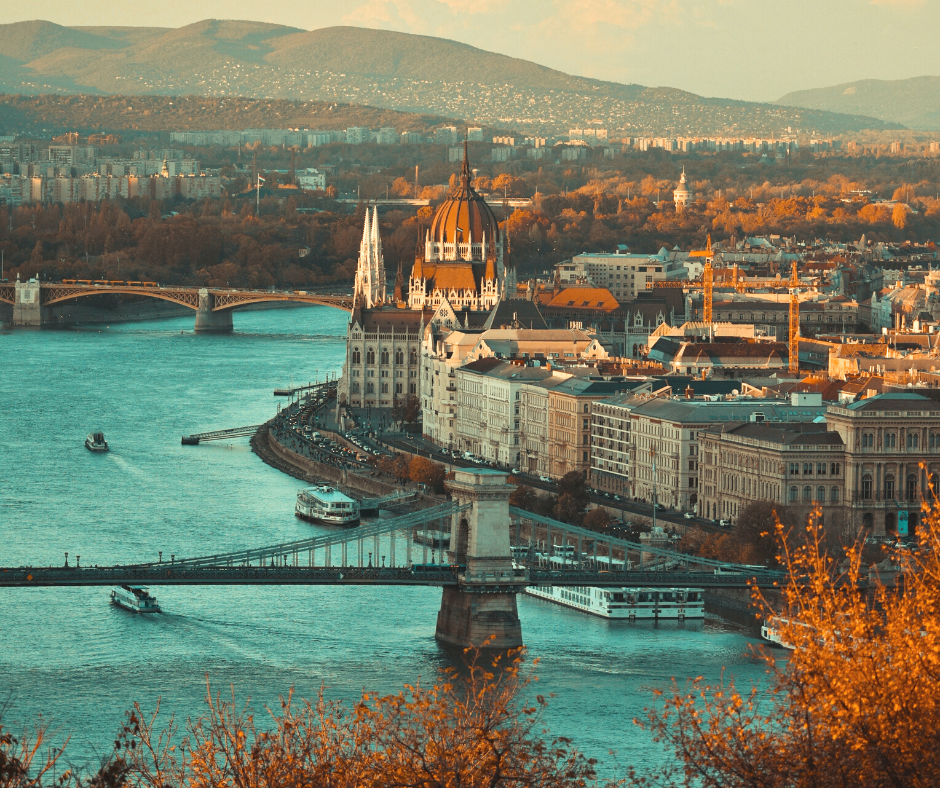 Hungary for nomads
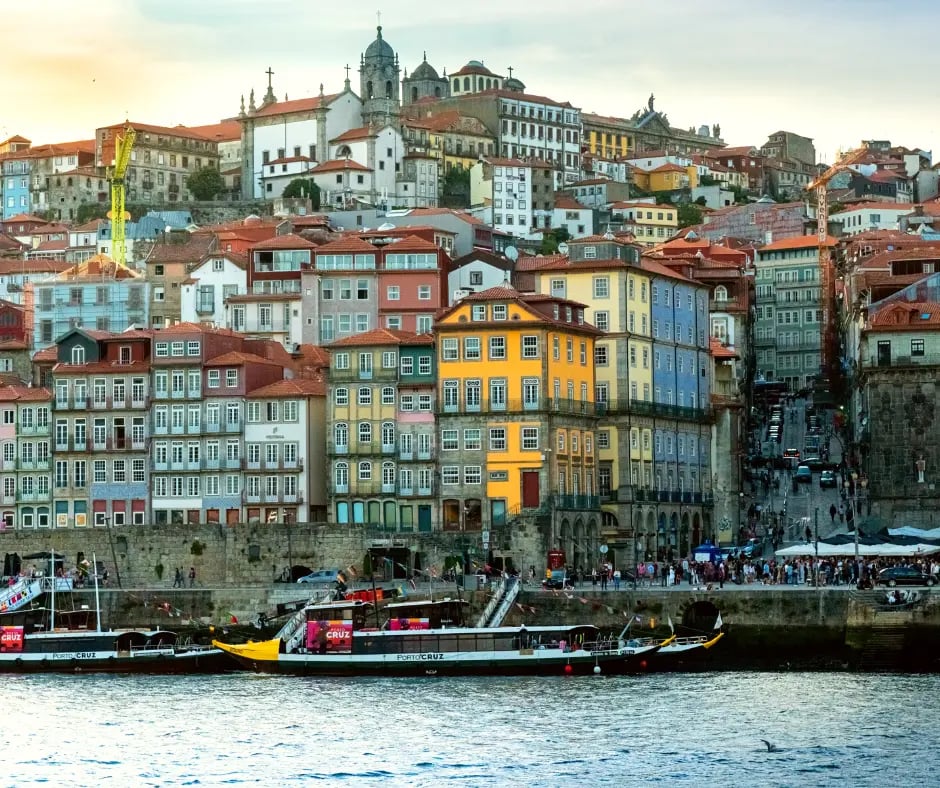 Skip the hotspots: 9 cheaper European cities for digital nomadsLisbon or Barcelona too pricey for a short stay? These 9 European cities have coworking spaces, laptop-friendly cafés and lower prices.