Namibia for nomads
Updated:
 Sarah KuhlemannCommunity manager
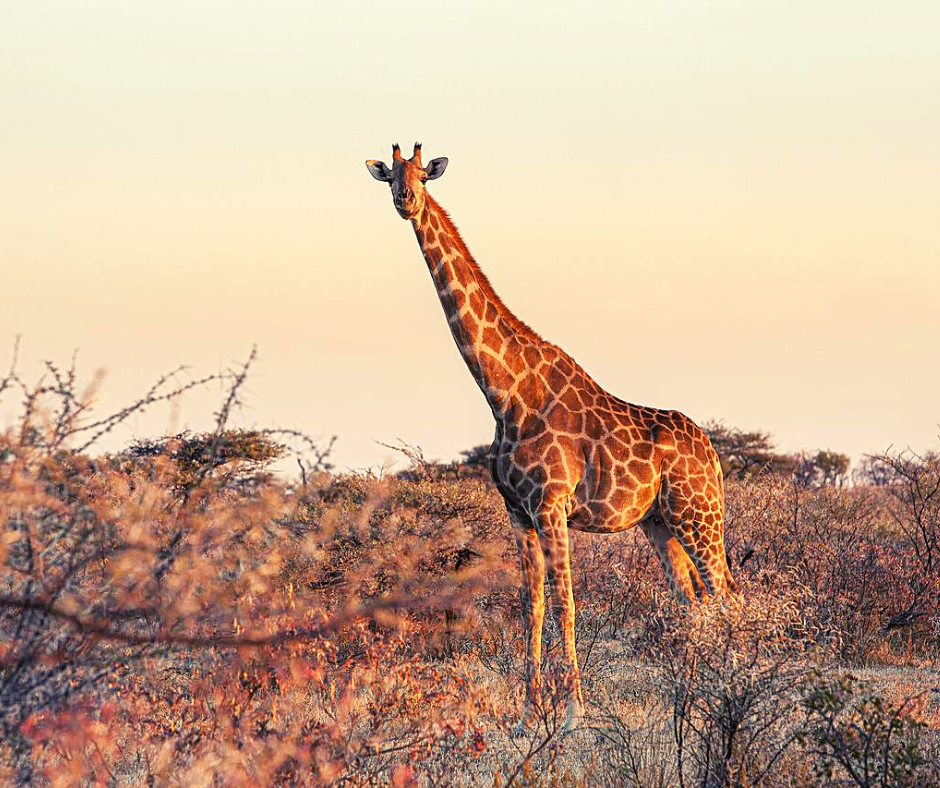
Namibia is one of the emptiest countries on earth: about 3 million people in an area more than twice the size of Germany. Red dunes, a cold and foggy Atlantic coast and some of Africa's best wildlife parks all lie within a day's drive of each other. Roads are good, English is the official language, and the country runs on the same time as Central Europe for half the year.
For remote workers, Namibia is a niche choice rather than a nomad hub. The scene is small, internet is slow outside fibre-connected spaces, and you realistically need a car. In return you get space, a real 6-month digital nomad visa, and weekends that look like nobody else's. This guide covers both sides honestly.
🌱 Health insurance for Namibia
Genki TravelerA travel health insurance with worldwide cover. Monthly payment plans, and easy signup in less than 1 minute.Discover Genki Traveler🎯 Namibia at a glance
| 🛂 Visa | Digital nomad visa: 6 months, US$2,000 a month. EU, UK and US tourists have needed a paid visa since April 2025 |
| ⏳ Max stay | 90 days per calendar year as a tourist, 6 months on the nomad visa |
| 💶 Monthly budget | €2,100 to €3,200 for a solo nomad including a rental car, €1,300 to €1,900 without |
| 🌤 Best time | May to October (dry season). The coast is cool all year |
| 🏝 Top areas | Swakopmund, Klein Windhoek and Ludwigsdorf (Windhoek), Walvis Bay |
| 🛜 Internet | ~15 Mbps median fixed broadband, fibre in coworking spaces, no Starlink |
| 🛡 Safety | US advisory Level 2 (increased caution). Road accidents are the biggest real risk |
🇳🇦 Entry requirements for Namibia
Tourists. Since April 1, 2025, nationals of 33 countries that used to enter visa-free need a visa. These include Germany and 12 other EU states, the UK, the US, Canada and Australia.
- You can apply online at the official portal, eservices.mhaiss.gov.na, or get a visa on arrival at Hosea Kutako and Walvis Bay airports and the main border posts.
- The fee is N$1,600 (about €87) for travelers aged 12 and over.
- According to the Ministry of Home Affairs fact sheet (version 4, May 2025), the holiday visa is multiple entry and granted for the number of days you request, up to 90 days in a calendar year.
- Ask for the days you actually need. Extensions are possible at regional immigration offices.
The digital nomad visa is handled by the investment board NIPDB, not the e-visa portal:
- Length: 6 months, single entry, not renewable. You can reapply only 12 months after it expires.
- Income: US$2,000 a month after tax for the main applicant, plus US$1,000 for a spouse and US$500 per child. Show it with payslips or an employment contract. Savings backed by six months of statements also count.
- Who can apply: employees of foreign companies, freelancers and self-employed people with income from outside Namibia. You can't take a local job.
- Documents: a medical certificate and radiological report on the Namibian forms, a police clearance, proof of health or travel insurance, and a motivation letter from your employer. Freelancers write their own letter.
- How to apply: email the complete file to nomadvisa@nipdb.com from outside Namibia. You can't apply while on a tourist visa. NIPDB quotes 2 to 3 weeks for a decision.
- Fee: N$3,300 (about €180), paid after approval and before you arrive.
- Tax: NIPDB notes that more than 180 days in Namibia may create a tax obligation. You also can't combine a tourist visa and the nomad visa in the same year.
 Countries with nomad visasWhich countries offer digital nomad visas, what do they cost, and which one fits your income and plans? Here are the programs worth knowing, with requirements, fees, and insurance rules verified against official sources.
✈️ How to get to Namibia
The gateway is Hosea Kutako International Airport (WDH), 45 km east of Windhoek.
- From Europe: Discover Airlines flies nonstop from Frankfurt daily and from Munich three times a week. Condor plans to add Frankfurt from June 2027.
- From southern Africa: Airlink connects Johannesburg and Cape Town, and FlySafair flies from Cape Town.
- From the rest of Africa and Asia: Ethiopian Airlines flies daily from Addis Ababa, the easiest one-stop route.
- To the coast: Walvis Bay airport (WVB) is the closer option for Swakopmund.
- Overland: the B1 crosses from South Africa at Noordoewer, and long-distance buses link Cape Town and Windhoek.
- From WDH into town: there is no public transport, so book a shuttle or take a taxi from the airport counter.
🗺 Where to base yourself
- Swakopmund is the most nomad-friendly base: cool, often foggy, walkable, with cafés, a coworking space and the desert on its doorstep. Stay central near the Mole and the beach to walk everywhere. Vineta and Ocean View are quieter residential streets a short drive north.
- Windhoek is the capital, with the best hospitals, shops and flight connections. Klein Windhoek has the café and restaurant scene close to the center, Ludwigsdorf is quiet and leafy on the hillside, and Eros is handy for Maerua Mall and the private hospital. Windhoek is a car city, so plan to drive or use ride-hailing, especially after dark.
- Walvis Bay, 30 km south of Swakopmund, is the cheaper, less touristy harbor town. It has a lagoon full of flamingos, good kitesurfing and the coastal airport.
- Lüderitz on the remote southern coast is worth a visit for its colonial architecture and wild coastline, but it works as a stop rather than a base.
💶 How much does it cost?
| Per month | Swakopmund | Windhoek (Klein Windhoek) | Walvis Bay |
|---|---|---|---|
| Furnished 1BR, 1 to 3 months | €700-1,100 (N$13,000-20,000) | €700-1,100 (N$13,000-20,000) | €600-950 (N$11,000-17,500) |
| Coworking | €100-200 | €100-200 | €100-200 |
| Food | €300-450 | €300-450 | €300-450 |
| Rental car (small car) | €900-1,300 | €900-1,300 | €900-1,300 |
| Fuel and data | €100-180 | €100-180 | €100-180 |
| Realistic total | €2,100-3,200 | €2,100-3,200 | €2,000-3,050 |
Euro figures use about N$18.40 to €1 (November 2026). The Namibian dollar is pegged 1:1 to the South African rand, and rand is accepted everywhere.
Most long-term rentals ask for a 12-month lease and one to two months' deposit. For a 1 to 3 month stay you will usually book a furnished holiday flat, which costs more. The car is the line that makes Namibia pricier than its everyday costs suggest. In return, a flat white costs around N$35 to 45 (about €2) and a main course in a mid-range restaurant N$150 to 250 (€8 to 14).
🧑🏻💻 Where to work from
Swakopmund
- Desert & Ocean: an independent coworking space in a converted warehouse, run by a French couple who also run a safari company. It has hot desks from N$90 an hour (about €5), eight private desks, private offices and a meeting room, with Paratus fibre and free coffee. It's open weekdays and Saturday mornings, and it's the closest thing Namibia has to a nomad coworking.
- Cafés: Slowtown Coffee Roasters started in Swakopmund and is the country's best-known roaster. Two Beards Coffee Roasters works from a warehouse in the industrial area. Both are fine for a few hours' work, not for calls.
Windhoek
- Regus and Spaces: the international chain has centres at Maerua Mall, in the CBD and in Klein Windhoek, with day passes at N$550 (about €30) and monthly desks. Several recent reviews mention slow deposit refunds, so agree the deposit terms in writing.
- Cafés: Slowtown has outlets on Independence Avenue, in Grove Mall and in Maerua Mall. South Africa's Vida e Caffè opened at Maerua Mall in 2026.
👥 Finding community
Namibia has no nomad scene in the Bali or Lisbon sense. The community is small, and it gathers around a handful of organizers:
- WiFi Tribe: holds two Swakopmund chapters in 2027, from January 15 to February 11 and from February 12 to March 12.
- Desert & Ocean in Swakopmund connects members with local entrepreneurs and other remote workers.
- Expat Facebook groups for Windhoek and Swakopmund are where housing leads, car sales and events get posted.
🛜 Internet and SIM cards
Internet is Namibia's weak spot. Median fixed broadband was around 15.5 Mbps at the end of 2025 (Ookla, via DataReportal), among the slowest in Ookla's global ranking. Coworking spaces and better rentals use fibre, so ask your host for a speed test before you book. Outside towns, coverage drops quickly, with long stretches of gravel road and parkland without signal.
Starlink is not an option. The regulator CRAN refused its licence in March 2026 and dismissed the appeals in June 2026, so the service isn't legally available.
The simplest way to stay connected is a global eSIM from Pangia: one plan that covers Namibia and whatever country comes next. For a month or more, add a local prepaid SIM from MTC, the largest network, or TN Mobile. Both have counters at Hosea Kutako airport, and you register with your passport.
🌤 When to go where
| Region | 🌞 Best time | 🌧 Avoid | Why |
|---|---|---|---|
| Windhoek & central | Apr-Oct | - | Dry, sunny winter days with cold nights. Hot summers with afternoon storms |
| Coast (Swakopmund, Walvis Bay) | All year | - | The cold Atlantic keeps it mild and foggy. Book early for the December holiday peak |
| Etosha | Jun-Oct | Jan-Mar | Dry season concentrates wildlife at waterholes. Rains disperse animals and raise malaria risk |
| Sossusvlei & Namib | May-Sep | Dec-Feb | Mild days for dune hikes. Summer midday heat is extreme |
🚌 Getting around Namibia
- Car: the default. Namibia drives on the left, and most roads beyond the main routes are gravel. Keep speeds moderate on gravel, never drive after dark because animals and unlit vehicles share the road, and fuel up whenever you can. A normal car covers the tar roads and the coast. Rent a 4x4 for Damaraland and the last sandy stretch at Sossusvlei, or use the park shuttle there.
- Buses and shuttles: long-distance buses and shuttle companies link Windhoek with Swakopmund and Walvis Bay. Fine for getting to the coast, not for exploring.
- Domestic flights: FlyNamibia flies from Windhoek's city airport, Eros, to the north of the country.
- Ride-hailing: LEFA, Yango and inDrive operate in Windhoek, and Yango also works on the coast. There is no Uber.
🚧 Safety
Namibia is a Level 2 destination in the US travel advisory (exercise increased caution), citing crime and health, last updated May 15, 2026.
- Windhoek: petty crime is the realistic risk. Watch for smash-and-grab theft from cars, bag snatching and ATM skimming. Use ATMs inside malls or banks, keep valuables out of sight in the car, and take a ride-hailing car after dark instead of walking.
- Roads: the real danger. Most serious incidents involving visitors are single-vehicle rollovers on gravel, wildlife collisions and tired drivers. Plan short driving days.
- Wildlife: in Etosha you must stay in your vehicle outside the fenced camps. Keep your distance from elephants on the road.
- Police roadblocks: they are common. Stop, have your license and rental papers ready, and wait to be waved through.
🏥 Healthcare
- Private care: concentrated in Windhoek, at Mediclinic Windhoek in Eros and the Roman Catholic Hospital. Swakopmund has a private Mediclinic for the coast.
- Remote areas: distances are the issue. Serious cases go by road or air ambulance to Windhoek or South Africa, so check that your insurance covers medical transport.
- Malaria: there is none in Windhoek or on the coast. It is present in the north, including the regions around Etosha, the Kavango and the Zambezi (Caprivi) strip. There was an outbreak there in 2026, and the CDC recommends prophylaxis for those regions.
- Water: bottled or filtered water is the safe default while traveling.
- Emergency numbers: call 211111 in Windhoek for an ambulance, or 10111 anywhere else. Police are on 10111.
🎖 Must see
- Sossusvlei and Deadvlei: red dunes and the white clay pan of dead camel thorn trees. Enter at Sesriem at sunrise, before the heat and the crowds.
- Etosha National Park: one of Africa's great wildlife parks, a long day's drive north of Windhoek. Its waterholes and rest camps (Okaukuejo, Halali, Namutoni) are run by Namibia Wildlife Resorts.
- Skeleton Coast: shipwrecks, fog and the skull-and-crossbones Ugab Gate, plus the seal colony at Cape Cross on the way.
- Spitzkoppe: granite peaks and rock arches about two hours inland from Swakopmund, best for a night of camping.
- Fish River Canyon: Africa's largest canyon in the far south, with viewpoints near Hobas and a famous multi-day hike in the cooler months.
- Swakopmund adventures: sandboarding, Living Desert tours, and kayaking with seals in Walvis Bay.
- Damaraland: the UNESCO-listed rock engravings at Twyfelfontein and desert-adapted elephants.
❓ Frequently asked questions
Yes. It runs 6 months, requires US$2,000 a month in income from outside Namibia, and costs N$3,300 on approval. You apply through NIPDB from outside the country. It is single entry and not renewable.
Up to 90 days per calendar year on a holiday visa (N$1,600 for most European and North American passports), or 6 months on the digital nomad visa. You can't combine the two in the same year.
Swakopmund. It is walkable, mild, has a coworking space and puts the desert and the coast on your doorstep. If you want a ready-made group, a WiFi Tribe chapter in Swakopmund is the easiest entry.
It is one of the calmer countries in southern Africa. The realistic risks are petty crime in Windhoek and accidents on gravel roads. Use ride-hailing after dark, keep valuables out of sight in cars, and never drive at night.
In coworking spaces and fibre-connected flats in Windhoek and Swakopmund, yes. Nationally, speeds are slow, Starlink is not licensed, and there is no signal on long stretches outside towns, so plan work days in town.
About €2,100 to €3,200 a month including a rental car, or €1,300 to €1,900 without one. Rent and the car decide your budget, and everyday costs are low.
Traveling that area? Check out Namibia's neighborhood.
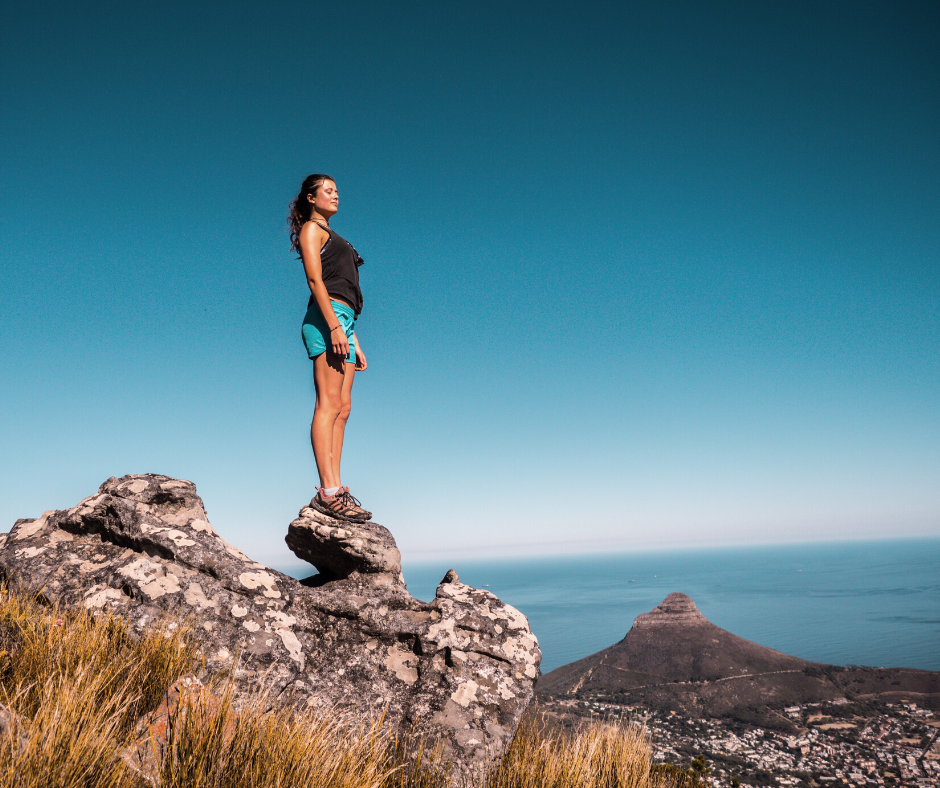 South Africa for nomadsCape Town, Johannesburg and the Garden Route for remote workers in 2026: realistic short-stay costs in rand and euros, how the remote work visa really works, where to cowork, and how to handle safety and power without the 2023 doom.
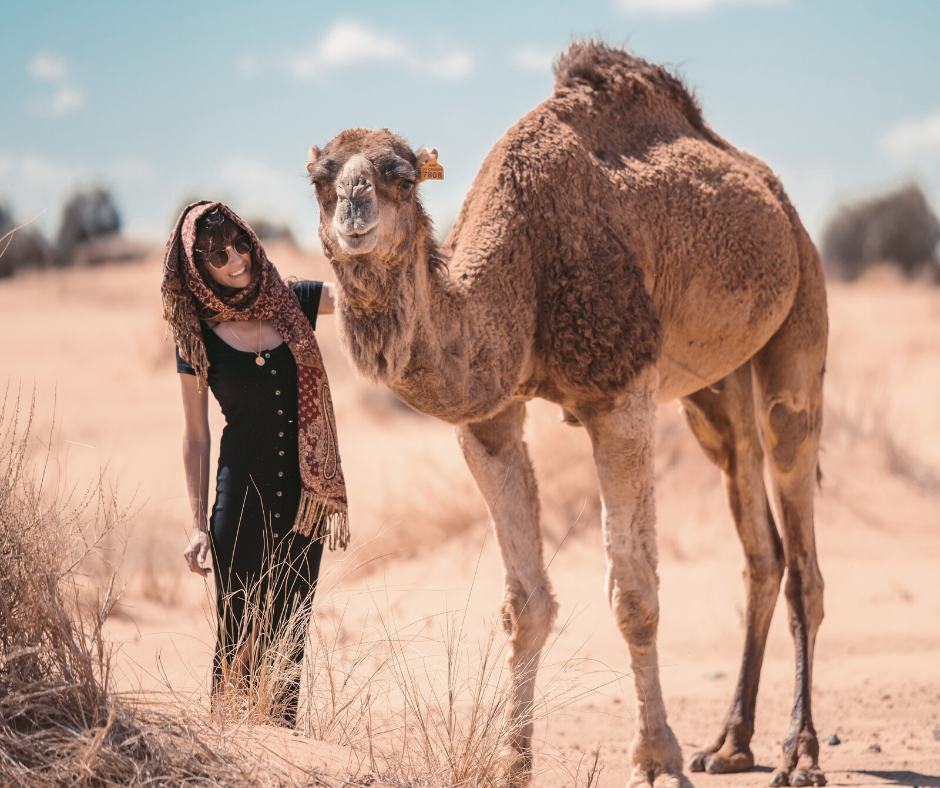 Morocco for nomadsMorocco has no digital nomad visa, but 90 visa-free days, European working hours and short flights from most of Europe make it a strong winter base. Marrakech, Taghazout, Essaouira, Rabat and Tangier compared, with 2026 costs and verified spaces.
 Egypt for nomadsEgypt has no digital nomad visa, but cheap living, winter sun and the Red Sea keep nomads coming. Here is how it works in Cairo, Dahab, Alexandria and El Gouna in 2026.