15 money-saving tips for nomads

Updated:
 Sarah KuhlemannCommunity manager
Life on the road doesn't have to be expensive. Where you base yourself, how you get around, where you sleep and what you eat make the biggest difference to what you spend as a nomad.
These 15 tips cover those main cost levers, from choosing affordable destinations to claiming back VAT on shopping in the EU.
🌱 Affordable travel health insurance
Genki TravelerA travel health insurance with worldwide cover. Monthly payment plans start at €52.50.Check prices🌏 Destinations
#1 Use geo-arbitrage
The concept of geo-arbitrage is favorable for everyone who is able to earn money in rich countries and spend it in lower-income countries.
An extreme example is when you work in IT and you get a salary through US clients or US employment and you live in a low-income country like Cambodia.
Geo-arbitrage has a downside too, as it can contribute to gentrification and rising rents for locals. Still, it's one of the biggest levers for saving money as a nomad.
#2 Stay in affordable countries
Although inflation is causing rising prices in almost every corner of the world, there are still countries that are way more affordable than others.
Find countries that have lower costs of living and give you long stays, for example, Mexico. Visitors can stay up to 180 days, but the immigration officer decides at entry how long you get, and it can be less. Don't plan around six months until you see the number of days you've been granted (Embassy of Mexico).
Other countries are Ecuador, Cambodia, and Thailand. When choosing Thailand, avoid the tourist hotspots like Phuket, Chiang Mai, and Bangkok. There are hundreds of little towns, like Hua Hin, that is less overpopulated and offer lower prices for rentals.
 11 affordable countries for digital nomadsGeo-arbitrage still works, just not everywhere it used to. We checked real city budgets across three continents: these are the 11 countries where a nomad month costs €600 to €1,350, and the five famous ones that fell off the list.
#3 Avoid hotspots
Instead of staying in touristy areas such as Lisbon, Barcelona, or Tulum, stay a bit further away and visit the hotspots on a day trip.
For example, instead of staying in Lisbon, try out Coimbra, or Porto. Instead of staying in Chiang Mai, choose Pai. Skip Canggu for Bali's northern coast, and trade Tulum for Playa del Carmen or Puerto Morelos.
🚌 Transportation
#4 Travel slow
As mentioned already, choose countries that offer you longer visas, at least 3 months or even 6 months. You can save quite a lot of money when renting for one or three months minimum.
Slow travel can decrease your stress level as you don't need to research a new destination, pack up your stuff, and spend hours or days just traveling. Instead, you can use these travel days as days off, and explore the surrounding.
You can engage with the local and expat community, join weekly meetups, and a dance or language class. Staying longer in a place allows you to make new friends and deepen the friendship as you have time to share experiences together.
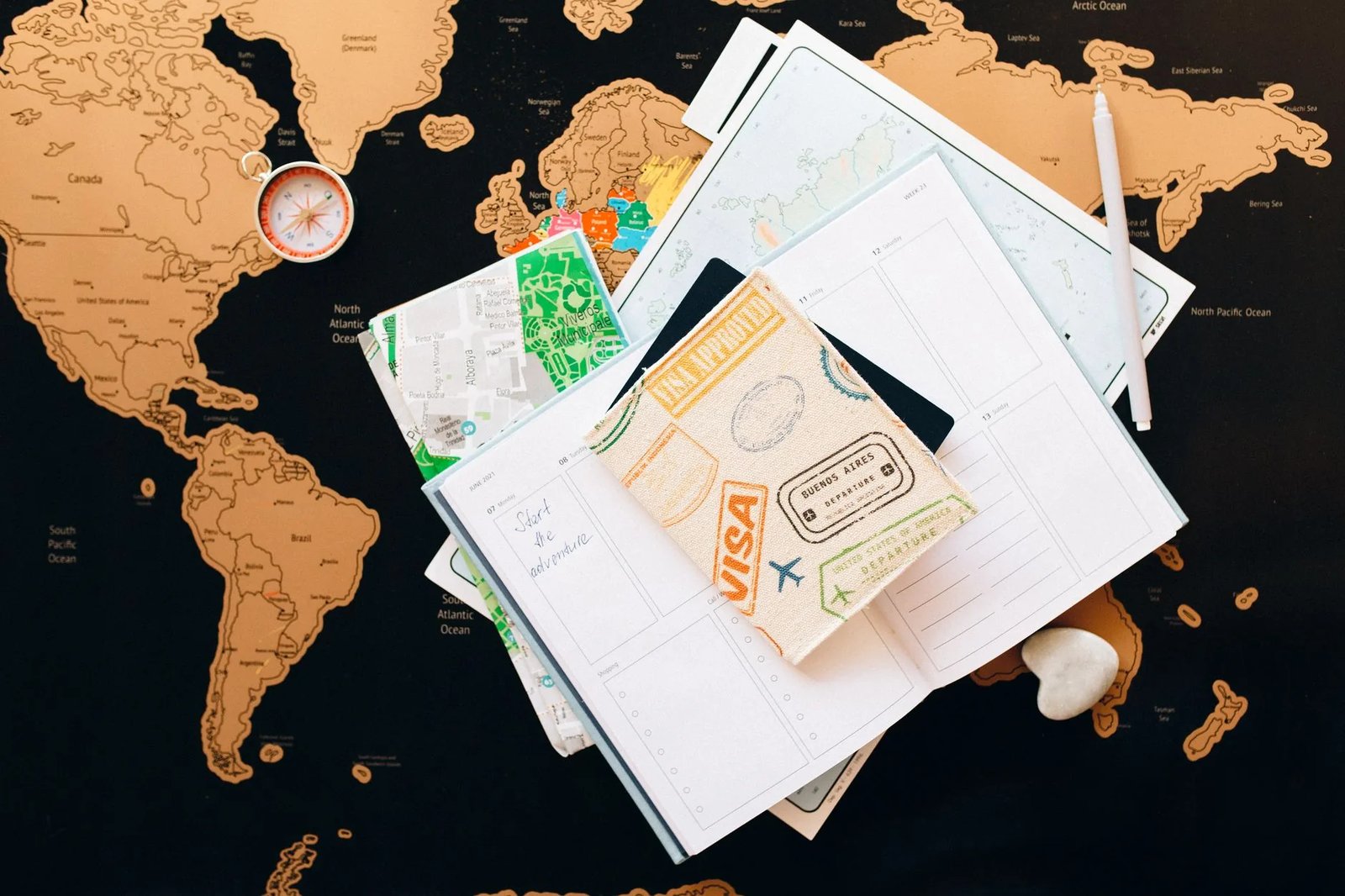 Countries with nomad visasWhich countries offer digital nomad visas, what do they cost, and which one fits your income and plans? Here are the programs worth knowing, with requirements, fees, and insurance rules verified against official sources.
#5 Avoid private transportation
Uber, taxi, and co are so convenient, especially when you just arrived and just want to get your luggage to your place.
In Europe, it is very easy to skip Uber and taxis and use public transportation instead. Or even walk the distance. Many European cities are very walkable.
Walking comes with several benefits, you see your new neighborhoods, you pass by some sightseeing points, you discover hidden restaurants and coffee shops, and you increase your fitness level.
A simple rule that helps: walk any distance under 2 km when you're not carrying luggage.
 13 health benefits of walking
#6 Adjust your travel plans
Review your travel itinerary according to flight prices. Sometimes it is cheaper to travel to destination B first, before traveling to destination A.
For example, flying from Mexico via Colombia to Panama can turn out cheaper than doing the same trip in reverse. Sometimes flying on weekdays is cheaper than on weekends, although that might collide with work hours.
Or change the type of transport, for example, take the train instead of a plane when traveling through Europe. You might find a cheaper first-class seat bringing you from Lisbon to Barcelona than taking a plane. And maybe you can use the train to work as many operators offer onboard wifi.
Instead of taking the plane from the Americas to Europe, have a look if you find an affordable repositioning cruise. These cruise types operate in the shoulder or off-season as the cruise operators need their ships in a different location, for example in winter cruise ships are located in the Caribbean but get repositioned in spring to operate in the Mediterranean Sea.
A 2-week crossing can cost around €1,000 per person in a shared inside cabin, including transport and meals. Wi-Fi, gratuities and excursions cost extra.
🏡 Accommodation
#7 Stay longer in one area
Instead of hopping countries and continents frequently, adjust your travel plans to stay longer in one area. Spend the entire winter season in Asia or Latin America, and spend money on expensive inter-continental flights only once or twice a year.
 How to find longterm stays
#8 Rent locally
It is easy to check Airbnb for availabilities and prices, but their service got so expensive over the past years.
If it is possible, search for local rentals and rent long-term, meaning one month or longer. You can find local rentals by contacting people through Facebook groups and sending requests to local real estate and serviced apartment agencies.
And of course by walking around on-site and looking for advertisements.
 How to find accommodation as a nomadFinding a good base is half the nomad life. Here are five practical ways to find accommodation in 2026, from budget stays and housesitting to coliving communities and family-friendly rentals.
🍔 Food and drinks
#9 Avoid food deliveries
The cost of food deliveries depends greatly on your destination. But if you are in the USA, in Canada, or in Europe, food deliveries can cost just as much as eating out.
#10 Avoid dining out
If you stay in a more expensive destination, you can save a lot of money when avoiding dining out.
Maybe you can reduce dining out to a few times per week and combine it with social activities.
#11 Avoid alcohol
In many areas, especially in Asia or in some Latin American countries, alcohol is very affordable. Other countries charge high taxes on alcohol, for example, Singapore, and the USA.
But also Europe can be expensive when it comes to alcohol. The cool thing about Europe is, that you can simply buy a bottle of wine, invite your friend, and share a bottle of wine outside, in a park, at a river, or at public plazas. In Paris, you can sit on the steps below Sacré-Cœur and have a glass of wine.
#12 Stop over-tipping
Tipping customs vary a lot between countries. In the USA and Canada, tips are expected and add a noticeable share to most bills, and it's easy to carry that habit to places where tipping is modest or optional.
Check the local tipping culture before you go. Where tipping is optional, a tip is a thank-you for going the extra mile, not an obligation, and there's no need to feel bad about skipping it after poor service.
🛍️ Shopping
#13 Check if you can claim back VAT in the EU
Prices in EU shops include VAT. Visitors who live outside the EU can get part of it back on goods they take home. The catch for nomads is that it depends on where you live, not on which passport you hold.
Who qualifies
- You can claim if your permanent or habitual residence is outside the EU. That includes EU citizens who live outside the EU and can prove it, for example with a residence permit (European Commission).
- You can't claim if you live in the EU, whatever your nationality. A non-EU nomad with an EU residence permit or digital nomad visa, for example in Spain or Portugal, counts as an EU resident.
- Shops check your passport and may ask for proof of a home address outside the EU. France also limits the refund to visitors staying less than six months.
How it works
- Buy physical goods you take with you. Hotels, meals and other services don't qualify. The goods must leave the EU unused, in your luggage, within three months of purchase (Your Europe).
- Spend enough in one shop. Each country sets its own minimum. In France, for example, it's more than €100 in the same shop on the same day (French customs). Check the rules of the country you're shopping in.
- Ask for the tax-free form at the till and show your passport.
- Get the form validated at your last EU exit point, at the customs desk or a digital kiosk (PABLO in France). Keep the goods to hand in case customs wants to see them. Without validation, there is no refund.
- Claim the refund from the shop or the refund operator named on the form.
How much you get back: the VAT minus the operator's fees, so always less than the headline VAT rate. VAT is already included in the price: at a 20% rate, it makes up about a sixth of what you paid.
Some apps let you collect invoices from several shops on one form, which helps you reach the minimum. Zapptax works in France and Belgium and pays back up to 90% of the VAT, with a higher share for bigger spends. Airvat works in France and keeps 20% of the VAT as its fee.
Shopping in Great Britain doesn't count. Tax-free shopping for visitors there ended on 1 January 2021 (HMRC).
💸 Subscriptions
#14 Get an affordable travel health insurance
When it comes to health, have in mind that your body is your most valuable asset. Without your health, your life would look a lot different.
Invest in your health by covering yourself for emergencies and medically necessary treatments. Paying out-of-pocket surgeries or repatriation flights has caused go-fund-me campaigns in the past for people who had no insurance.
Genki TravelerA travel health insurance with worldwide cover. Monthly payment plans start at €52.50.Check prices#15 Cancel all unused and unnecessary subscriptions
Have a look at your monthly bank account statement and view the subscription you pay for.
Maybe there is an app you are not using, a streaming service you actually don't need, or other monthly subscriptions that look little but make up a big amount when summed up.
🎀 Conclusion
Most of what you save as a nomad comes from a few big decisions: where you base yourself, how long you stay, and how you travel between places. Smaller habits, like cooking more, walking short distances and checking your subscriptions, add up over the months.
Pick the tips that fit your travel style. Just don't cut corners on health cover: a single uninsured emergency abroad can cost more than everything else on this list saves.
11 affordable countries for digital nomadsGeo-arbitrage still works, just not everywhere it used to. We checked real city budgets across three continents: these are the 11 countries where a nomad month costs €600 to €1,350, and the five famous ones that fell off the list. 13 creative work places
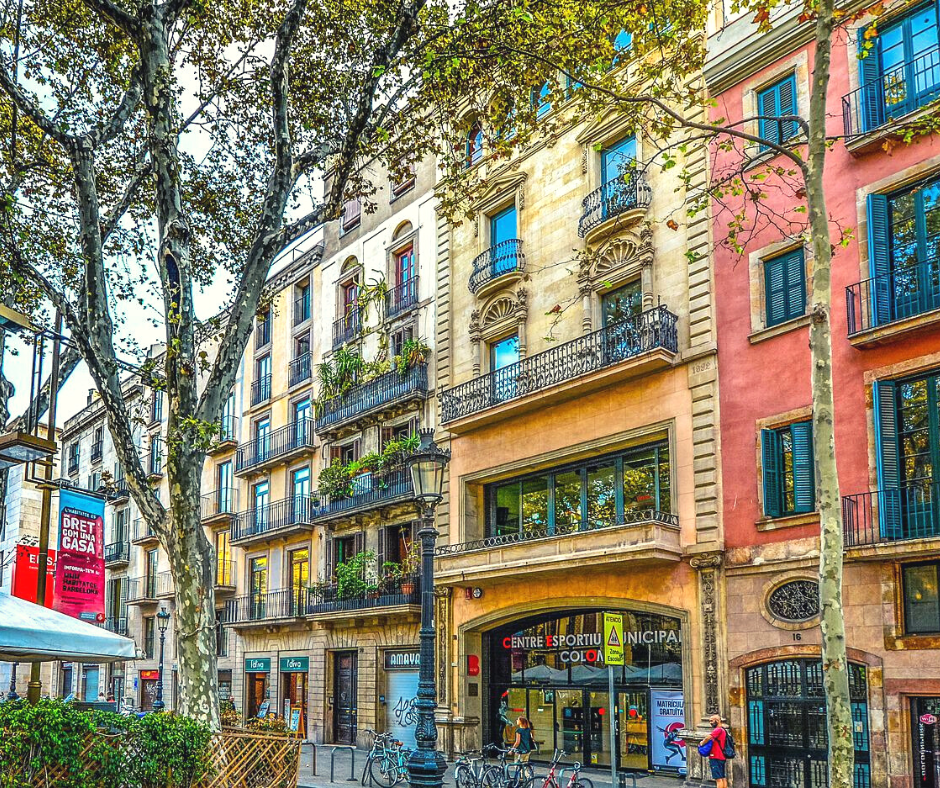 Barcelona cost of livingBarcelona rents jumped hard, then Catalonia's rent caps froze the market. Here is what the city actually costs a nomad in 2026, with realistic budgets for sharing, solo, and family setups.