Cambodia for nomads
Updated:
 Sarah KuhlemannCommunity manager
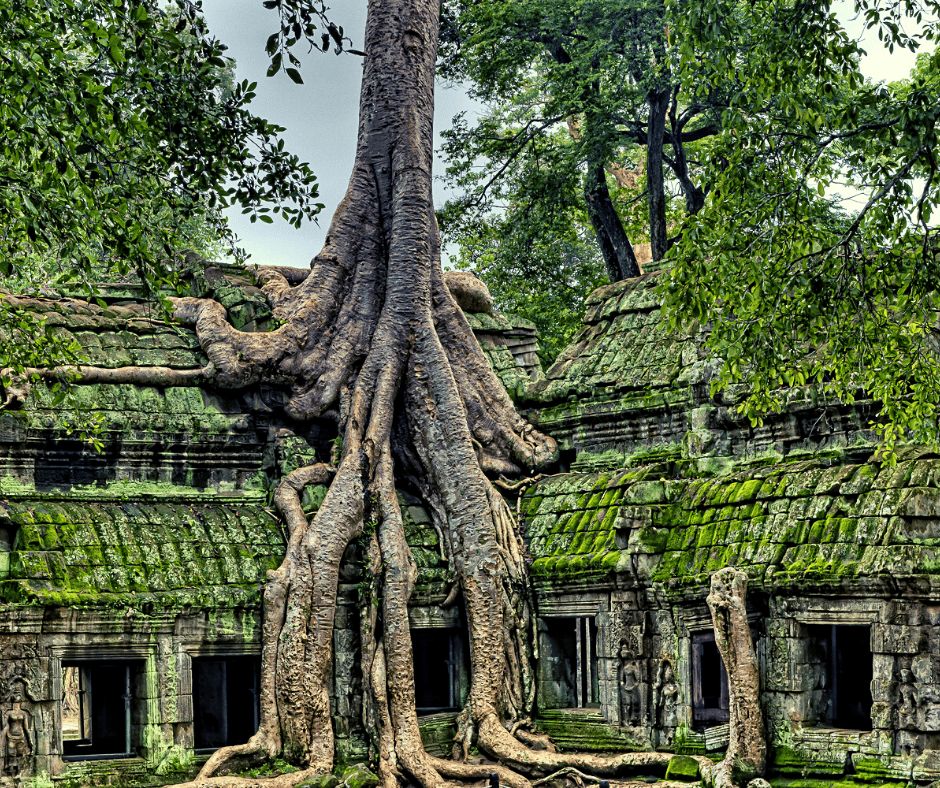
Cambodia packs a lot into a small country: the temples of Angkor, a fast-changing capital on the Mekong, and a quiet coast where Kampot pepper grows. Day-to-day costs are low, prices are often quoted in US dollars alongside the riel, and the main bases are a bus ride apart.
For digital nomads, there are two sides. Phnom Penh has coworking, cafés and a large expat community, and the ordinary visa can be extended from inside the country. At the same time, there is no digital nomad visa, healthcare outside the two big cities is basic, and the land border with Thailand has been closed since 2025. This guide covers both.
🌱 Health insurance for Cambodia
Genki TravelerA travel health insurance with worldwide cover. Monthly payment plans, and easy signup in less than 1 minute.Discover Genki Traveler🎯 Cambodia at a glance
| 🛂 Visa | No digital nomad visa. Tourist e-visa ($30, about €27) or ordinary E visa ($35, about €32) |
| ⏳ Max stay | 30 days per entry. Tourist visa extendable once by 30 days, E visa extendable for 1 to 12 months |
| 💶 Monthly budget | €550 to €1,300 for a solo nomad, depending on the base |
| 🌤 Best time | November to February |
| 🏝 Top areas | BKK1 and Toul Tom Poung (Phnom Penh), Siem Reap, Kampot |
| 🛜 Internet | ~55 Mbps median fixed broadband, ~124 Mbps mobile (Ookla, September 2026) |
| 🛡 Safety | US advisory Level 2. UK, US and German advice: avoid the Thai border area |
🇰🇭 Entry requirements for Cambodia
Most nationalities need a visa. For visitors there are two types:
- Tourist visa (T): available as an e-visa at evisa.gov.kh or on arrival. Since January 1, 2025, the tourist e-visa costs $30 (about €27). The visa on arrival also costs $30, paid in cash US dollars with a passport photo. It allows one entry of 30 days, an e-visa must be used within 3 months of issue, and you can extend it once by 30 days inside Cambodia.
- Ordinary visa (E): the route long-stayers use. It costs $35 (about €32) as an e-visa and also gives 30 days on entry, but it can be extended from inside Cambodia for 1, 3, 6 or 12 months. Extensions are processed by the General Department of Immigration and usually arranged through agents. No official fee list is published, so confirm the current price before you commit.
Cambodia has no digital nomad visa. Working for a Cambodian employer requires a business visa and a work permit.
- e-Arrival card: if you fly into Phnom Penh, Siem Reap or Sihanoukville, submit the free e-Arrival card within the 7 days before you arrive.
- Address registration: your hotel or landlord registers you in the immigration system FPCS. If you rent privately, check that it has been done, because without registration you may not be able to extend your visa.
- Passport: needs at least 6 months' validity on arrival. Overstays are fined daily.
- Border status (November 19, 2026): the land crossings between Cambodia and Thailand remain suspended, according to the UK Foreign Office. Buses from Ho Chi Minh City cross the Vietnamese border at Bavet as usual.
 Asia made easyWhere to start in Asia as a remote worker: ten bases compared on real monthly costs, the visa that actually works in each, internet, seasons, and two sample routes for your first three months.
✈️ How to get to Cambodia
- Phnom Penh: flights arrive at the new Techo International Airport (KTI), which replaced the old Phnom Penh International Airport on September 9, 2025. It lies roughly 20 to 30 km south of the city, so plan for a longer transfer than before.
- Siem Reap: Siem Reap–Angkor International Airport (SAI) sits well outside town. Take the airport shuttle bus or a taxi.
- From Vietnam: Giant Ibis runs buses to Ho Chi Minh City from both Phnom Penh and Siem Reap.
- From Thailand: fly. Overland travel is not possible while the border is closed.
🗺 Where to base yourself
- Phnom Penh is the practical base, with the most coworking, apartments and international healthcare. BKK1 (Boeung Keng Kang 1) is the central expat district, full of cafés and serviced apartments. Tonle Bassac sits between BKK1 and the river and is slightly calmer. Riverside (Daun Penh) is the old town along Sisowath Quay, with colonial buildings and nightlife. Toul Tom Poung, around the Russian Market, is popular with long-stayers and close to Impact Hub.
- Siem Reap is smaller and calmer once the tour groups leave. Stay in the residential Wat Bo area on the east bank, or near Rose Apple Square on the west side if you want coworking and coliving on site.
- Kampot is a slow riverside town at the foot of Bokor mountain, a good fit for writers and anyone who does not need a coworking desk.
- Kep is a short drive from Kampot: a small seaside town known for its crab market and national park. It is quieter still and best combined with a stay in Kampot.
💶 How much does it cost?
| Per month | Phnom Penh (BKK1, Toul Tom Poung) | Siem Reap | Kampot and Kep |
|---|---|---|---|
| Furnished studio or 1BR | €400-800 | €270-500 | €230-410 |
| Coworking | €32-64 | Confirm with operator | Cafés |
| Food | €250-350 | €220-320 | €200-300 |
| Transport | €40-70 | €30-60 | €40-70 (scooter) |
| Utilities, internet, SIM | €50-90 | €40-80 | €40-70 |
| Realistic total | €800-1,300 | €650-1,050 | €550-900 |
All figures are estimates as of November 19, 2026, converted at €1 ≈ $1.10 and $1 ≈ 4,000 riel. Rents are quoted in dollars, and for short stays you should expect the top of each range: serviced 1-bedroom apartments in BKK1 listed through agencies often start around $900 a month, while simpler studios further out cost less. Electricity is billed by the unit on top of rent, at around $0.30 per kWh in serviced buildings, so months with heavy air conditioning cost more.
At €550 to €1,300 a month, Cambodia fits well within a €1,500 budget. For comparison, see 11 affordable countries for digital nomads and Asia under €1,500 a month.
 Asia under €1,500 a month: 10 cities checkedWe checked 14 Asian nomad spots against a €1,500 monthly budget. Ten made the cut, from a €600 lakeside town in Nepal to Chiang Mai. Real rents, verified coworking prices, and the honest catch in each one.
🧑🏻💻 Where to work from
Phnom Penh
- Impact Hub Phnom Penh: a community-focused space near Toul Tom Poung. The full-time hot desk plan (5 days a week) costs $70 a month (about €64), and a part-time plan for 2.5 days a week costs $40 (about €36).
- Workspace 1 at Factory Phnom Penh: coworking in a converted factory south of the centre, with call booths, meeting rooms, a café and regular events. Plans start at $35 a month (about €32).
- Regus: business-style centres in central towers. A hot-desk membership starts at $65 a month (about €59).
Siem Reap
- Siem Reap House at Rose Apple Square: described as the city's largest coworking space, and free for residents of the Commune coliving in the same complex. Day and monthly prices are not published, so ask on site.
Kampot and Kep
No coworking space here publishes prices on its own website as of November 2026. Plan to work from your accommodation, and ask about wifi speed and backup power before you book.
👥 Finding community
- Coworking events: Impact Hub and Factory Phnom Penh run regular events and workshops open to non-members, the easiest way to meet people.
- Coliving in Siem Reap: Commune at Rose Apple Square runs community dinners and coworking sessions for residents.
- Facebook groups: each base has active expat and nomad groups for housing leads and meetups.
🛜 Internet and SIM cards
Cambodia's internet works well for remote work in the cities. Ookla measured a median of about 55 Mbps on fixed broadband and 124 Mbps on mobile in September 2026. Coverage is weaker on the islands and in remote areas.
The simplest setup is a global eSIM from Pangia, which covers Cambodia and the next country on your route. For longer stays, add a local prepaid SIM from Smart, Cellcard or Metfone, sold at airport counters and official shops against your passport. A Cambodian number is useful beyond data, because self-registration in FPCS requires one.
🌤 When to go where
| Region | 🌞 Best time | 🌧 Avoid | Why |
|---|---|---|---|
| Phnom Penh | Nov-Feb | Jun-Oct | Dry and less hot. Monsoon storms flood roads, including the route to the airport |
| Siem Reap and Angkor | Nov-Feb | Mar-May | Cooler temple mornings. The hottest months come before the rains |
| Kampot and Kep | Nov-Apr | Jul-Sep | Dry season on the coast. Heavy rain mid-monsoon |
| Mekong and Kratie | Nov-Feb | Jun-Oct | Calmer river. High water brings fast, dangerous currents |
🚌 Getting around
- Ride-hailing: Grab and PassApp work in Phnom Penh and Siem Reap and are the easiest way to skip fare negotiations, for cars and tuk-tuks alike.
- Tuk-tuks: choose ones with metal grills on the sides, which protect against bag snatching. Avoid motorbike taxis, which have poor safety standards.
- Buses: Giant Ibis connects Phnom Penh with Siem Reap, Kampot, Kep and Sihanoukville, and Siem Reap with Battambang and Kampot. Daytime departures are the safer choice, since accident risk on Cambodian roads rises after dark.
- Domestic flights: the quickest way between Phnom Penh and Siem Reap.
- Scooters: helmets are mandatory and police issue on-the-spot fines. Bikes over 125cc may require an international driving permit. Never leave your passport as a rental deposit.
🚧 Safety
The US rates Cambodia Level 2, exercise increased caution, citing crime, unrest and unexploded ordnance (advisory issued September 15, 2026). All official advisories single out the Thai border: the UK Foreign Office (still current at November 18, 2026) and the German Foreign Office (as of October 27, 2026) advise against travel within 20 km of it, and Australia and the US within 50 km. Phnom Penh, Siem Reap, Kampot and Kep lie outside these zones.
- In the cities: most theft is bag snatching by passing motorbikes, especially along Phnom Penh's riverfront and in BKK. Carry bags on the side away from the road. The German Foreign Office also reports repeated thefts from guesthouses and hotels in Phnom Penh, Siem Reap and Sihanoukville.
- Common tourist tricks: fake dollar notes handed out as change, unofficial fees at land borders, and job offers promising easy, well-paid work that can be fronts for trafficking. For taxis and tuk-tuks, book through an app or agree the fare before you get in.
- Nightlife: drink spiking and methanol poisoning have both been reported. Women have been assaulted by men posing as motorbike taxi drivers around Pub Street in Siem Reap, so use app-booked rides at night.
- Road safety: Cambodia has one of the highest road accident rates in Southeast Asia. Avoid road travel after dark where you can.
- Rural and border areas: landmines and unexploded ordnance remain, and mined areas are often unmarked. Stay on marked paths in rural areas, including around temples, and do not pick up metal objects. The main tourist areas have been cleared. The German Foreign Office also advises against taking photos anywhere along the Thai border.
- Drugs: Cambodia has zero tolerance, including for cannabis, and sentences are long.
🏥 Healthcare
Phnom Penh and Siem Reap have private clinics and hospitals. Outside these two cities, care can be limited or unavailable. Serious cases are usually evacuated abroad, with Bangkok as the main destination and Singapore as the alternative, so check that your insurance covers evacuation. The UK government keeps a list of medical providers with English-speaking staff. For an ambulance, dial 119.
Drink bottled or filtered water, check vaccine advice at least 8 weeks before you travel, and protect yourself against mosquitoes, since dengue is common.
 Digital nomad health insurance: the complete guideTravel health insurance is full of confusing terms. This guide breaks down region of cover, period of cover, pre-existing conditions, inclusions and exclusions, filing claims, and common misconceptions, everything you need to choose the right cover as a digital nomad.
🎖 Must see
- Angkor: passes are sold only at angkorenterprise.gov.kh or the official ticket office. A 1-day pass costs $37 (about €34), a 3-day pass $62 (about €56, any 3 days within 7), and a 7-day pass $72 (about €65, any 7 days within 30). Koh Ker ($15) and Beng Mealea ($10) also sell their own tickets. Cover your shoulders and knees, or you may be refused entry.
- Phnom Penh: the Royal Palace, plus the Tuol Sleng Genocide Museum and the Choeung Ek memorial, which document the Khmer Rouge years.
- Battambang: a colonial-era town with an arts scene and countryside rides, reached by bus from Siem Reap. The town lies outside the border zones, but its province is among those still affected by unexploded ordnance, so stay on main roads.
- Kampot and Bokor: pepper farms, and the old French hill station on the Bokor plateau.
- Kep: the crab market, Kep National Park and boats to Rabbit Island.
- The Mekong and Kratie: a river town and the base for seeing the rare Irrawaddy dolphins.
❓ Frequently asked questions
No. Long-stayers use the ordinary (E) visa: $35 as an e-visa, then extended from inside Cambodia for 1 to 12 months.
30 days per entry. The tourist visa can be extended once by 30 days, and the E visa repeatedly.
Not at the moment. The land crossings have been suspended since the 2025 border conflict. Fly instead, or travel overland via Vietnam.
The US rates it Level 2. The main risks are bag snatching in the cities and road traffic. Avoid the Thai border area, where official advisories warn against travel.
Around €550 to €900 in Kampot, €650 to €1,050 in Siem Reap, and €800 to €1,300 in Phnom Penh, including rent, food, transport and coworking.
In the cities, yes. Median mobile speeds are above 100 Mbps. Ask about backup power and wifi speed before booking in smaller towns.
Traveling that area? Check out Cambodia's neighborhood.
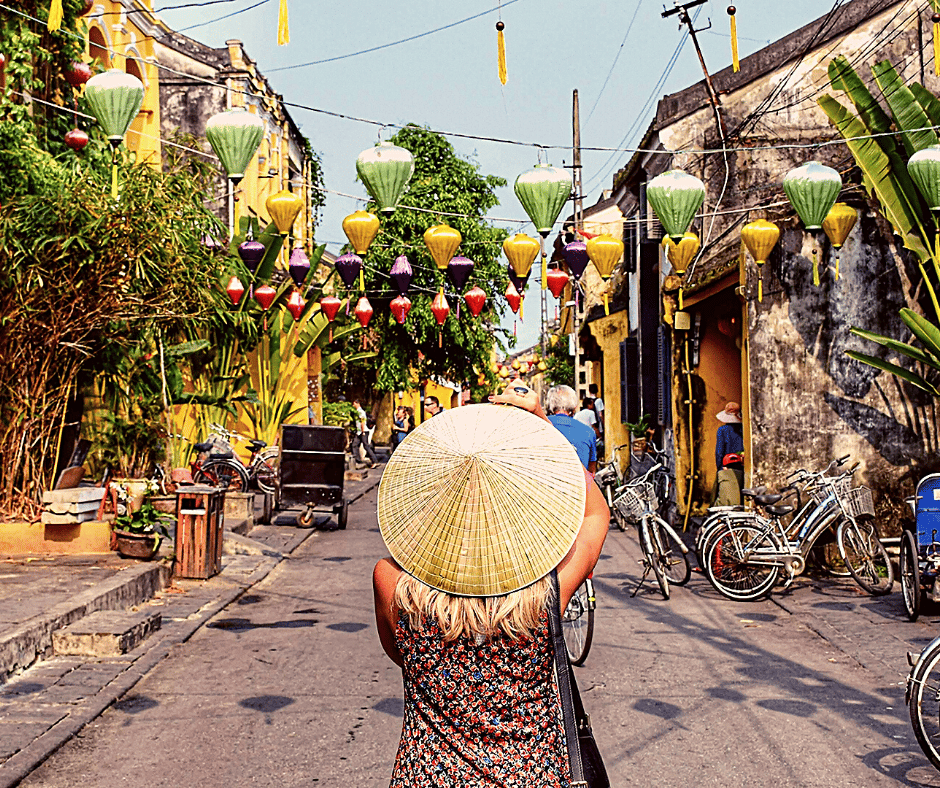 Vietnam for nomadsSome of the fastest internet in Asia, a cost of living that undercuts almost everywhere, and a food culture that ruins you for anywhere else. Vietnam is one of the great nomad bases, and this is how to live and work here in 2026.
 Laos for nomadsLaos has no nomad visa and thin infrastructure, but some of the slowest, most beautiful living in Asia. How nomads make it work in Vientiane and Luang Prabang in 2026: verified visa rules, real costs, and the safety and healthcare points to plan around.
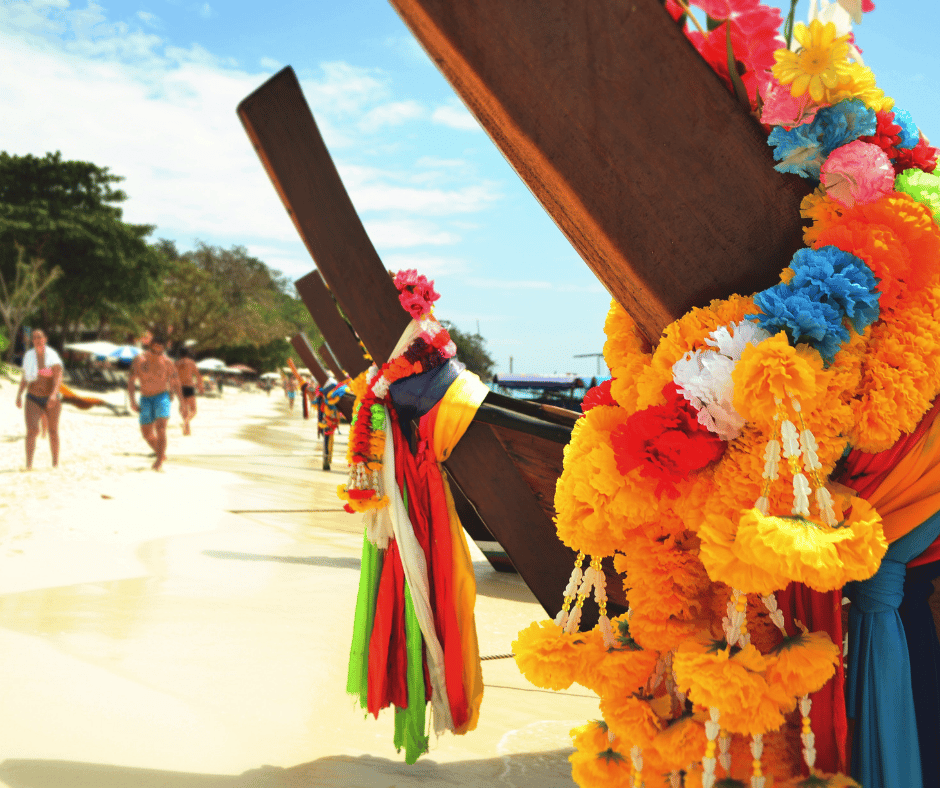 Thailand for nomadsThe original digital nomad country, and still one of the best. Bangkok's energy, Chiang Mai's community, and islands for every mood, plus a five-year visa that changed the game. Here is how to live and work in Thailand in 2026.